‘More pressure than the president’: Ancelotti sets out to end Brazil’s World Cup drought – The Guardian
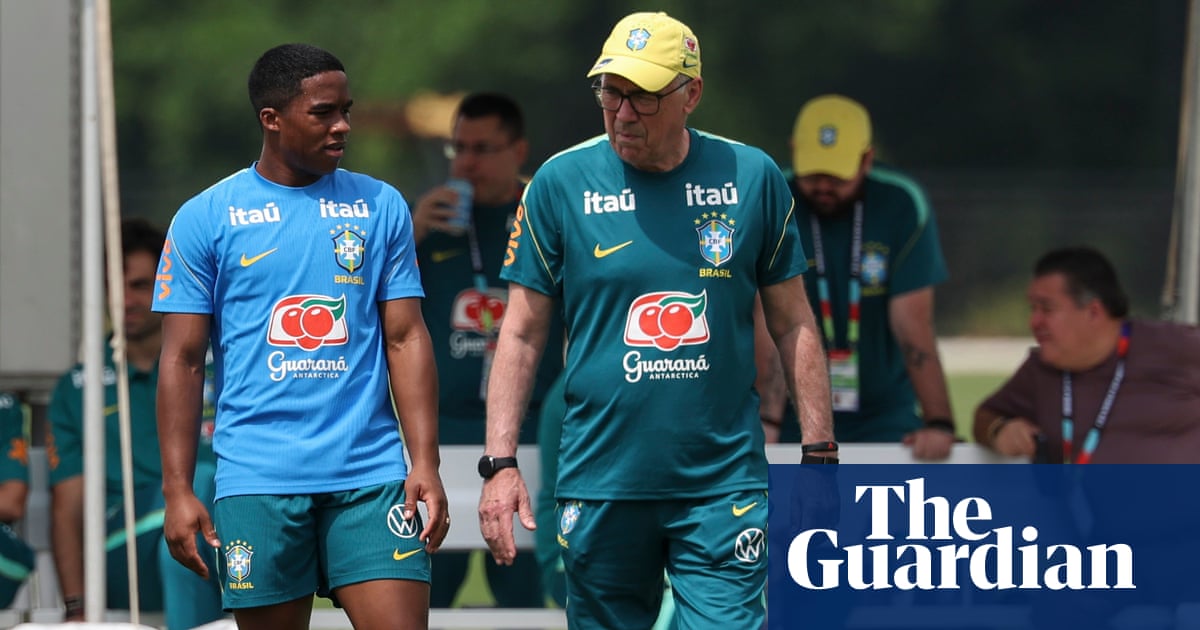
Carlo Ancelotti has assumed the management of the Brazil national team under a level of expectation he describes as exceeding that of a national president, according to reports from The Guardian. The veteran coach enters the role with the explicit objective of ending Brazil’s drought of World Cup titles, bringing a track record of European success to a squad seeking to reclaim global dominance ahead of the 2026 tournament.
Why Carlo Ancelotti Describes Brazil’s Pressure as “More Than the President”
The appointment of Carlo Ancelotti comes at a time of intense scrutiny for the Seleção. According to The Guardian, Ancelotti has acknowledged the unique weight of leading the most successful nation in World Cup history, noting that the pressure to deliver a trophy is more acute than the burdens faced by a head of state. This sentiment reflects the cultural significance of football in Brazil, where a World Cup victory is often viewed as a matter of national identity rather than just a sporting achievement.
Brazil has not won a World Cup since 2002. This two-decade gap has created a climate of desperation and high demand from fans and media alike. Ancelotti’s admission suggests he is aware that in Brazil, the manager is not merely a coach but a public figure held accountable for the emotional well-being of millions. By comparing the role to a presidency, Ancelotti highlights the political and social dimensions of the job.
The pressure stems from several factors:
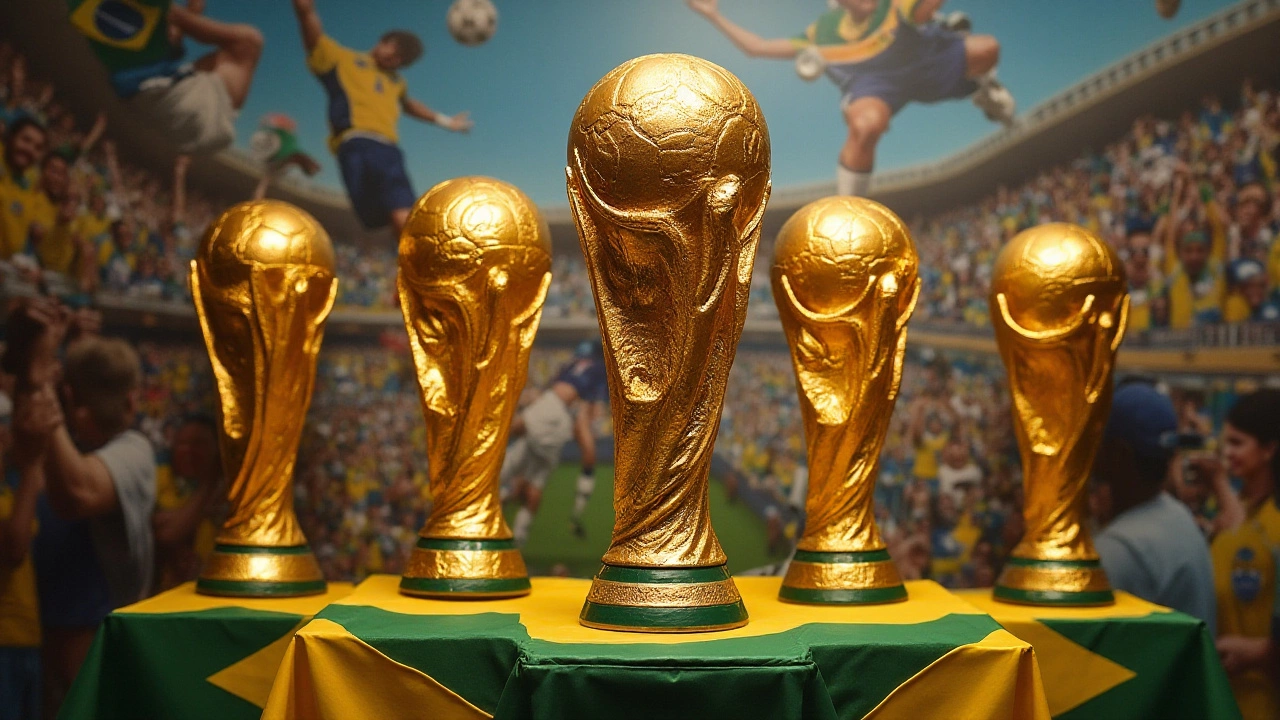
- Historical Legacy: As the only nation to win five World Cups, Brazil is expected to win every tournament they enter.
- The 20-Year Gap: The absence of a trophy since the 2002 victory in Korea/Japan has intensified the urgency.
- Competitive Shift: The rise of organized tactical systems in Europe has challenged the traditional Brazilian style of “joga bonito.”
Ancelotti’s approach to this pressure appears to be rooted in his experience with high-stakes environments at clubs like Real Madrid and AC Milan. His history of managing “Galacticos” and superstar egos provides a blueprint for handling the immense expectations surrounding the Brazilian national team.
How Alisson Becker and Cafu View Ancelotti’s Leadership
The arrival of Ancelotti has been met with visible optimism from within the squad and among former legends. Alisson Becker, Brazil’s primary goalkeeper, expressed joy over the appointment, with EDP24 reporting that the player views Ancelotti as a “true winner.” For Becker and his teammates, the presence of a manager who has consistently won the UEFA Champions League provides a psychological boost and a tangible sense of confidence.

Former captain and legendary defender Cafu has also weighed in on the appointment. According to Football Italia, Cafu believes Ancelotti brings two critical elements to the team: serenity and leadership. Cafu suggests that these traits are exactly what the Brazilian side has lacked in recent tournament exits. The former World Cup winner posits that Ancelotti’s calm demeanor can stabilize a squad that often struggles with the mental burden of being favorites.
“Ancelotti brings serenity and leadership; Brazil can reach the semi-finals,” Cafu stated, according to Football Italia.
The contrast between the “pressure” Ancelotti feels and the “serenity” Cafu identifies is a key dynamic of this new era. While the external pressure remains immense, the internal environment is expected to shift toward a more composed, professional approach guided by Ancelotti’s leadership style.
The Strategic Path to the 2026 World Cup
With the 2026 World Cup set to take place across the United States, Canada, and Mexico, Ancelotti has a clear window to reshape the squad. FourFourTwo has characterized Ancelotti as the best manager heading into the 2026 tournament, suggesting his tactical flexibility and man-management skills make him the ideal candidate to navigate a North American campaign. The outlet even referred to him as a potential “Don of New Jersey” come July 2026, referencing the likelihood of key matches being played in the U.S. East Coast.
Ancelotti’s strategy is expected to focus on blending Brazil’s natural attacking flair with the rigid tactical discipline he perfected in Europe. The challenge lies in integrating a generation of talent—including stars from the Premier League and La Liga—into a cohesive unit that does not panic under pressure.
| Stakeholder | Perspective on Ancelotti | Key Expected Contribution |
|---|---|---|
| Carlo Ancelotti | Acknowledges extreme pressure | Ending the World Cup drought |
| Alisson Becker | Joyful and optimistic | A “winning” mentality in the dressing room |
| Cafu | Believes in his leadership | Serenity and tactical stability |
| FourFourTwo | Views him as the best 2026 manager | Expertise in high-pressure tournaments |
Overcoming the “Favorites” Label
A recurring theme in Brazil’s recent struggles has been the psychological weight of being tipped as favorites. Alisson Becker has addressed this directly. According to Reuters, the goalkeeper believes there is no inherent advantage for teams tipped as World Cup favorites. This perspective suggests a shift in the squad’s mentality—moving away from the assumption of victory and toward a more pragmatic, competitive mindset.
Ancelotti’s role will be to reinforce this mindset. By treating the tournament as a challenge to be won rather than a destiny to be fulfilled, he can potentially shield his players from the very pressure he described as being “more than the president.”
Why Ancelotti’s Pedigree Matters for Brazil
To understand why Ancelotti’s appointment is viewed as a turning point, one must look at his history of success. Unlike previous Brazil managers who were often domestic coaches or specialists in a specific style, Ancelotti is a globalist. He is the only manager to have won league titles in all of Europe’s top five leagues.
This versatility is crucial for Brazil for several reasons:
- Adaptability: Ancelotti does not force a single philosophy on his players; he adapts his tactics to the strengths of the squad. This is vital for a Brazilian team with a diverse array of attacking talents.
- Elite Man-Management: Managing the egos of a national team is similar to managing a club of superstars. Ancelotti’s reputation for creating a harmonious dressing room is a primary asset.
- Tournament Experience: His success in the Champions League—the most grueling club competition in the world—translates well to the knockout format of the World Cup.
The contrast between Ancelotti and recent Brazil managers is stark. While previous regimes often struggled to balance traditional Brazilian creativity with modern defensive requirements, Ancelotti has spent decades perfecting this balance at the highest level of club football.
Comparison of Perspectives: The Internal vs. External View
There is a notable difference in how various sources frame Ancelotti’s arrival. The Guardian focuses on the burden of the role, emphasizing the “pressure” and the weight of the drought. In contrast, players like Alisson Becker and legends like Cafu focus on the solution, emphasizing “joy” and “serenity.”
This dichotomy illustrates the two sides of the Brazil national team: the external world sees a nation under pressure, while the internal camp sees a long-awaited opportunity for stability. Ancelotti sits at the center of these two forces, tasked with converting external pressure into internal motivation.
The Implications for the 2026 World Cup
The appointment of Ancelotti sends a signal to the rest of the footballing world that Brazil is prioritizing experience and winning pedigree over experimental tactics. The goal is not just to participate or reach the quarter-finals, but to secure the trophy. According to Cafu, the baseline expectation under Ancelotti should be reaching at least the semi-finals, though the ultimate objective remains the final.
Potential challenges that Ancelotti must address include:
- Squad Integration: Harmonizing players from different leagues and tactical backgrounds.
- Defensive Solidity: Improving a backline that has occasionally been vulnerable in high-stakes matches.
- Tactical Evolution: Ensuring Brazil can compete with the high-pressing, data-driven systems currently dominating European football.
If Ancelotti can successfully implement the “serenity” that Cafu describes, Brazil may find themselves in their strongest position since 2002. The combination of world-class talent and a manager who is unfazed by the largest stages in the sport creates a formidable threat for the 2026 tournament.
For more on how the team is evolving, readers may find a related explainer on Brazil’s tactical shifts useful.
Frequently Asked Questions
Why is Carlo Ancelotti’s appointment significant for Brazil?
Ancelotti is one of the most successful managers in football history, having won league titles in all five of Europe’s top leagues and multiple Champions League trophies. His appointment is seen as a move to bring “winning” experience and tactical serenity to a team that has not won a World Cup since 2002.
What did Ancelotti mean by “more pressure than the president”?
According to The Guardian, Ancelotti used this comparison to describe the immense social and cultural weight of managing the Brazil national team. In Brazil, football success is tied to national pride, making the manager’s role subject to a level of public scrutiny that rivals the highest political offices.
What is the goal for Brazil in the 2026 World Cup?
The primary goal is to end the World Cup drought. While legends like Cafu believe the team can realistically reach the semi-finals, the overarching objective under Ancelotti is to win the tournament.
How do the players feel about Ancelotti taking over?
Reports from EDP24 indicate that players, including goalkeeper Alisson Becker, are joyful about the appointment. They view Ancelotti as a “true winner” whose presence provides confidence and leadership to the squad.
Does being a “favorite” help Brazil in the World Cup?
According to Alisson Becker in a Reuters interview, there is no specific advantage to being tipped as a favorite. This suggests the squad is adopting a more pragmatic approach to the tournament, focusing on performance rather than expectations.
As the 2026 World Cup approaches, the focus will remain on whether Ancelotti’s European success can be translated into a global triumph for the Seleção. The world will be watching to see if the “Don” can indeed handle the pressure that exceeds that of a presidency and deliver the trophy back to Brazil.
