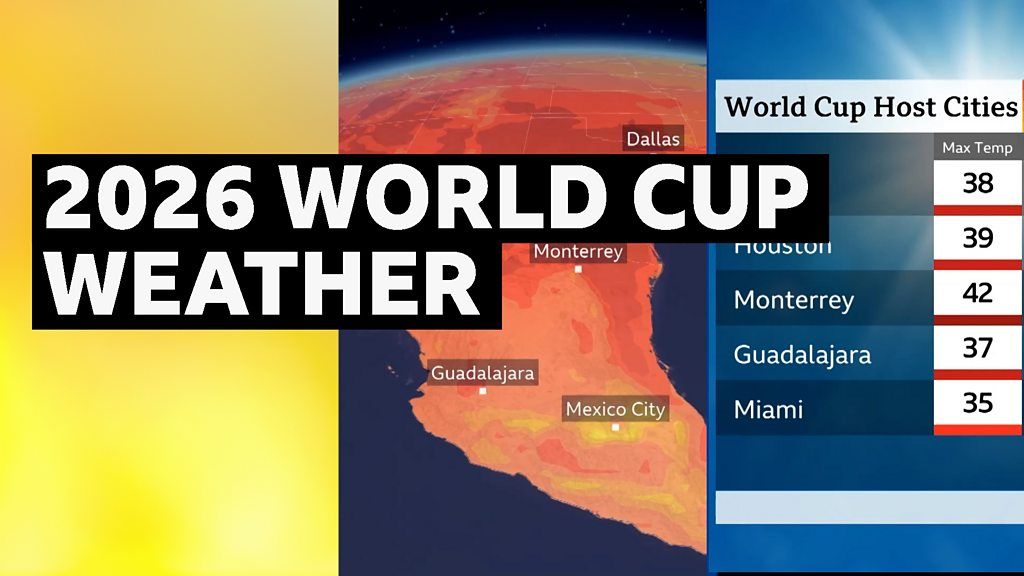
The 2026 FIFA World Cup, set to be the most environmentally impactful tournament in history, faces scrutiny over projected emissions and weather-related challenges, according to multiple reports. Organizers have acknowledged the event will generate nearly 8 million tonnes of carbon dioxide, a record for a global sporting event, while Florida’s extreme weather conditions could disrupt matches with frequent thunderstorms.
Environmental Concerns Amidst the World Cup
Official projections reveal the 2026 World Cup will produce approximately 7.9 million tonnes of CO₂, surpassing all previous editions. This figure includes emissions from travel, stadium operations, and infrastructure development, according to data cited by L’Équipe and Le Monde.fr. The scale of the carbon footprint has sparked debate about the sustainability of large-scale sporting events, with critics highlighting the contradiction between global climate goals and the tournament’s environmental impact.

“We will be on a record level,” a spokesperson for the organizing committee stated, emphasizing efforts to offset emissions through reforestation projects and renewable energy investments. However, the magnitude of the figure has drawn comparisons to the 2014 World Cup in Brazil, which generated 3.3 million tonnes of CO₂, according to the International Energy Agency.
Weather Challenges in Florida
Match organizers in the United States face additional hurdles as Florida’s climate could interrupt play. Local media CNews reported that up to 20 thunderstorms per day in the region might force 30-minute delays during matches. This raises concerns about player safety and schedule flexibility, particularly for teams unaccustomed to such extreme conditions.
“The frequency of storms in Florida is unprecedented for a major tournament,” said a meteorologist with the National Weather Service, citing data from the National Oceanic and Atmospheric Administration. The U.S. Soccer Federation has since confirmed contingency plans to adjust match times and ensure adequate shelter for spectators and athletes.
Canada’s Potential Advantage
Despite the challenges, the Canadian team may benefit from the tournament’s logistical setup. Foot Mercato noted that Canada’s climate and travel routes could provide a less fatiguing environment compared to other participating nations. This potential edge comes amid speculation about the physical demands of hosting the event across three countries—Canada, the U.S., and Mexico.
“The team’s preparation in similar weather conditions could give them a competitive edge,” said a sports science analyst, referencing Canada’s recent performances in high-altitude and variable-temperature environments. However, the impact of the weather on player performance remains a subject of debate among coaches and officials.
The tournament’s environmental and logistical challenges underscore the growing tension between global sporting events and sustainability goals. As the countdown to 2026 begins, stakeholders will closely monitor how organizers balance these issues with the excitement of the world’s most popular sporting spectacle.
