
Up to 40% of prostate cancer cases in Colombia are diagnosed only after the disease has metastasized, according to reports from EL TIEMPO. Health officials warn that waiting for physical symptoms to appear can be fatal, as the most common tumor affecting men often remains asymptomatic in its early, treatable stages.
Why Asymptomatic Growth Increases Mortality
The absence of early warning signs contributes significantly to late-stage diagnoses. According to Infobae, prostate cancer is the tumor that most affects men, yet it typically does not produce symptoms during its initial phases. This “silent” progression often leads patients to delay medical consultations until the cancer has spread to other organs.
In Colombia, this delay has measurable consequences. Reports from EL TIEMPO indicate that nearly four out of ten patients are diagnosed only when metastasis is already present, a stage where treatment is significantly more complex and survival rates drop. Public health guidance from La Patria emphasizes that early diagnosis is the primary factor in saving lives, as the disease is highly manageable when detected before it leaves the prostate gland.
What Are the Screening Options Beyond the Rectal Exam?
Fear or discomfort regarding the digital rectal exam (DRE) often acts as a barrier to screening. To address this, BioBioChile reports that there are alternative diagnostic paths available to identify prostate irregularities without relying solely on the tactile exam.
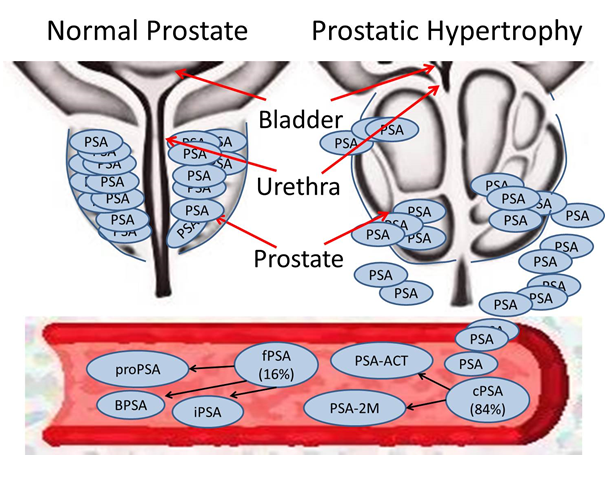
Medical professionals use a combination of tools to assess risk, including the Prostate-Specific Antigen (PSA) blood test. While the DRE remains a standard clinical tool for feeling the size and texture of the gland, these alternatives provide additional layers of screening that can encourage men to seek help earlier.
How Misinformation Hinders Early Detection
Psychological barriers and medical myths further complicate screening efforts. According to efesalud.com, several common hoaxes and misconceptions persist regarding prostate cancer, which can discourage men from undergoing routine checkups or lead them to believe that the disease only affects the very elderly.

By debunking these myths, health authorities aim to shift the narrative from fear of the diagnostic process to the necessity of prevention. The contrast is stark: while some patients avoid screening due to the perceived invasiveness of the exam, the result of that avoidance is often a diagnosis of metastatic cancer, which requires far more aggressive and invasive interventions.
Summary of Diagnostic Risks and Benefits
- The Risk of Waiting: According to EL TIEMPO, waiting for symptoms to appear is linked to a 40% metastasis rate in Colombian cases.
- The Nature of the Disease: Infobae notes the tumor is frequently asymptomatic, making routine screening the only reliable detection method.
- The Solution: La Patria and BioBioChile highlight that early detection and the use of diverse diagnostic tools—including alternatives to the rectal exam—are critical for improving survival outcomes.
