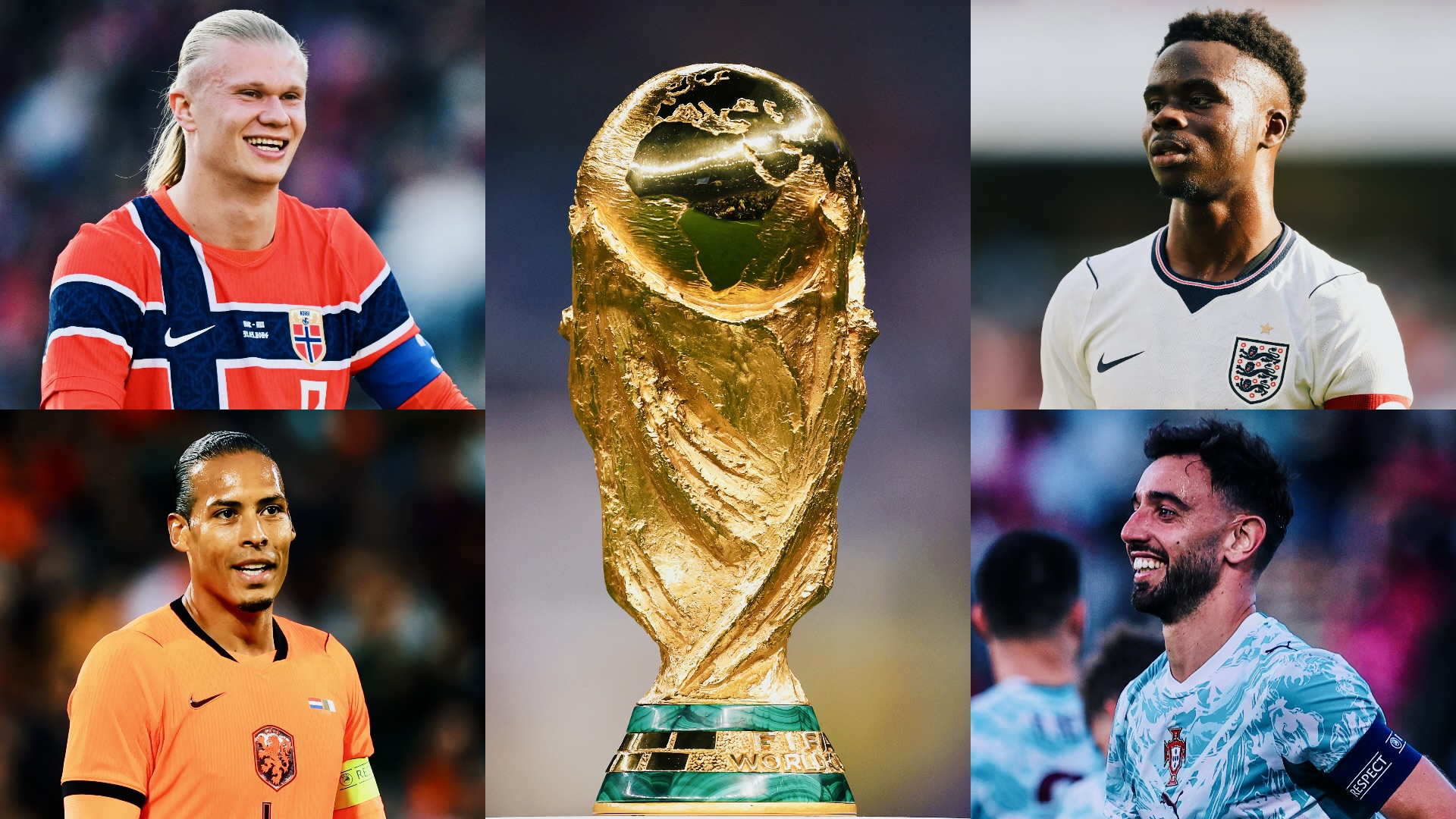
FIFA World Cup 2026: What Premier League fans should look out for – Premier League
The 2026 FIFA World Cup will feature an expanded 48-team format hosted across the United States, Canada, and Mexico, significantly increasing the number of matches and the physical demand on Premier League players. According to reports from The Telegraph and the London Evening Standard, the tournament’s scale will test squad depth and tactical flexibility, as star players from the world’s most-watched league face a more grueling schedule than in previous editions.
How the Expanded 48-Team Format Impacts Premier League Squads
The shift from 32 to 48 teams is the most significant structural change in the tournament’s modern history. For Premier League fans, this expansion translates directly to more minutes played by their club’s assets. According to FIFA tournament guidelines, the increased number of participants necessitates more group-stage matches and an additional knockout round.
This expanded schedule increases the risk of burnout and injury for players who already compete in a high-intensity Premier League season. The London Evening Standard notes that confirmed squad lists are being scrutinized not just for talent, but for the ability of players to sustain peak performance over a longer tournament window. Managers in the Premier League will likely face intensified pressure to rotate squads in the months leading up to the summer tournament to ensure their key players arrive in North America without fatigue.
- Increased Match Volume: More games mean a higher probability of muscle injuries and fatigue-related errors.
- Squad Depth Requirements: National teams will require larger, more versatile rosters to manage the load.
- Travel Logistics: The vast geography of the US, Canada, and Mexico adds travel stress that didn’t exist in smaller host nations.
The logistical burden is a primary concern for club directors. A player traveling from a West Coast city in the US to a venue in Mexico within a short window faces recovery challenges that could bleed into the following Premier League season.
Which Star Players Will Define the 2026 Tournament?
While the tournament features global talent, the focus for many fans remains on a handful of elite individuals who dominate headlines. TRT Afrika identifies several key figures expected to shine, including Kylian Mbappé, Lionel Messi, Cristiano Ronaldo, Ousmane Dembélé, and Arda Güler.

For Premier League fans, the performance of these players is a benchmark for the league’s own stars. Mbappé and Dembélé represent the gold standard of explosive wing play that Premier League scouts and managers attempt to replicate. The inclusion of younger talents like Arda Güler signals a shift toward technical, creative midfielders who can unlock rigid defenses—a style currently trending in the tactical evolution of the Premier League.
“The 2026 tournament will be a collision of established legends and a new generation of technical maestros who are redefining the modern game,” according to analysis from TRT Afrika.
The presence of veterans like Messi and Ronaldo adds a narrative of longevity. While they may not play every minute of every game, their influence on team structure and the psychological state of their squads remains a focal point for analysts. Premier League fans will be watching to see if the physical demands of the 48-team format favor the younger, more athletic profiles over the seasoned brilliance of the older guard.
Squad Analysis: Styles and Chances of Success
The Telegraph has dissected potential squads, styles, and the overall chances of success for the top contenders. A recurring theme is the clash between “system-based” football and “star-dependent” football. Many Premier League teams have moved toward highly structured, positional play, and this trend is migrating to national teams.
Teams that mirror the high-pressing, fast-transition styles seen in the Premier League are predicted to have a higher ceiling in 2026. According to The Telegraph, squads that can maintain a high intensity for 90 minutes while remaining tactically disciplined are more likely to survive the expanded knockout stages.
| Tactical Style | Key Characteristics | Premier League Parallel | Projected Success Rate |
|---|---|---|---|
| High-Pressing | Aggressive ball recovery, verticality | Liverpool / Man City | High (Early Stages) |
| Positional Play | Patient build-up, numerical superiority | Arsenal / Man City | Very High (Knockouts) |
| Counter-Attacking | Low block, explosive transitions | Aston Villa / Newcastle | Moderate (Underdogs) |
The analysis suggests that national teams with a high concentration of Premier League players may have an advantage in terms of familiarity with high-tempo football. However, the challenge lies in integrating these players into a cohesive national unit within a limited preparation window.
The Battle for Squad Places: Confirmed and Projected Rosters
Competition for a spot in the 2026 squads is reaching a fever pitch. The London Evening Standard reports that confirmed squad lists are becoming more fluid as managers prioritize current form over historical reputation. This puts Premier League players under a microscope; a dip in form during the winter months could result in the loss of a starting role on the international stage.
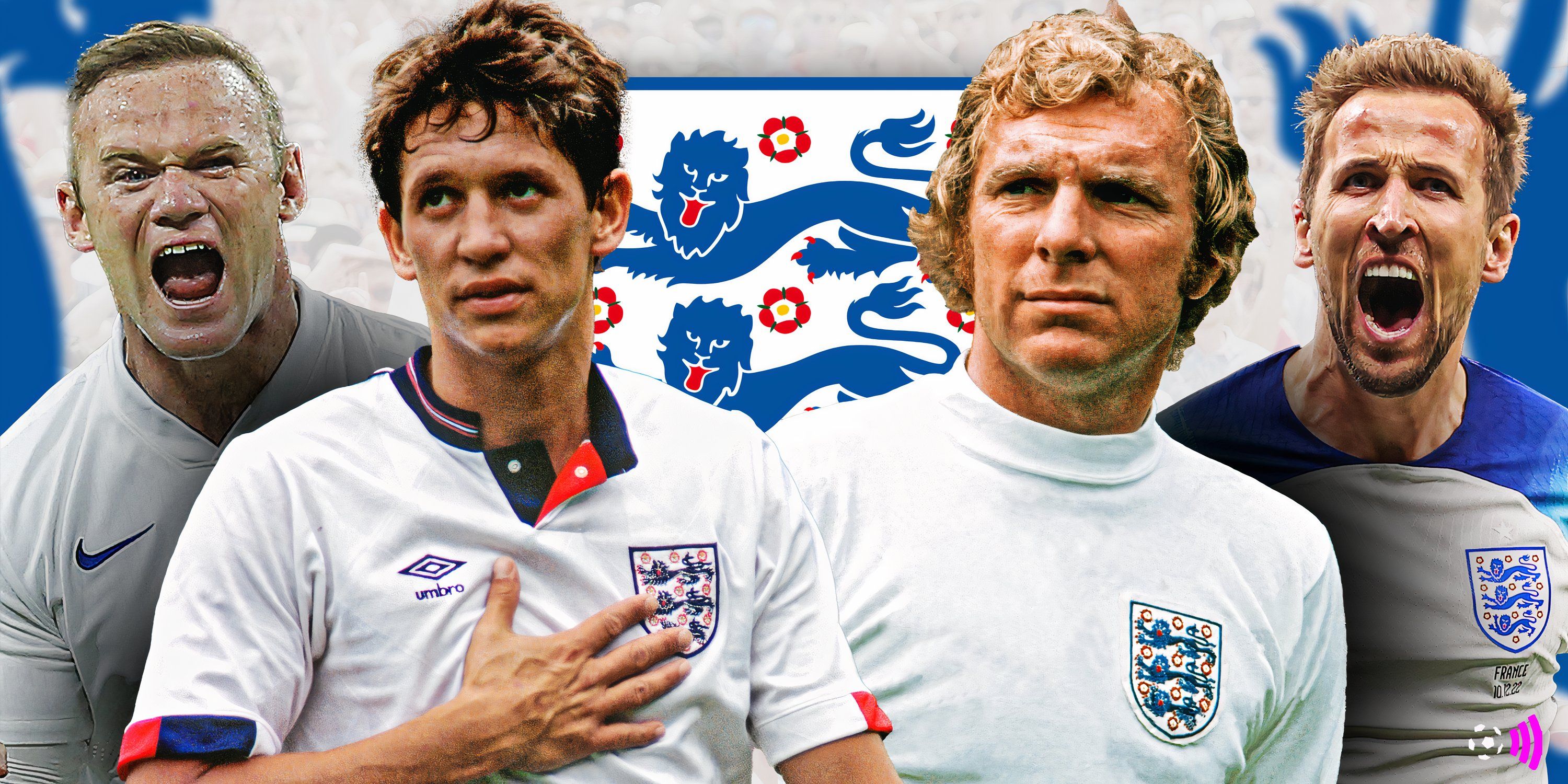
For English fans, the focus is on the depth of the national pool. With so many English players starting for top-six Premier League clubs, the selection process is no longer about finding the best players, but about finding the best combination of players. This “puzzle-piece” approach to squad building is a direct result of the tactical sophistication seen in the domestic league.
Key areas of competition include:
- The Full-back Slot: The evolution of the “inverted full-back” in the Premier League has changed what national managers look for.
- The Number 6 Role: The demand for midfielders who can both disrupt and distribute is higher than ever.
- The Clinical Finisher: Despite the abundance of talent, a reliable, world-class number nine remains the most sought-after asset.
Tactical Shifts: National Team Styles vs. Premier League Play
There is often a friction between how a player performs for their club and how they are utilized for their country. BBC News Hausa highlights that statistics and game data from various leagues show a divergence in player roles during international tournaments. A player who is a creative hub in the Premier League may be asked to play a more defensive, disciplined role for their national team.
This role conflict can lead to inconsistent performances. Premier League fans should look for players who struggle to adapt to these shifted responsibilities. Conversely, players who can seamlessly transition between a club’s tactical system and a national team’s philosophy often become the tournament’s breakout stars.
The 2026 tournament will likely see a rise in “hybrid” players—those capable of playing multiple positions. Because of the expanded format and the risk of injury, managers will value versatility over specialization. A winger who can slot in at left-back or a midfielder who can play as a false nine will be invaluable.
Common Misconceptions About the 2026 World Cup
Several misconceptions have surfaced regarding the 2026 tournament that Premier League fans should clarify to better understand the stakes.
Misconception 1: More teams mean lower quality. While adding 16 teams increases the number of lower-ranked nations, the top-tier competition remains unchanged. The expanded format actually provides more data on emerging markets, which could lead to the discovery of new talents for Premier League clubs.
Misconception 2: The US, Canada, and Mexico are just “venues.” The hosting environment will play a massive role. The climate variations between Mexico City’s altitude and the humidity of US coastal cities will affect player stamina. This is a variable that doesn’t exist in the controlled environment of the Premier League.
Misconception 3: The “big” teams will breeze through the group stage. With the new format, the probability of “trap games” increases. According to analysis from The Telegraph, the expanded group stage allows smaller nations more opportunities to build momentum and cause upsets, potentially knocking out favorites earlier than expected.
The Financial and Market Implications for Premier League Clubs
The World Cup is not just a sporting event; it is a massive market driver. A standout performance from a relatively unknown player in the 2026 tournament can lead to a skyrocketing transfer valuation. Premier League clubs often use the World Cup as a primary scouting window.
If a player from a mid-tier league performs well under the pressure of the expanded 2026 format, expect a bidding war among Premier League giants. This creates a volatile transfer market in the summer of 2026, where prices for “World Cup stars” are often inflated regardless of their league consistency.
Furthermore, the tournament’s success or failure can impact the market value of established stars. A poor showing from a high-priced Premier League asset on the world stage can lead to questions about their consistency and mental fortitude, potentially affecting their contract negotiations or transfer viability.
Related explainer on how international tournaments impact transfer valuations.
Frequently Asked Questions
How many teams are playing in the 2026 FIFA World Cup?
The 2026 tournament will feature 48 teams, an increase from the 32 teams that competed in previous editions. This expansion allows more nations to qualify and increases the total number of matches played.
Which countries are hosting the 2026 World Cup?
The tournament is being jointly hosted by the United States, Canada, and Mexico, marking the first time three nations have co-hosted the event.

How does the 48-team format affect Premier League players?
Players face a more demanding schedule with more potential matches, increasing the risk of fatigue and injury. This puts additional pressure on Premier League managers to handle squad rotation and recovery more effectively.
Who are the players to watch in the 2026 World Cup?
According to TRT Afrika, key players include Kylian Mbappé, Lionel Messi, Cristiano Ronaldo, Ousmane Dembélé, and Arda Güler, along with the top stars currently competing in the Premier League.
Will the expanded format change the quality of the tournament?
While more teams are involved, the elite competition remains high. The expanded format provides more opportunities for underdog stories and allows Premier League scouts to identify talent from a wider range of nations.
