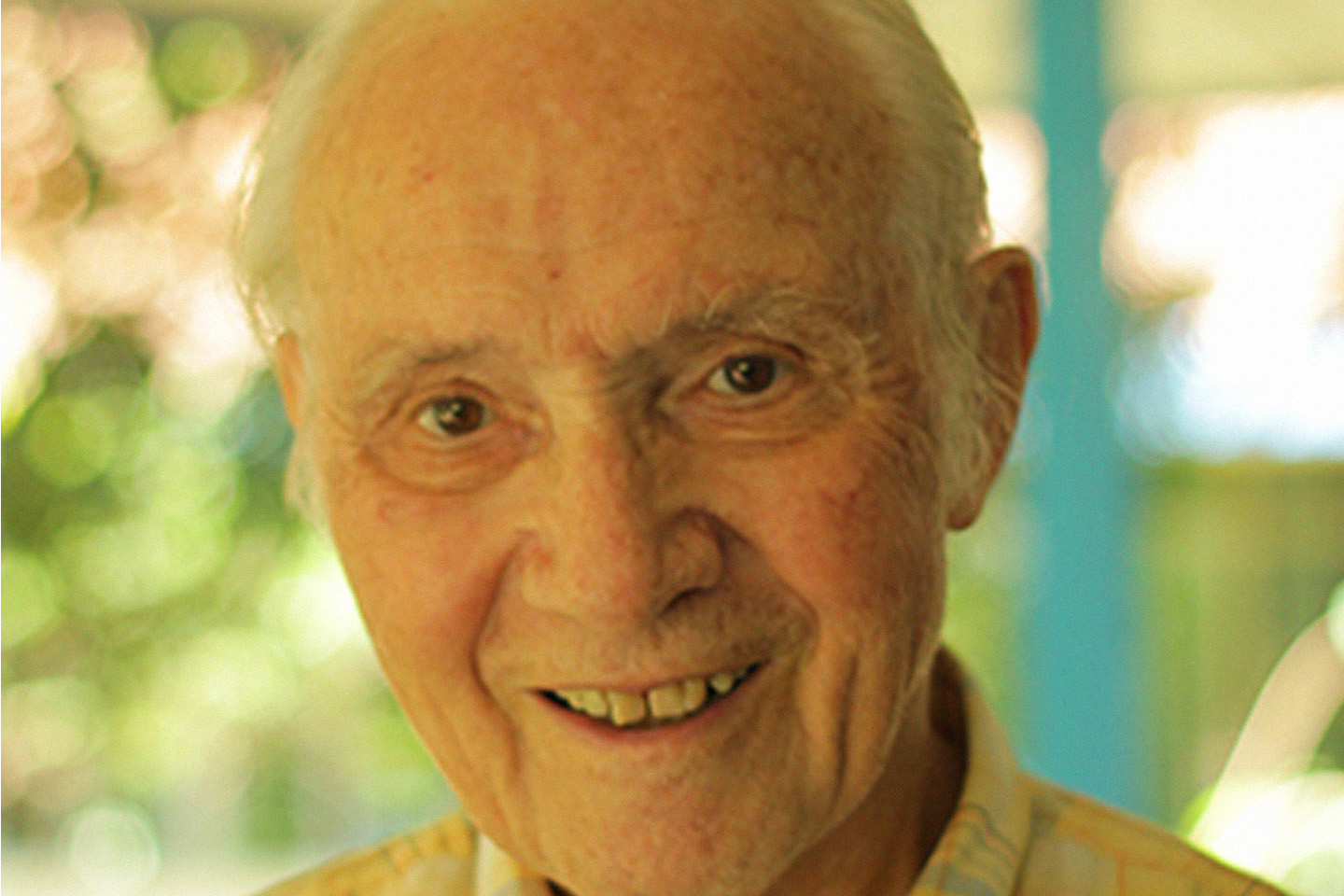
German Priest Who Supported Mary Jane Veloso on Death Row Passes Away at 87
A German priest who provided spiritual guidance to Mary Jane Veloso, a Filipino domestic worker facing execution in Indonesia, has died at the age of 87, according to multiple religious and human rights sources. The priest, whose name has not been publicly disclosed, played a pivotal role in advocating for Veloso during her 16-year incarceration on death row for drug trafficking charges. His passing marks the end of a life dedicated to interfaith diplomacy and humanitarian work in Southeast Asia.
The Life and Ministry of the Priest
The priest’s ministry spanned over five decades, with a significant portion of his work focused on cross-border human rights advocacy. Born in Germany in the 1930s, he joined a religious order in his youth and was later stationed in the Philippines in the 1970s, where he became involved in supporting marginalized communities. His work extended beyond the Philippines, as he frequently traveled to Indonesia to engage with officials and activists addressing the plight of foreign nationals imprisoned in the region.
According to a statement from a Catholic charitable organization based in Manila, the priest was known for his quiet determination and deep empathy. “He believed in the power of dialogue over confrontation,” the statement said. “His efforts often bridged cultural and political divides, offering hope to those in desperate situations.”
While details about his early life remain scarce, his later years were marked by a growing reputation as a mediator between international legal systems and vulnerable individuals. He was frequently called upon to assist in cases involving foreign nationals facing capital punishment, particularly in countries with strict anti-drug laws.
Mary Jane Veloso’s Journey and the Priest’s Role
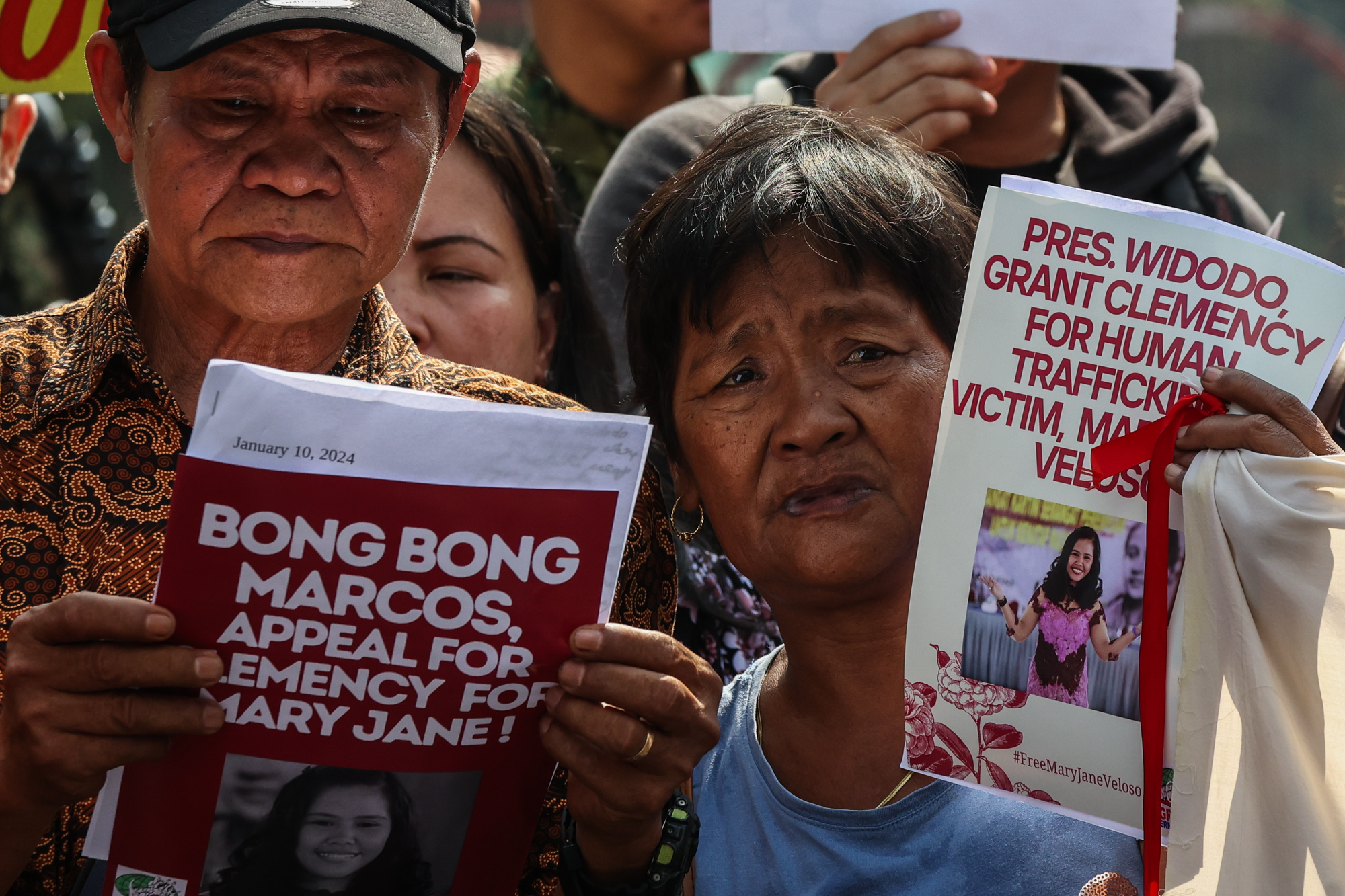
Veloso, a Filipina domestic worker, was arrested in Indonesia in 2008 after being accused of smuggling 3.4 kilograms of heroin. Despite her claims of innocence and the lack of direct evidence linking her to the crime, she was sentenced to death in 2010. Her case became a focal point for international debates over the death penalty and the treatment of foreign laborers in Southeast Asia.

The priest’s involvement began in the early 2010s, when he started visiting Veloso during her time in a Jakarta prison. His visits were described by her legal team as a “source of emotional and spiritual strength.” According to a 2015 report by a human rights group, the priest worked closely with Filipino and Indonesian advocates to challenge the fairness of her trial and push for clemency.
Veloso’s case gained global attention after a 2016 documentary highlighted her story, and the priest was frequently cited as a key figure in her support network. “He was the one who kept the faith alive for her,” said a representative from a Philippine-based advocacy group. “Even when the legal system seemed closed, he reminded her that she was not alone.”
Veloso was ultimately granted a reprieve in 2020 after the Indonesian Supreme Court overturned her conviction on procedural grounds. However, she remained in detention for several more years before being released in 2022. The priest’s influence on her survival was widely acknowledged, with Veloso later expressing gratitude for his “unwavering presence during the darkest days.”
Reactions and Legacy
The priest’s death has prompted an outpouring of tributes from religious leaders, human rights activists, and individuals whose lives intersected with his work. A statement from the Vatican’s diplomatic office praised his “selfless dedication to the dignity of every person, regardless of nationality or legal status.”
Local media in the Philippines highlighted his role in shaping the country’s approach to transnational human rights issues. “He was a pioneer in advocating for the rights of Filipinos abroad,” said a spokesperson for the Philippine Department of Foreign Affairs. “His legacy will continue to inspire efforts to protect vulnerable citizens.”
International observers noted that the priest’s work reflected a broader trend of religious figures engaging in legal and diplomatic efforts. “In an era of increasing nationalism, his ability to foster cross-border solidarity is a rare and valuable contribution,” said a scholar specializing in Southeast Asian politics.
Despite his high-profile advocacy, the priest remained a private individual, rarely granting interviews or seeking public recognition. This discretion, however, did not diminish the impact of his work. “He preferred to act from the shadows, but his influence was profound,” said a colleague who worked alongside him in the 1990s.
The Broader Context of Death Row Cases in Southeast Asia
Veloso’s case is part of a larger pattern of foreign nationals facing capital punishment in Southeast Asia, particularly in Indonesia, where drug-related executions have surged in recent years. According to a 2021 report by the International Commission of Jurists, over 200 foreign nationals were on death row in Indonesia as of 2020, with many alleging that their trials were marred by procedural flaws or coercion.
The priest’s advocacy aligns with a growing movement to reform these systems. Human rights organizations have criticized the lack of due process in many cases, arguing that foreign defendants often face additional barriers due to language, cultural differences, and limited access to legal resources. “The priest’s work underscored the need for greater transparency and fairness in these trials,” said a legal expert specializing in international law.
His efforts also highlighted the role of religious institutions in influencing policy. In several instances, Catholic and Protestant groups have successfully lobbied for clemency
