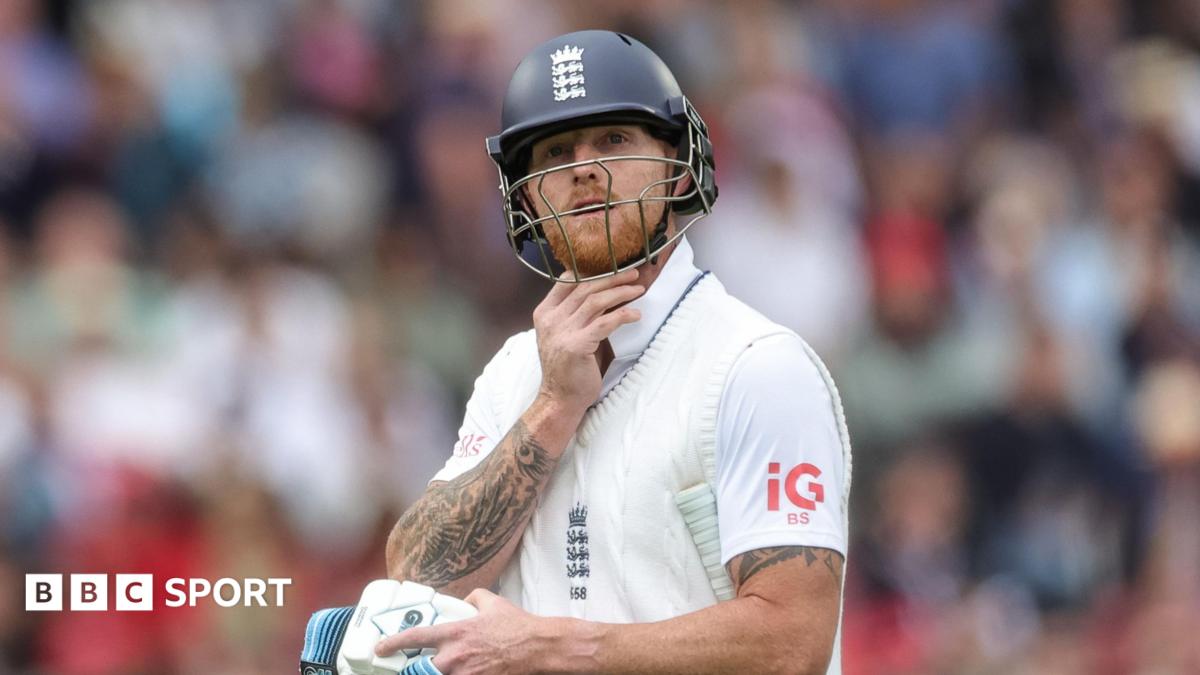
Ben Stokes: England captain’s batting backed by Brendon McCullum – BBC
Brendon McCullum has publicly supported the batting form of England captain Ben Stokes, despite growing scrutiny over a perceived decline in his run-scoring. While critics suggest Stokes’s struggles justify a move down the order to number seven, the England coach maintains confidence in the captain’s capabilities as the team navigates a challenging period of transition.
Why is there a debate over Ben Stokes’s batting position?
The central tension in the current England setup revolves around whether Ben Stokes is still best utilized as a top-order mainstay or if his recent struggles necessitate a lower position in the batting lineup. This debate has intensified as observers note a dip in his productivity with the bat, leading to conflicting views on how to manage his role within the team.
Some analysts argue that the decline in form is significant enough that shifting Stokes to number seven is not just a tactical choice, but a necessary one. According to a report by The Times, the slump in batting performance has been so pronounced that moving him to number seven is described as “almost humane,” suggesting that relieving him of the pressure of the top order could benefit both the player and the team’s overall stability.
However, this tactical shift is not universally accepted. The move to number seven has raised questions about the strategic intent of the leadership. For instance, Mark Butcher, writing for Wisden, expressed confusion over the decision to drop Stokes so low. Butcher pointed to historical precedents of the “great all-rounder” role to highlight the inconsistency in the current approach.
“Botham used to bat No.5 and open the bowling, I don’t understand Stokes moving down to No.7” — Mark Butcher via Wisden.
The core of the disagreement lies in whether Stokes should be treated as a specialist batsman who is currently struggling, or as a genuine all-rounder whose value is not solely tied to his batting position. By moving him to number seven, the team risks underutilizing his talent, but by keeping him higher, they may be exposing a vulnerable batsman to high-pressure situations too early in the innings.
How has Brendon McCullum responded to the criticism?
Despite the external noise and the critical assessments from various media outlets, Brendon McCullum remains a steadfast supporter of his captain. As reported by the BBC, McCullum has backed Stokes’s batting, signaling a unified front between the coach and the captain.
This support is critical because the partnership between McCullum and Stokes is the foundation of England’s current aggressive approach to the game. The coach’s backing suggests a belief that Stokes’s current slump is temporary or that his contribution to the team extends beyond mere statistics. In the high-risk, high-reward environment they have created, the leadership appears willing to weather a period of poor form in exchange for the long-term vision of their tactical philosophy.
The stakes for this support are high. While McCullum’s public backing provides Stokes with a psychological safety net, it also places the coach’s reputation on the line. If the batting decline continues, the decision to maintain the status quo—or the decision to shift positions—will be viewed as a failure of management.
Is the New Zealand series a turning point for the leadership?
While McCullum provides public support, some analysts believe the pressure is reaching a breaking point. There is a growing sense that the grace period for the Stokes-McCullum era may be expiring, with specific series acting as litmus tests for their continued tenure.
According to analysis from ESPNcricinfo, the series against New Zealand is viewed as a potential “final straw” for the partnership between McCullum and Stokes. This perspective suggests that the results of the New Zealand encounters will determine whether the aggressive strategy and the trust in Stokes’s form are sustainable or if a fundamental change in leadership or approach is required.
The implications of the New Zealand series are twofold:
- Validation: A strong performance from Stokes and a series victory would validate McCullum’s trust and silence critics who view the batting decline as terminal.
- Crisis: Continued failure could lead to a crisis of confidence, not just in Stokes’s batting, but in the overarching philosophy adopted by the coaching staff.
This narrative transforms a standard international series into a referendum on the current state of England cricket, where the individual form of the captain is inextricably linked to the survival of the coaching regime.
Comparing the “All-Rounder” Philosophy: Stokes vs. Botham
The debate over Stokes’s position often invokes the ghost of Ian Botham, England’s most iconic all-rounder. The comparison is used to question whether the modern interpretation of the role is hindering Stokes’s effectiveness.
| Perspective | The “Botham Model” (per Wisden) | The “Current Stokes Model” |
|---|---|---|
| Typical Batting Position | Often batted at No. 5 | Discussed as moving to No. 7 |
| Bowling Role | Opened the bowling | Variable/Support role |
| Strategic Logic | High-impact presence in the middle order | Potential relief from top-order pressure |
Mark Butcher’s critique in Wisden highlights a perceived contradiction: if the goal is to maximize the impact of a world-class all-rounder, moving them further down the order seems counterintuitive. In the Botham era, the all-rounder was a primary weapon used early in the batting phase to shift momentum. By contrast, the current discussion about Stokes moving to number seven suggests a defensive posture—protecting the player from failure rather than positioning him to dominate.
This shift in philosophy reflects a broader concern about Stokes’s current state. When the conversation moves from “where can he do the most damage” to “where is it most humane for him to bat,” it indicates a shift from offensive strategy to damage limitation.
Why the general concern for Ben Stokes persists
Beyond the tactical debate of number five versus number seven, there is a deeper, more systemic concern regarding Stokes’s overall well-being and performance trajectory. The Telegraph has explicitly raised concerns about the England captain, framing the issue not just as a dip in form, but as a worrying trend.
Several factors contribute to this anxiety:
- Physical and Mental Toll: The dual burden of captaincy and the physical demands of being a primary all-rounder can lead to burnout.
- Consistency: The gap between Stokes’s peak performances and his current struggle is vast, making the decline feel more precipitous.
- Team Dependency: England’s aggressive style relies heavily on the captain leading by example. If the leader’s form falters, the psychological impact on the rest of the squad can be significant.
The concern is that Stokes may be caught in a cycle where the pressure to perform for the sake of the “Bazball” brand is exacerbating his batting struggles, which in turn increases the pressure.
Frequently Asked Questions
Does Brendon McCullum support Ben Stokes’s current form?
Yes, according to reports from the BBC, Brendon McCullum has backed the batting of England captain Ben Stokes despite external criticism and a perceived decline in his performance.

Why is there a suggestion to move Ben Stokes to number seven?
Some critics, including those cited by The Times, believe Stokes’s batting form has declined to a point where moving him to number seven would be “almost humane,” potentially reducing the pressure on him and allowing the team to restructure its middle order.
How does the Ian Botham comparison factor into the Stokes debate?
Mark Butcher via Wisden argued that Ian Botham typically batted at number five while opening the bowling. This is used as a counter-argument to the idea of moving Stokes down to number seven, suggesting that a premier all-rounder should remain a central part of the top-to-middle order.
What is the significance of the New Zealand series for Stokes and McCullum?
ESPNcricinfo has suggested that the New Zealand series could be the “final straw” for the partnership between Stokes and McCullum, implying that the results of this series may determine the future viability of their current leadership approach.
Who has expressed concern over Ben Stokes’s recent performance?
Multiple outlets have raised flags, including The Telegraph, which expressed general concern about his trajectory, and The Times, which highlighted a significant decline in his batting form.
