
Global Concerns Over Intensifying El Niño as WMO Issues Urgent Climate Alert
As the World Meteorological Organization (WMO) confirms the emergence of an “historically strong” El Niño event, global leaders and climate experts are sounding the alarm over its potential to intensify extreme weather patterns and exacerbate climate-related risks. With temperatures in the tropical Pacific Ocean already 6°C above average, the phenomenon is projected to fuel droughts, heavy rainfall, and heatwaves across multiple regions, according to the WMO’s latest analysis.
Understanding the El Niño Phenomenon
El Niño, a periodic climate pattern characterized by unusually warm ocean temperatures in the central and eastern tropical Pacific, has long been recognized as a major driver of global weather disruptions. This year’s event, however, is being closely monitored due to its potential to rival the intensity of the 2023-24 El Niño, one of the five strongest on record. The WMO’s May 2026 update highlights that there is an 80% probability of El Niño conditions developing between June and August 2026, with a 90% chance of the event persisting through November.
While the WMO has clarified that climate change does not directly increase the frequency or intensity of El Niño events, it does amplify their impacts. Warmer ocean and atmospheric conditions provide additional energy for extreme weather, such as prolonged heatwaves and intense rainfall, which can overwhelm infrastructure and strain vulnerable communities.
Key Predictions and Regional Impacts
The WMO’s El Niño/La Niña Update outlines several critical trends. For the coming months, above-average temperatures are expected nearly everywhere, with the most pronounced effects in the Pacific region. Drought conditions are anticipated to worsen in parts of Africa, South America, and Southeast Asia, while heavy rainfall and flooding risks are heightened in regions like the southern United States, Australia, and parts of South America. Heatwaves are also likely to become more frequent and severe, particularly in already arid areas.
“El Niño is not just a regional concern—it’s a global one,” said WMO Secretary-General Celeste Saulo. “The interconnected nature of modern economies and ecosystems means that impacts will ripple far beyond their origin points, affecting food security, water resources, and public health worldwide.”
Global Response and Preparedness Efforts
In response to the WMO’s warnings, the United Nations has urged countries to strengthen early warning systems and invest in climate resilience. The UN Secretary-General, Antonio Guterres, emphasized that the current El Niño should be treated as a “urgent climate warning,” calling for immediate action to protect vulnerable populations. “The world must act now to mitigate the worst effects of this event,” he stated.

Regional governments and international organizations are already mobilizing resources. The WMO’s “Global Seasonal Climate Update for June-July-August 2026” underscores the importance of advanced forecasts in enabling proactive measures. For example, agricultural sectors in South America are preparing for potential crop failures, while Pacific Island nations are bolstering flood defenses ahead of the wet season.
Scientific Consensus and Uncertainties
Despite the consensus around the likelihood of El Niño conditions, scientists caution that the event’s peak strength and exact timing remain uncertain. Most models suggest it will be at least moderate, with some predicting a strong El Niño. This variability complicates efforts to tailor responses to specific regions, as different areas may face distinct challenges.
“We understand El Niño better than ever before, but the complexity of global climate systems means we must remain adaptable,” said Saulo. “Investing in early warning systems and disaster preparedness is not just a precaution—it’s a necessity.”
Regional Vulnerabilities and Case Studies
Several regions are particularly at risk due to their geographical and economic dependence on climate-sensitive sectors. In Africa, the Greater Horn region is expected to face below-average rainfall, threatening food and water security for millions. Meanwhile, South Asia could see disrupted monsoon patterns, impacting agriculture and livelihoods. The WMO has highlighted the need for cross-border cooperation to address these challenges.
In Latin America, the “State of the Climate in Latin America and the Caribbean 2025” report notes that rising temperatures and erratic precipitation have already strained ecosystems and communities. The region’s vulnerability is compounded by its reliance on natural resources and limited infrastructure to mitigate climate shocks.
Comparative Context: Lessons from Past El Niño Events
Historical data provides a sobering context for the current situation. The 2023-24 El Niño contributed to record global temperatures in 2024, underscoring the potential for similar disruptions this year. However, advancements in climate modeling and international collaboration have improved preparedness. For instance, the WMO’s “Climate Risk and Early Warning Systems initiative” has already received financial support from G7 countries, aiming to expand access to critical climate data and tools.
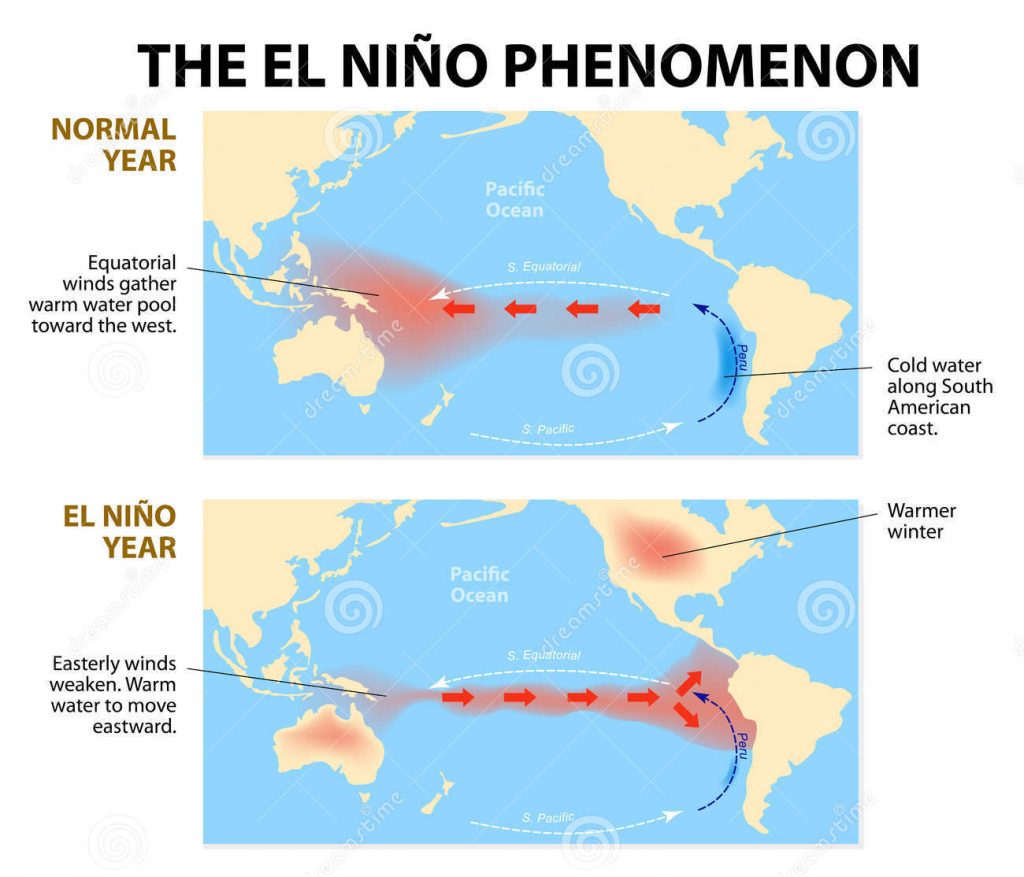
Despite these improvements, the WMO warns that the current El Niño could test the limits of global resilience. “The scale of this event is unprecedented,” said a WMO official. “If we fail to act, the consequences could be catastrophic for the most vulnerable populations.”
Looking Ahead: Key Concerns and Next Steps
As the 2026 El Niño unfolds, several critical questions remain unanswered. How will the event interact with ongoing climate change? What will be the long-term economic and environmental costs? And how can the global community ensure equitable access to resources and support for affected regions?
The WMO has called for sustained investment in climate adaptation and mitigation strategies. This includes expanding weather monitoring networks, improving public education on climate risks, and fostering international partnerships to share knowledge and resources. “The time for action is now,” said Saulo. “We cannot afford to be caught off guard.”
