
Montenegrin authorities barred 87 Serbian men from entering the country via a charter flight to Tivat, citing public security risks just as an EU summit focused on Serbia’s European future commenced.
- Individuals involved: 87 Serbian nationals.
- Location: Tivat, Montenegro.
- Triggering event: EU summit regarding Serbia’s European future.
- Official justification: Public security risks.
Security Risks and Charter Flight Turnaround
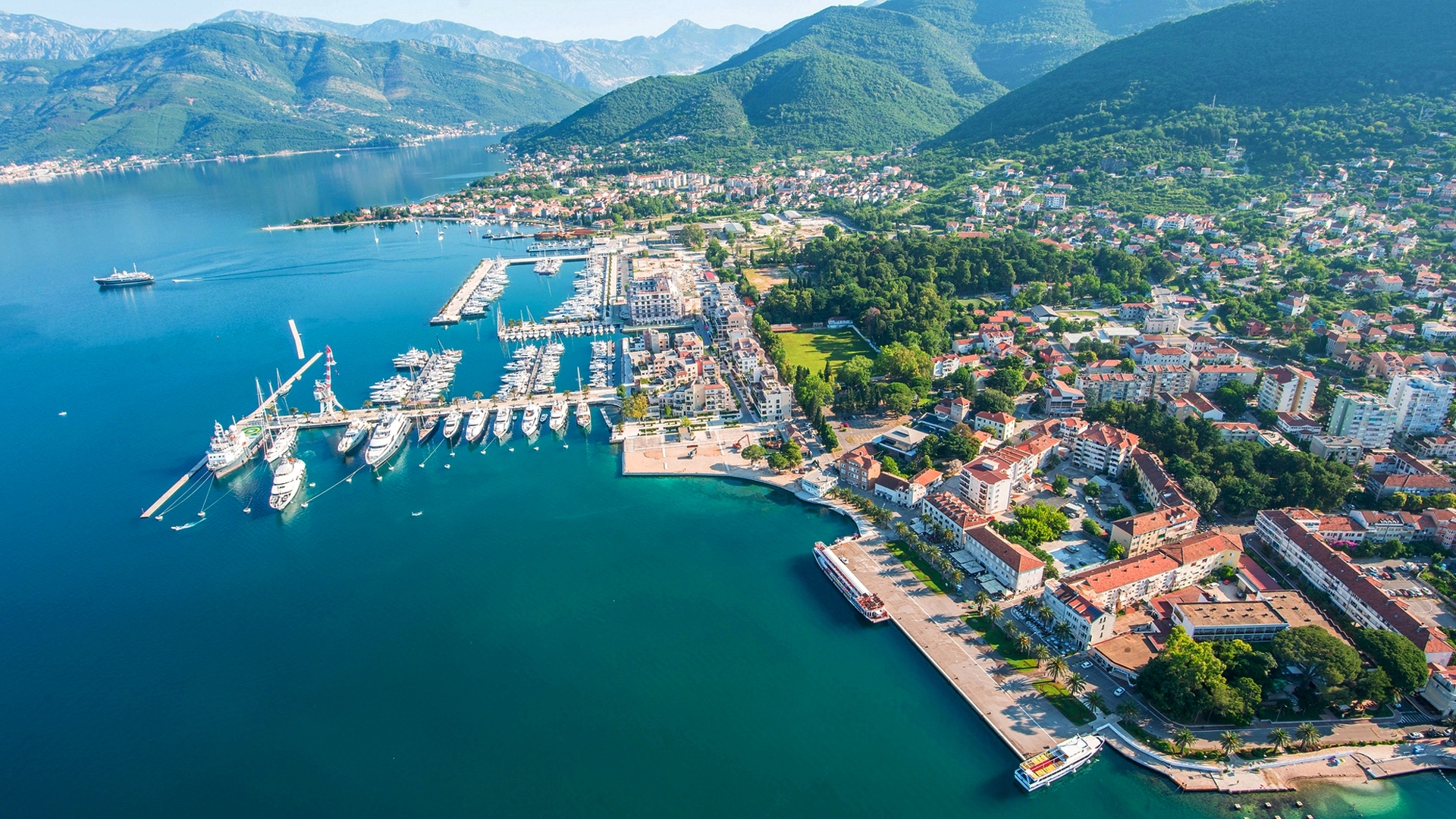
The incident unfolded at the airport in Tivat, where passengers on a charter flight from Serbia were denied entry and subsequently turned back. Montenegrin officials justified the decision by labeling the passengers as “risky from a public security perspective.”
The timing of the move coincided with a high-level regional gathering, adding a layer of diplomatic friction to the summit’s proceedings. Reports indicate that the criminal records of the passengers were a factor in the decision to prevent their entry into the country.
Diplomatic Tensions and the ‘Private Army’ Allegation
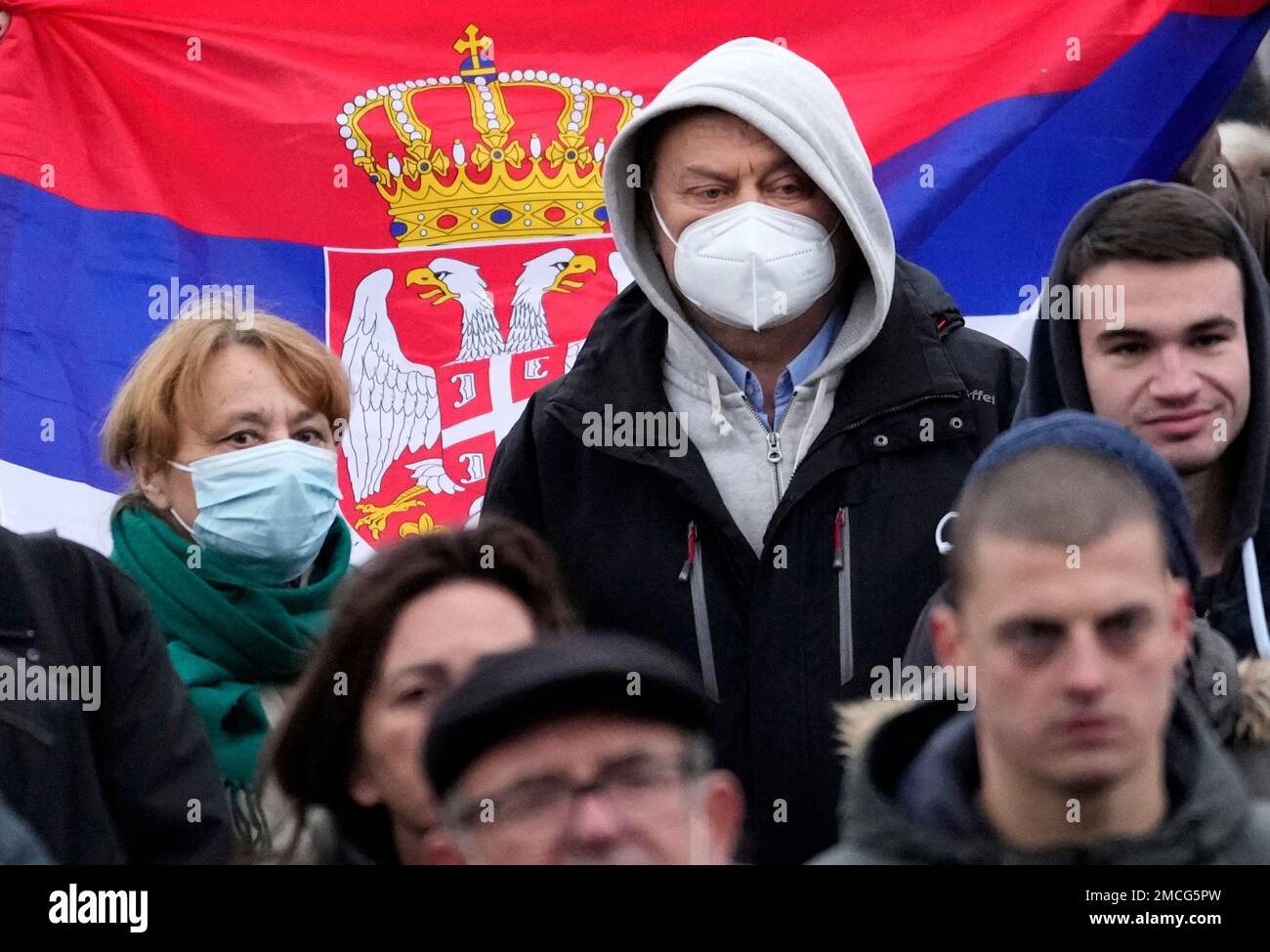
The barred group has been linked to political volatility, with some descriptions characterizing the men as a “private army” for President Vučić. These allegations highlight the internal and regional political tensions surrounding the Serbian leadership’s influence in the Balkans.
The summit in Tivat was convened to discuss Serbia’s European future, a topic of critical importance for regional stability and integration. However, the arrival and subsequent expulsion of the Serbian nationals have cast a shadow over the diplomatic efforts, framing the start of the talks within a context of heightened security and mutual suspicion.
Regional Implications
The confrontation at the border reflects the ongoing complexities of relations between Montenegro and Serbia. By blocking the group, Montenegrin authorities signaled a strict adherence to security protocols ahead of the international summit, even at the risk of straining ties with Belgrade.
As the Tivat summit proceeds, the incident serves as a stark reminder of the security challenges and regional power plays that continue to complicate the Western Balkans’ path toward European integration.
