
The United States is grappling with a critical depletion of strategic military stockpiles, according to recent analyses, as the conflict with Iran has exposed vulnerabilities in its defense supply chain. Reports indicate that missile reserves are particularly strained, with experts warning that full replenishment could take up to three years. The crisis has intensified scrutiny over the nation’s reliance on foreign materials, including tungsten, a key component in advanced weaponry.
Strained Supply Chains and Geopolitical Dependencies
The U.S. Military’s inventory challenges stem from prolonged engagement in the Iran conflict, which has accelerated the consumption of precision-guided munitions and long-range missiles. Analysts highlight that the war effort has outpaced domestic production capabilities, creating a gap that cannot be swiftly closed. This situation has reignited debates about the risks of depending on global supply chains for critical defense resources.
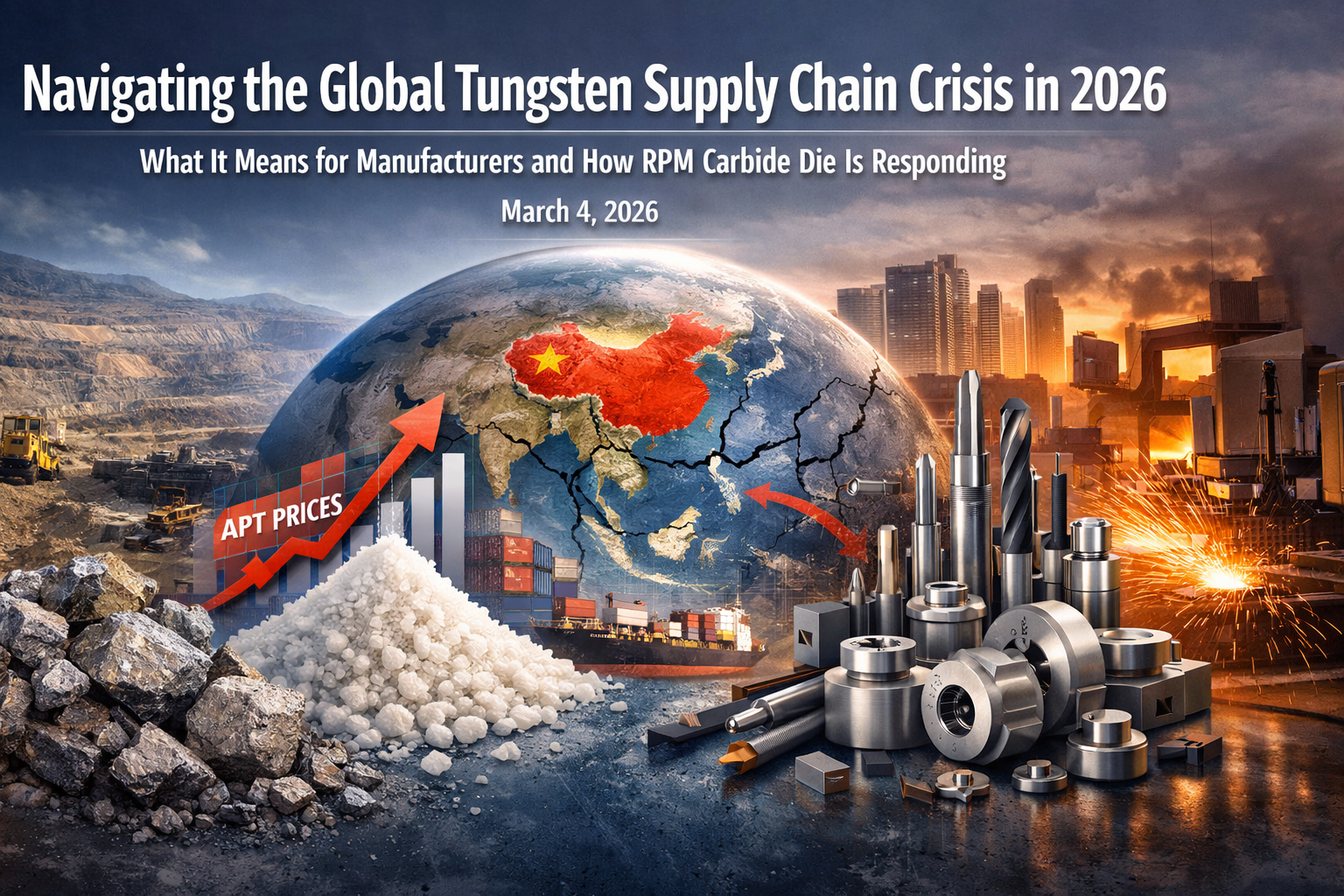
Specifically, the extraction and processing of tungsten—a metal essential for manufacturing durable, high-performance military hardware—have become a point of concern. While the U.S. Has historically sourced tungsten from multiple regions, recent shifts in global trade dynamics have concentrated supply routes through China. This dependency has raised questions about the resilience of American defense manufacturing in the face of geopolitical tensions.
CSIS Analysis: A Three-Year Recovery Timeline
A report by the Center for Strategic and International Studies (CSIS) underscores the scale of the challenge. The analysis states that while the U.S. Maintains sufficient stockpiles to sustain operations under current scenarios, a full restoration of pre-conflict levels would require sustained investment and production over an extended period. The study emphasizes that the timeline is contingent on factors such as industrial capacity, geopolitical stability, and the ability to secure alternative material sources.
“The U.S. Has managed to avoid immediate operational shortfalls, but the long-term implications of this depletion are significant,” the report notes. “Rebuilding strategic reserves will demand coordinated efforts across defense, industry, and policy sectors.”
Broader Implications for Defense Policy
The crisis has prompted calls for reevaluating defense procurement strategies. Military experts argue that the conflict with Iran has served as a stress test for U.S. Supply chain vulnerabilities, revealing the need for greater domestic production of critical materials. This includes investments in rare earth metals and alternative alloys to reduce reliance on foreign suppliers.
At the same time, the situation has underscored the interconnectedness of global defense economies. The U.S. Military’s ability to project power hinges not only on its technological superiority but also on the stability of international trade networks. Any disruption in these networks—whether due to geopolitical conflicts or economic shifts—could have cascading effects on military readiness.
As the U.S. Navigates this challenge, the focus remains on balancing immediate operational needs with long-term strategic planning. The path to recovery will likely involve a combination of increased domestic production, strategic partnerships, and reforms to defense acquisition policies.
