
Mars MAVEN Spacecraft Declared Dead After Months of Silence: What You Need to Know
After years of orbiting Mars and collecting critical data about the planet’s atmosphere, NASA has officially declared the MAVEN spacecraft inoperable following an extended period of communication loss. The decision marks the end of a groundbreaking mission that reshaped humanity’s understanding of the Red Planet.
The Final Chapter of a Pioneering Mission
Launched in 2013, the Mars Atmosphere and Volatile Evolution (MAVEN) mission was designed to study the upper atmosphere of Mars and how it interacts with the solar wind. Over its operational lifespan, MAVEN provided scientists with unprecedented insights into the planet’s climate history and the processes that may have led to the loss of its early atmosphere.
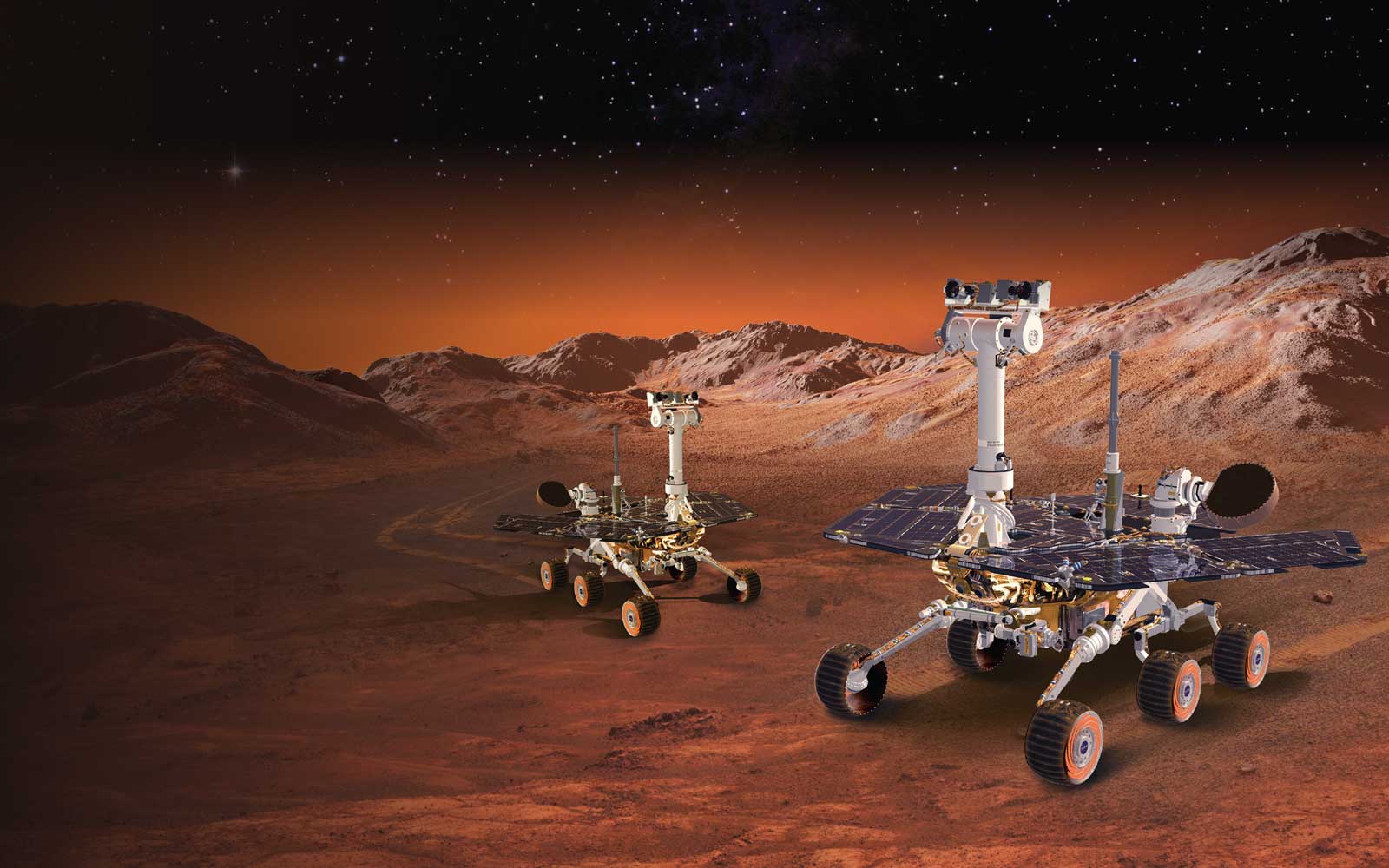
The spacecraft’s silence began six months ago, when contact was lost during a routine communication window. Despite multiple attempts to reestablish contact, no signals were detected. NASA officials confirmed the mission’s end in a recent statement, acknowledging that efforts to revive the probe have been unsuccessful.
Key Milestones and Scientific Contributions
MAVEN’s primary objectives included analyzing the composition and dynamics of Mars’ upper atmosphere, as well as investigating the role of the solar wind in atmospheric loss. Here are some of its most significant achievements:
- Atmospheric Breakdown: The spacecraft identified how solar wind and radiation stripped away Mars’ atmosphere over billions of years, contributing to the planet’s transition from a potentially habitable world to its current arid state.
