Shoppers at major German supermarket chains are facing increasingly empty shelves as a sudden surge in demand for tofu creates significant supply chain bottlenecks.
- Retail Impact: Out-of-stock situations are being reported at major retailers, including Rewe and Aldi.
- Primary Cause: A “demand boom” and general consumer hype have pushed consumption levels beyond current production capacities.
- Recovery Timeline: Supply constraints are expected to persist, with significant improvement not anticipated until 2026.
- Economic Risk: The scarcity of the product has led to concerns regarding a potential “price shock” for consumers.
Supply Chain Bottlenecks at Major Retailers
The availability of tofu has become precarious across the German retail landscape. According to local media reports, consumers are encountering frequent gaps in the refrigerated sections of stores such as Rewe and Aldi. This shortage is not the result of a production failure, but rather a “mega-demand” that has stripped shelves faster than distributors can replenish them.
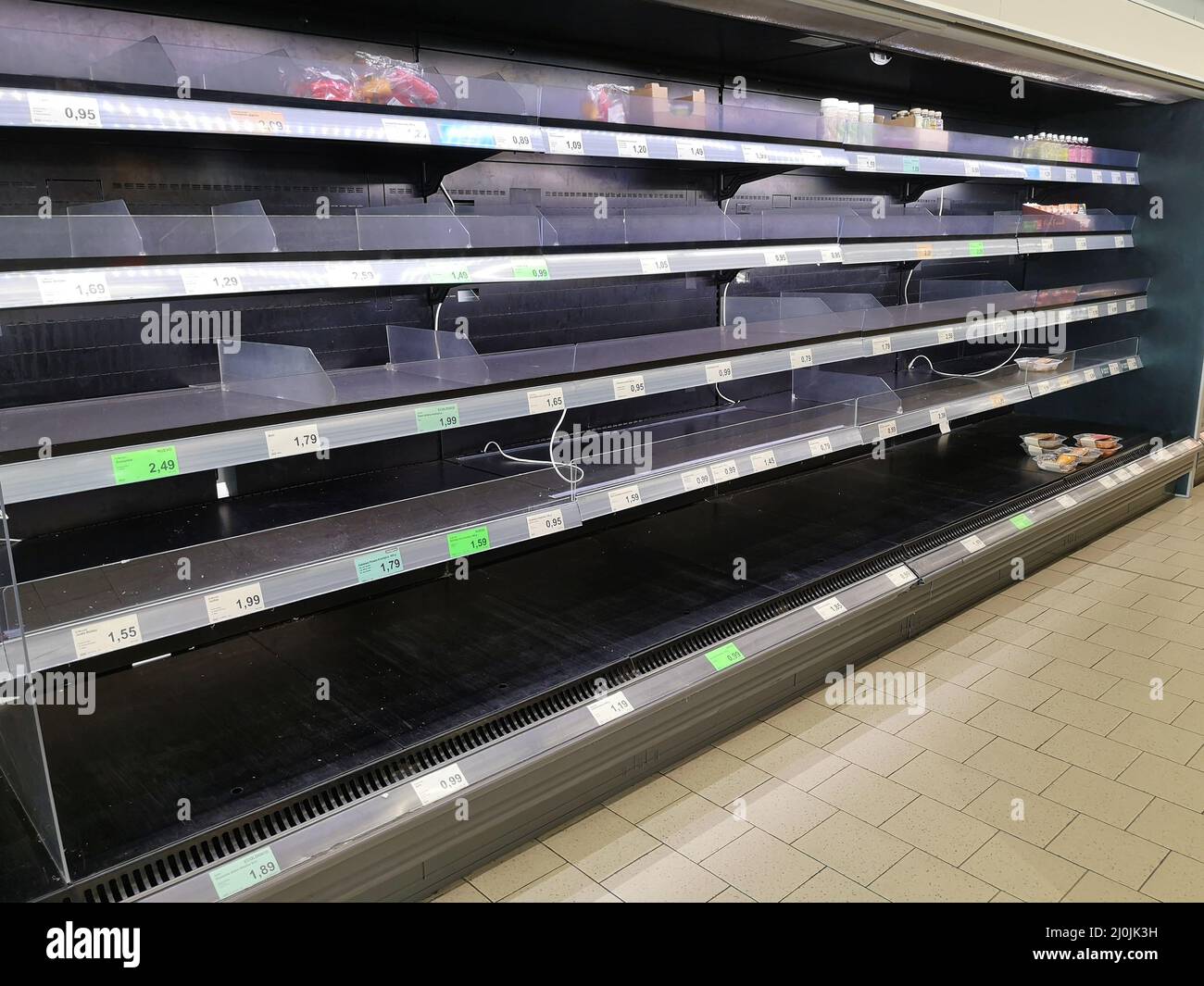
The current market imbalance suggests that the sudden popularity of the soy product has outpaced the scalability of the existing supply chain. This surge in consumption has turned a staple plant-based protein into a scarce commodity in several regions.
Long-Term Outlook and Pricing Risks
From a market perspective, the most concerning aspect of the shortage is the duration of the disruption. Public reports indicate that the current bottlenecks are not temporary glitches; instead, a return to stable supply levels is not expected until 2026.
This extended timeline of scarcity introduces significant economic pressure on both retailers and consumers. With demand far exceeding supply for the foreseeable future, analysts and local reports have highlighted the risk of a price shock, as the scarcity of the product may drive costs upward.
