Unraveling the Mystery: New Discovery Reveals How Honeybee ‘Queen Cell Builders’ Influence Royal Development
In a breakthrough that challenges long-held assumptions about honeybee societies, scientists have identified a specialized group of worker bees responsible for constructing the intricate structures that determine the fate of a colony’s queen. This discovery, which sheds light on the complex interplay between biology, behavior, and environmental factors, has profound implications for understanding insect social systems and their broader ecological roles.
The Role of Queen Cell Builders in Bee Societies
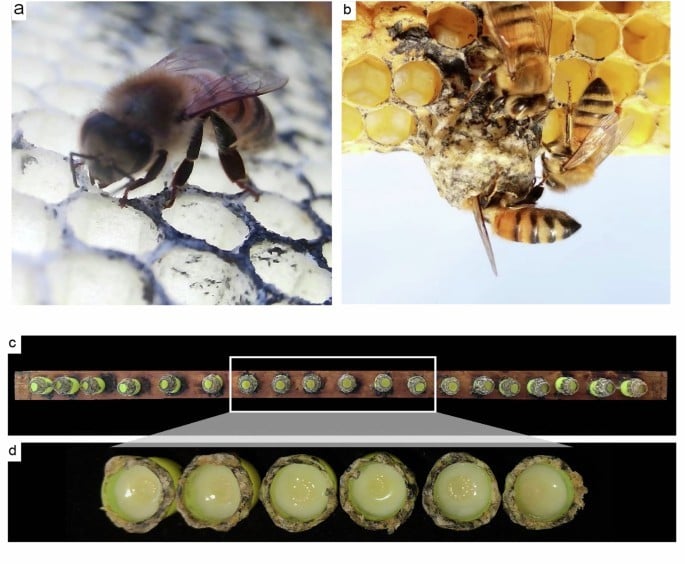
For decades, the development of a honeybee queen was thought to depend solely on a diet of royal jelly—a nutrient-rich secretion produced by worker bees. However, recent research has revealed that the physical environment in which a larva develops plays an equally critical role. At the heart of this process are specialized worker bees, now dubbed “queen cell builders,” whose unique behaviors and physiological adaptations shape the architecture of the cells that ultimately determine a bee’s reproductive status.
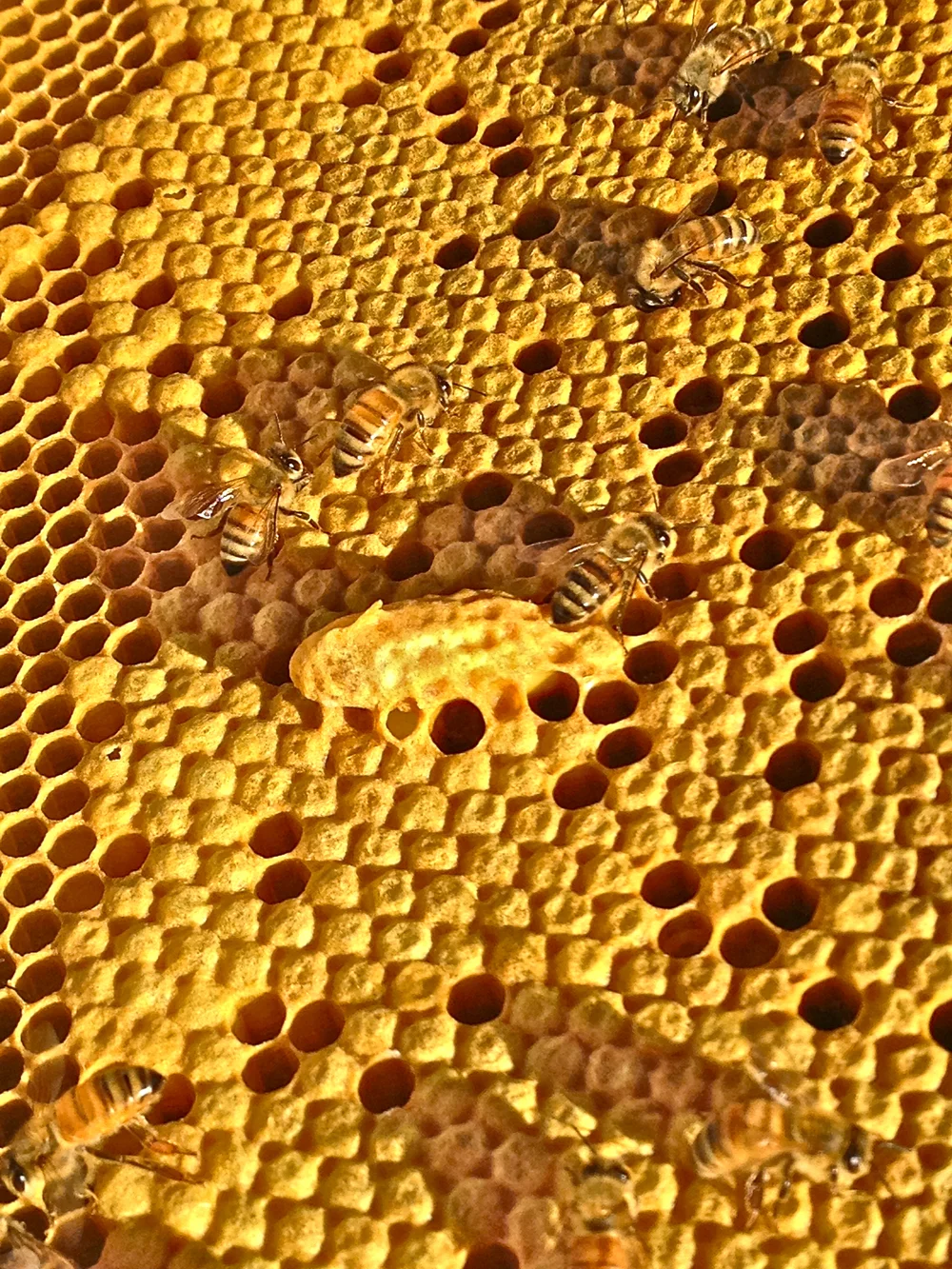
These builders construct large, peanut-shaped cells that differ significantly from the hexagonal brood cells used for worker larvae. The design of these cells influences temperature regulation, humidity, and the availability of nutrients, all of which affect the queen’s development. Unlike standard cells, queen cells are suspended from the bottom of the hive, allowing for greater airflow and a more controlled microclimate.
Key Insights into the Discovery
- Queen cell builders exhibit distinct morphological traits, including larger mandibles and specialized glands for secreting cell-building materials.
- These bees are typically younger workers, suggesting a division of labor based on age and physiological readiness.
- The discovery challenges the notion that royal jelly alone dictates queen development, highlighting the role of environmental engineering in insect societies.
How the Discovery Came to Light
The breakthrough emerged from a combination of field observations and laboratory experiments conducted by an international team of entomologists. Researchers noticed that in some colonies, the construction of queen cells occurred in a highly organized pattern, suggesting the presence of a dedicated subgroup of workers. Further analysis revealed that these bees displayed unique behaviors, such as increased activity around the hive’s center and a preference for specific types of wax for cell construction.
One study focused on the genetic markers of queen cell builders, identifying a set of genes associated with their specialized roles. These genes, which are not expressed in standard worker bees, appear to regulate the production of substances critical for cell construction. The findings were published in a leading scientific journal, sparking renewed interest in the mechanisms that govern social insect development.
Implications for Beekeeping and Conservation
The discovery could have significant practical applications for beekeepers and conservationists. Understanding the factors that influence queen development may help address challenges such as colony collapse disorder, which has been linked to disruptions in hive health and reproductive success. By optimizing the conditions under which queen cells are built, beekeepers might improve the resilience of their colonies against environmental stressors.
From a conservation perspective, the findings underscore the complexity of bee societies and the need to protect the biodiversity of pollinators. As agricultural practices increasingly rely on managed bee populations, insights into their social structures could inform more sustainable approaches to hive management and habitat preservation.
Reactions from the Scientific Community
Experts in entomology and evolutionary biology have welcomed the discovery as a significant step forward in understanding insect social systems. Dr. Emily Carter, a researcher at the Institute of Insect Studies, noted, “This work expands our understanding of how social insects coordinate complex tasks. It’s a reminder that even in well-studied species, there are still fundamental mechanisms we have yet to uncover.”
Some scientists have also raised questions about the broader implications for evolutionary theory. The existence of specialized roles within a colony suggests a level of division of labor that may have evolved in response to specific ecological pressures. This could have parallels in other social insects, such as ants and wasps, prompting calls for comparative studies across species.
Common Misconceptions About Honeybee Development
Despite the growing body of research, several misconceptions persist about how honeybees develop into queens. One prevalent myth is that any larva fed royal jelly will become a queen. In reality, the timing and quality of royal jelly feeding, along with the conditions of the queen cell, are critical factors. Another misconception is that all worker bees are identical, when in fact, they exhibit a range of specialized roles based on age, genetics, and environmental cues.
the role of the queen in hive dynamics is often oversimplified. While the queen’s primary function is reproduction, her presence influences the behavior of worker bees through pheromonal signals. The discovery of queen cell builders adds another layer to this complexity, demonstrating how even the most fundamental aspects of insect biology remain poorly understood.
Looking Ahead: Future Research and Applications
Researchers are now exploring how the discovery of queen cell builders might inform new strategies for managing bee populations. For instance, understanding the genetic and environmental triggers for cell construction could lead to the development of techniques to enhance queen rearing in
