10 Dead After Fire Breaks Out at South Delhi’s Malviya Nagar Restaurant – The Times of India
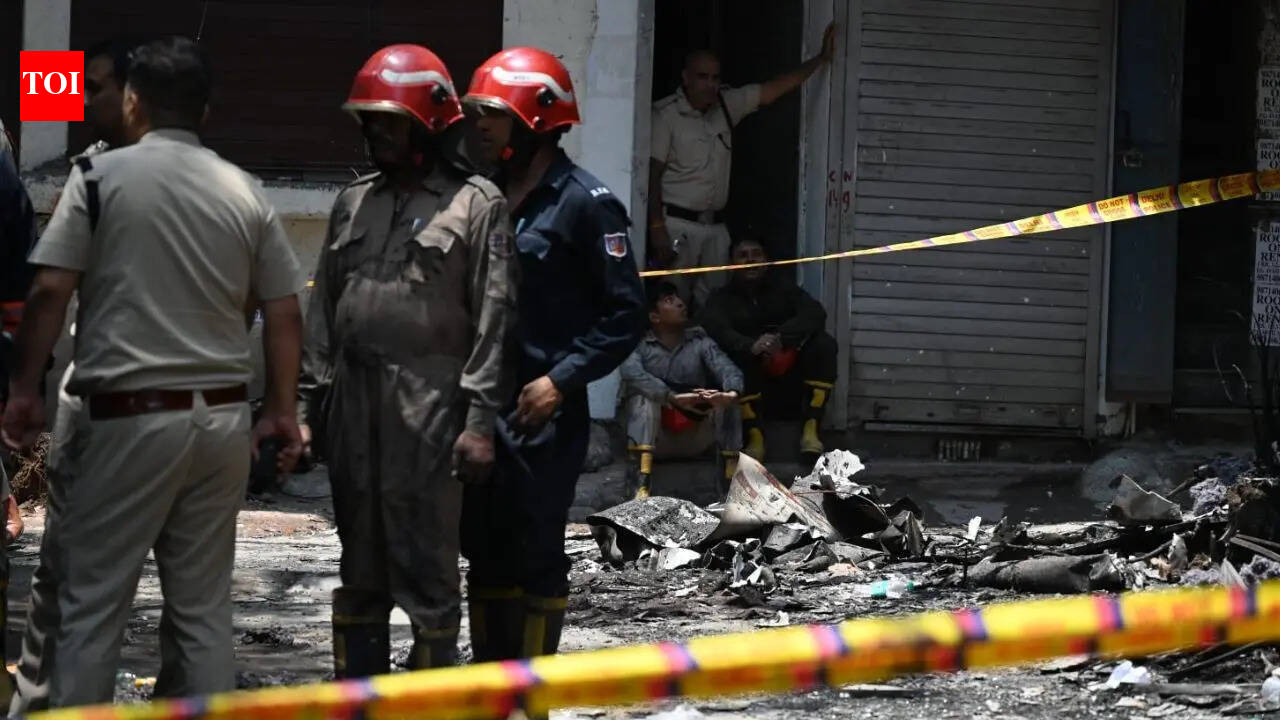
A catastrophic fire tore through a popular dining establishment in the heart of South Delhi’s Malviya Nagar, leaving a trail of devastation and claiming at least 10 lives. The tragedy, which unfolded rapidly, turned a space of leisure into a scene of horror, as patrons and staff struggled to escape the encroaching flames and suffocating smoke. While emergency responders managed to rescue several individuals and treat the injured, the scale of the loss has sparked an immediate outcry over urban safety standards and the enforcement of fire protocols in the capital’s bustling commercial hubs.
The incident, which has been widely reported across major news platforms, highlights a recurring and deadly pattern of fire accidents in Delhi’s densely populated neighborhoods. As the city grapples with the aftermath, the focus has shifted toward the cause of the blaze and whether the establishment had adhered to the mandatory safety guidelines required for high-occupancy commercial spaces. The sheer desperation of the victims—including reports of a woman leaping from the building to escape the heat—underscores the critical failure of emergency exit strategies within the premises.
The Anatomy of the Malviya Nagar Tragedy: What Happened
The fire broke out during peak hours, catching many by surprise. Witnesses describe a sudden eruption of smoke and flames that quickly engulfed the interior of the restaurant. Due to the layout of the building and the speed at which the fire spread, many guests found themselves trapped in upper levels or narrow corridors, unable to find a viable path to safety.
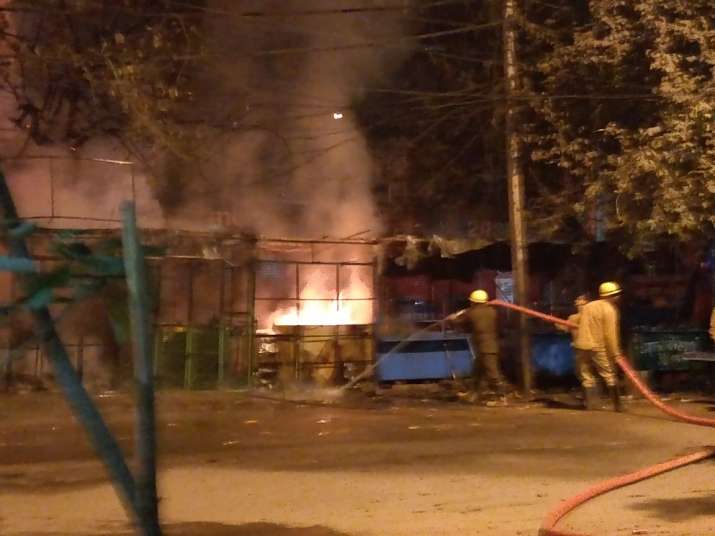
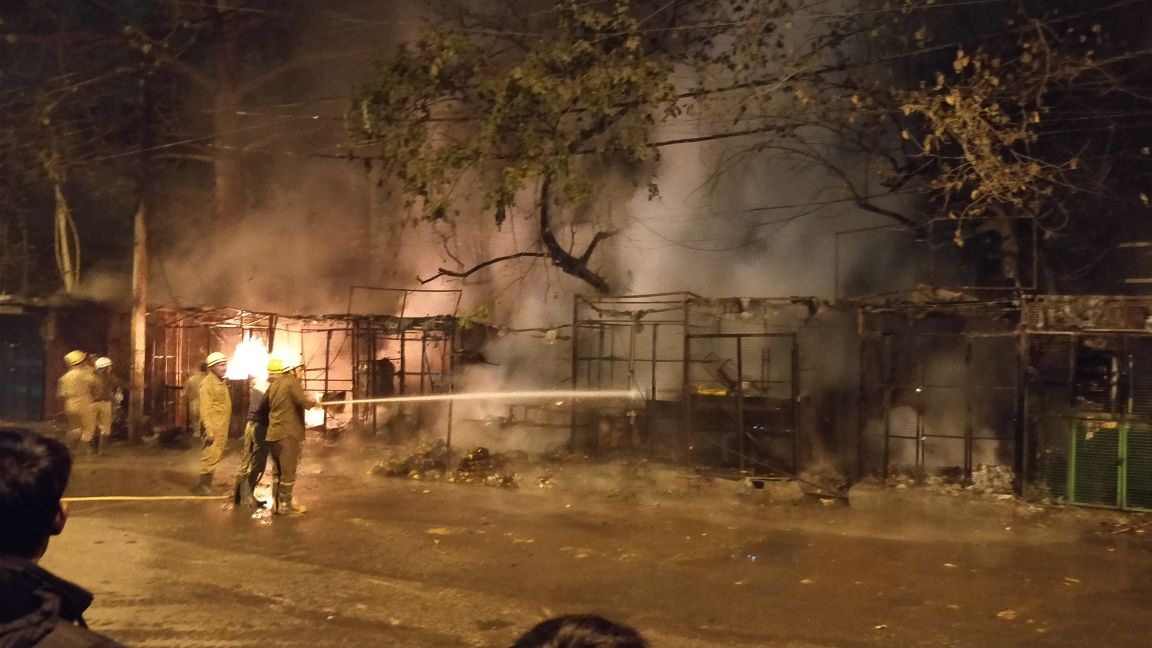
The Delhi Fire Service (DFS) responded with a massive deployment of fire tenders and personnel. However, the narrow lanes characteristic of Malviya Nagar’s commercial pockets likely hindered the rapid movement of heavy machinery, a common challenge in South Delhi’s older neighborhoods. Firefighters battled the blaze for several hours, working through thick plumes of black smoke to locate trapped individuals.
Among the most harrowing accounts is that of a woman who, faced with an insurmountable wall of fire, was seen jumping from the building in a desperate bid for survival. Such instances point to a systemic lack of accessible fire escapes, which often turns commercial buildings into “death traps” during emergencies.
Immediate Casualty and Rescue Statistics
The human cost of the disaster is staggering. While rescue operations continued for hours, the initial figures paint a grim picture of the event’s severity.
| Category | Number of Persons | Status/Outcome |
|---|---|---|
| Confirmed Fatalities | 10 | Deceased |
| Injured | 11 | Hospitalized/Under Treatment |
| Rescued | 11 | Safe/Discharged |
The injured have been shifted to nearby hospitals, with several reported to be in critical condition due to severe burns and smoke inhalation. Medical professionals are focusing on treating pulmonary distress, as the inhalation of toxic fumes from burning synthetic materials often proves as lethal as the flames themselves.
Critical Analysis: Why These Fires Keep Happening in Delhi
The Malviya Nagar fire is not an isolated event but part of a worrying trend of urban fires in the National Capital Region (NCR). To understand why such tragedies persist, one must look at the intersection of urban planning, regulatory negligence, and the pressures of the commercial real estate market.

The “Residential-to-Commercial” Conversion Trap
Many restaurants in South Delhi operate out of buildings that were originally designed as residential homes. These structures are not built to handle the heat loads of commercial kitchens, nor do they possess the structural integrity to support large crowds. When these buildings are converted into eateries, owners often add makeshift floors or partition rooms to maximize space, inadvertently blocking ventilation and creating bottlenecks that impede evacuation.
The Failure of Fire Safety Audits
A central point of contention in the wake of this tragedy is the “No Objection Certificate” (NOC) from the fire department. In many cases, establishments either operate without a valid NOC or obtain one through loopholes and superficial compliance. Key failures often include:
- Dysfunctional Sprinkler Systems: Systems that exist on paper but are not maintained or are disconnected to save costs.
- Blocked Emergency Exits: Using fire exits as storage areas or locking them to prevent unauthorized entry.
- Lack of Fire Extinguishers: Either an insufficient number of extinguishers or equipment that has passed its expiration date.
“The tragedy in Malviya Nagar is a stark reminder that safety cannot be a secondary consideration to profit. When fire norms are ignored, the cost is measured in human lives.”
The Role of Urban Infrastructure in Emergency Response
The geography of South Delhi presents a unique set of challenges for the Delhi Fire Service. Malviya Nagar, like many other colonies, has evolved organically, leading to narrow streets and haphazard parking. During the response to the restaurant fire, these factors likely played a role in the delay of reaching the epicenter of the blaze.
Obstacles to Rapid Response
- Traffic Congestion: The high density of vehicles in commercial zones often slows down emergency vehicles.
- Illegal Encroachments: Street vendors and illegal extensions of shops often narrow the available road width, making it impossible for large fire tenders to maneuver.
- Water Access: In some older parts of the city, the availability of functional fire hydrants is limited, forcing fire tenders to rely solely on their onboard tanks or distant water sources.
For more on how urban planning affects disaster management, you may find a related explainer on Delhi’s urban safety infrastructure useful.
Legal and Administrative Implications
Following the incident, the local administration and the police are expected to launch a full-scale investigation. The focus will likely be on whether the restaurant management was criminally negligent. Under Indian law, the owners of a commercial establishment can be charged with “causing death by negligence” if it is proven that they bypassed mandatory safety protocols.
Potential Areas of Investigation
- Electrical Audits: Investigating if a short circuit—a common cause of urban fires—triggered the blaze.
- Kitchen Safety: Checking for LPG leakages or the improper storage of flammable oils and chemicals.
- Capacity Limits: Determining if the restaurant was overcrowded beyond its legal capacity, which would have hindered evacuation.
The municipal authorities are also under pressure to conduct a city-wide audit of similar establishments in South Delhi to prevent a recurrence. There is a growing demand for a “zero-tolerance” policy toward restaurants operating without valid safety clearances.
Comparing Malviya Nagar to Past Urban Fire Disasters
To understand the gravity of the situation, it is helpful to compare this event with other high-profile fire tragedies in Delhi. From the Uphaar Cinema fire to more recent industrial blazes in Mundka, a common thread emerges: the failure of the “last mile” of safety.
In almost every major fire disaster in the city, the primary cause of death is not the fire itself, but the inability to escape. Whether it is locked doors, narrow staircases, or a lack of signage, the architectural failure to provide a clear exit path consistently turns survivable incidents into mass-casualty events.
The Malviya Nagar incident mirrors these past tragedies, specifically in the reports of patrons jumping from heights. This indicates a total collapse of the internal evacuation system, suggesting that the fire spread faster than the available exits could accommodate the crowd.
Key Takeaways for Public Safety
While the investigation continues, this event serves as a critical warning for both business owners and the general public. Safety is a shared responsibility that requires vigilance from all stakeholders.
For Restaurant Owners:
- Conduct monthly fire drills for all staff members.
- Ensure all fire exits are clearly marked and completely unobstructed.
- Invest in high-quality, automated smoke detection and suppression systems.
For Consumers:
- Be aware of the location of emergency exits upon entering any crowded venue.
- Avoid establishments that appear overcrowded or have blocked corridors.
- Report visible safety hazards to the management or local authorities.
Understanding the risks associated with urban dining can save lives. You might also be interested in a guide to identifying fire safety hazards in public spaces.
Frequently Asked Questions
What caused the fire at the Malviya Nagar restaurant?
The exact cause is currently under investigation by the Delhi Fire Service and local police. Preliminary suspicions often point toward electrical short circuits or kitchen-related accidents, but a formal forensic report is required for confirmation.
How many people were affected in the incident?
The current death toll stands at 10, with 11 people injured and 11 others successfully rescued by emergency teams.
Were the fire safety norms followed by the restaurant?
This is a primary focus of the ongoing investigation. Reports of people being trapped and others jumping from the building suggest that emergency exits were either insufficient or inaccessible, which may indicate a breach of safety protocols.
What is the current status of the injured?
The injured have been transported to various hospitals in South Delhi. Some remain in critical condition due to severe burns and smoke inhalation, while others are stable.
Who is responsible for the safety audits of restaurants in Delhi?
Safety audits are primarily the responsibility of the Delhi Fire Service (DFS) and the Municipal Corporation of Delhi (MCD), who are tasked with issuing and renewing No Objection Certificates (NOCs) based on safety compliance.
The tragedy in Malviya Nagar stands as a grim reminder of the fragility of safety in the city’s commercial zones. As the families of the victims seek justice and the injured fight for recovery, the event places a heavy burden on the city’s administration to move beyond reactive measures and implement a proactive, stringent regime of urban fire safety. Only through rigorous enforcement and architectural accountability can the capital hope to stop these preventable losses of life.
