
The Middle East simmered with fresh tensions as Hizbullah launched a series of drone strikes targeting Israeli military positions, while U.S.-Israel diplomatic rifts deepened over unresolved disputes. These developments unfolded against a backdrop of shifting regional alliances and escalating military activity, with implications for global security and international diplomacy.
Escalating Regional Tensions
Early morning strikes by Hizbullah forces using FPV drones disrupted Israeli military operations near the Lebanon border, according to reports from local media. The attacks, described as “coordinated and precise,” targeted logistics hubs and surveillance posts, marking a tactical shift in the group’s asymmetric warfare strategy. Israeli forces retaliated with airstrikes on southern Lebanon, hitting infrastructure near a hospital complex, raising concerns about civilian casualties.
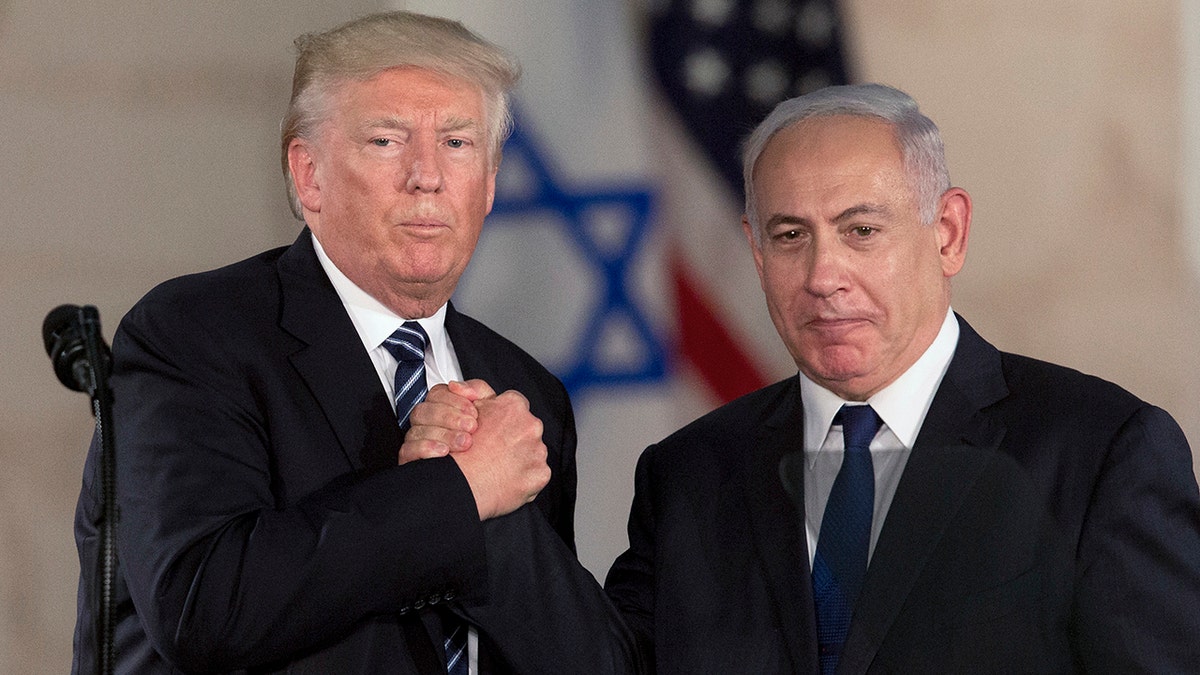
The violence coincided with heightened rhetoric from U.S. President Donald Trump, who reportedly expressed frustration with Israeli Prime Minister Benjamin Netanyahu over what he perceived as provocative actions. A source close to Trump noted the president’s exasperation, stating, “He’s been pushed to his limits by Netanyahu’s unyielding stance on regional issues.” The remark, though unverified, underscores growing friction in the U.S.-Israel relationship amid ongoing conflicts in the region.
Diplomatic Fallout and Historical Context
The U.S.-Israel rift traces back to longstanding disagreements over settlement policies, military aid, and diplomatic approaches to Iran. Trump’s recent comments reportedly criticized Netanyahu for what he called “reckless provocations” that risked destabilizing the region. Analysts suggest the tensions reflect broader challenges in maintaining a unified Western approach to Middle East conflicts, particularly as Iran continues to bolster its influence through proxies like Hizbullah.
Historically, U.S. Support for Israel has been a cornerstone of American foreign policy, but recent years have seen increasing scrutiny of Israeli actions in the occupied territories. The current standoff highlights the delicate balance between supporting an ally and addressing international concerns over human rights and regional stability.
International Reactions and Regional Implications
The United Nations Security Council convened an emergency session to address the escalating violence, with several members urging de-escalation. The European Union called for “immediate restraint,” while Arab states condemned the Israeli airstrikes as disproportionate. Meanwhile, Iran reiterated its support for Hizbullah, framing the conflict as part of a broader struggle against “Zionist aggression.”

The situation has also sparked debates within the U.S. Political landscape. Congressional leaders from both parties have called for a reevaluation of military aid to Israel, with some advocating for conditions tied to ceasefire agreements. The White House, however, has maintained its commitment to Israel’s security, emphasizing the need for a “comprehensive and lasting solution” to the conflict.
What’s Next
As the conflict enters a critical phase, regional actors are preparing for potential further escalations. Hizbullah has warned of “more operations” if Israeli forces continue their incursions, while Israeli officials have pledged to “neutralize threats” along the border. Internationally, the focus will shift to diplomatic efforts aimed at preventing a wider war, with the U.S. And its allies playing a central role in mediating between conflicting parties.
