
Mattel is betting big on the global toy market’s appetite for pop culture nostalgia, launching a new line of Monster High action figures designed to replicate the viral success of Korean pop-inspired collectibles like K-Pop Demon Hunters. The move underscores how toy manufacturers are increasingly leveraging cross-cultural fandoms to drive sales amid stagnant growth in traditional segments.
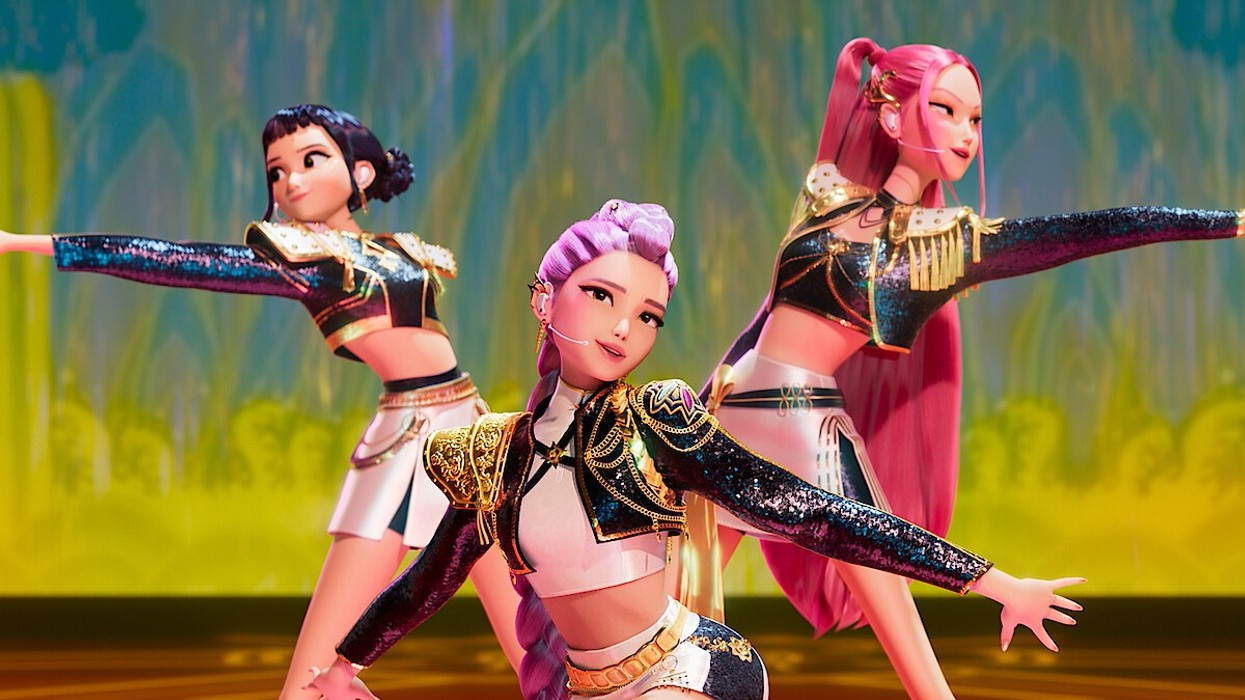
The new Monster High figures—expected to debut later this year—feature limited-edition designs tied to popular K-pop aesthetics, including gothic, fantasy, and anime-inspired characters. Mattel’s strategy mirrors the 2023 phenomenon of K-Pop Demon Hunters, a line of dolls and accessories that sold out within hours of release, generating an estimated $100 million in revenue for its distributor, Lotte Shopping, according to industry reports.
Why Monster High’s K-Pop Gambit Matters
Mattel’s decision to tap into K-pop’s global fanbase reflects a broader industry shift toward licensing and crossover collaborations as a growth driver. The toy market, valued at $250 billion worldwide, has seen sluggish growth in recent years, with traditional doll and action figure sales declining by an average of 3% annually since 2021, per NPD Group data. By aligning Monster High—a franchise that has generated over $2 billion in cumulative sales since its 2010 launch—with K-pop’s youth-driven trends, Mattel aims to recapture momentum in a segment where nostalgia and fandom intersect.
The new line will include exclusive packaging, augmented reality features, and collaborations with K-pop influencers, strategies that proved critical to Demon Hunters’s success. Analysts note that Mattel’s move also comes as the company faces pressure to diversify beyond its core Barbie and Hot Wheels franchises, which accounted for 60% of its $6.3 billion in 2023 revenue.
Market and Consumer Implications
If successful, the Monster High K-pop line could replicate the Demon Hunters effect, where limited releases created artificial scarcity and drove secondary market resales. However, the strategy carries risks: overproduction or misaligned trends could lead to excess inventory, a challenge Mattel has faced with past limited-edition lines. The company has not disclosed production volumes or retail pricing, but industry sources suggest initial batches will be tightly controlled.
For consumers, the launch may translate into higher prices for collectible figures, as was the case with Demon Hunters, where resale prices on platforms like eBay surged 300% above retail within weeks. Mattel’s decision to engage K-pop influencers—who command fees ranging from $50,000 to $200,000 per post—also signals a shift toward performance-based marketing over traditional advertising.
What’s Next for Mattel
Mattel has not set a formal timeline for the Monster High K-pop line’s release, but company statements indicate it will debut in the fourth quarter of 2024, coinciding with holiday shopping. The move aligns with Mattel’s broader push into digital and interactive play, including its recent acquisition of MGA Entertainment’s L.O.L. Surprise! franchise, which generated $1.5 billion in sales during its peak.
The company’s ability to monetize cross-cultural fandoms will be closely watched by investors, particularly as it navigates a challenging economic environment where discretionary spending on toys remains volatile. Analysts at Jefferies have upgraded Mattel’s stock outlook following its Barbie movie-driven sales surge in 2023, but the Monster High gambit will test whether the company can sustain momentum beyond blockbuster franchises.
