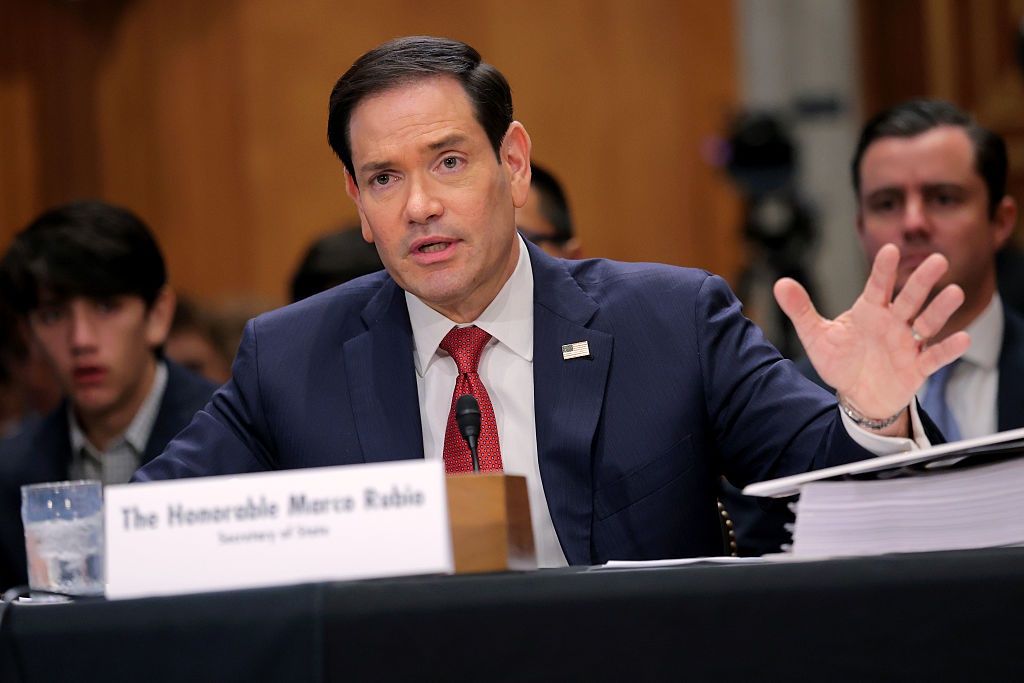
A surprise announcement by U.S. Senator Marco Rubio has sent shockwaves through global energy markets and geopolitical circles, as the White House reportedly prepares to unveil a coordinated response to Russia’s oil strategy under President Vladimir Putin. The move comes amid escalating tensions over energy supplies, with Rubio’s remarks—delivered in a manner that caught even allies off guard—highlighting a rare moment of bipartisan alignment in Washington on a critical economic and security issue.
Why Rubio’s Remark Stands Out
Rubio, a senior Republican on the Senate Foreign Relations Committee, publicly criticized what he described as Russia’s deliberate manipulation of global oil markets
to destabilize prices and undermine Western economies. His comments, framed as a direct challenge to Putin’s energy policies, mark a shift in tone from recent U.S. Rhetoric, which had largely avoided overt accusations of Kremlin-directed market interference. The senator’s intervention followed weeks of volatile crude prices, with Russia’s state-controlled energy exports playing a pivotal role in supply disruptions.
According to government officials familiar with the matter, the White House has been quietly developing a plan to counter Moscow’s influence over oil flows, though details remain classified. The strategy is expected to include a mix of sanctions targeting key Russian energy firms, expanded crude reserves releases from U.S. Stockpiles, and potential coordination with allies in the Group of Seven to cap Russian oil revenues. The timing of Rubio’s remarks suggests an effort to signal resolve ahead of a high-stakes energy summit later this month.
Background: Russia’s Oil Leverage and Western Responses
Russia has long used its energy exports as a tool of foreign policy, particularly in Europe, where dependence on Russian gas and oil has historically given Moscow significant leverage. Since the invasion of Ukraine in 2022, Western nations have imposed sweeping sanctions on Russian energy, though loopholes—such as price caps and indirect trade routes—have allowed Moscow to continue profiting. The current market volatility stems from both geopolitical tensions and OPEC+ production cuts, which have tightened global supplies.
Rubio’s focus on Putin’s oil weapon
reflects growing frustration among policymakers over Russia’s ability to exploit energy markets despite sanctions. The U.S. Has previously accused Russia of withholding supply to pressure European buyers, though Moscow denies any coordinated strategy. Analysts note that Rubio’s language aligns with a harder line taken by some European leaders, who have publicly blamed Russia for recent price spikes ahead of winter heating demand.
White House Moves to Counter Moscow
The White House has not yet confirmed Rubio’s remarks, but administration sources indicate that internal discussions about a comprehensive energy security package
have accelerated in recent days. The plan is said to include:
- A targeted expansion of U.S. Strategic Petroleum Reserve releases, with consultations underway to avoid destabilizing markets further.
- New measures to disrupt Russian oil smuggling networks, including sanctions on intermediaries in third countries like Turkey and the UAE.
- Diplomatic pressure on OPEC+ members to offset production cuts, with a focus on Gulf allies like Saudi Arabia and the UAE.
- Preparations for a potential emergency G7 energy ministers’ meeting, though no date has been set.
European allies, particularly Germany and Poland, have privately welcomed Rubio’s intervention, viewing it as a sign of U.S. Commitment to addressing energy security. However, some officials in Brussels have expressed concerns that a U.S.-led response could trigger retaliation from Russia, particularly in natural gas markets where Europe remains vulnerable.
What’s Next: A Test of Unity
The coming weeks will determine whether Rubio’s remarks translate into concrete action. The White House has indicated that any new measures will be announced in the lead-up to a scheduled energy security dialogue with NATO partners on October 15. If implemented, the plan could mark the most aggressive Western response yet to Russia’s energy influence—but it also risks escalating a confrontation that could further disrupt global markets.

For now, the focus remains on whether the U.S. And its allies can present a united front. Rubio’s unexpected intervention has already forced Russia to respond, with Kremlin spokesman Dmitry Peskov dismissing the accusations as baseless speculation
and reaffirming Moscow’s commitment to stable energy cooperation with all partners.
