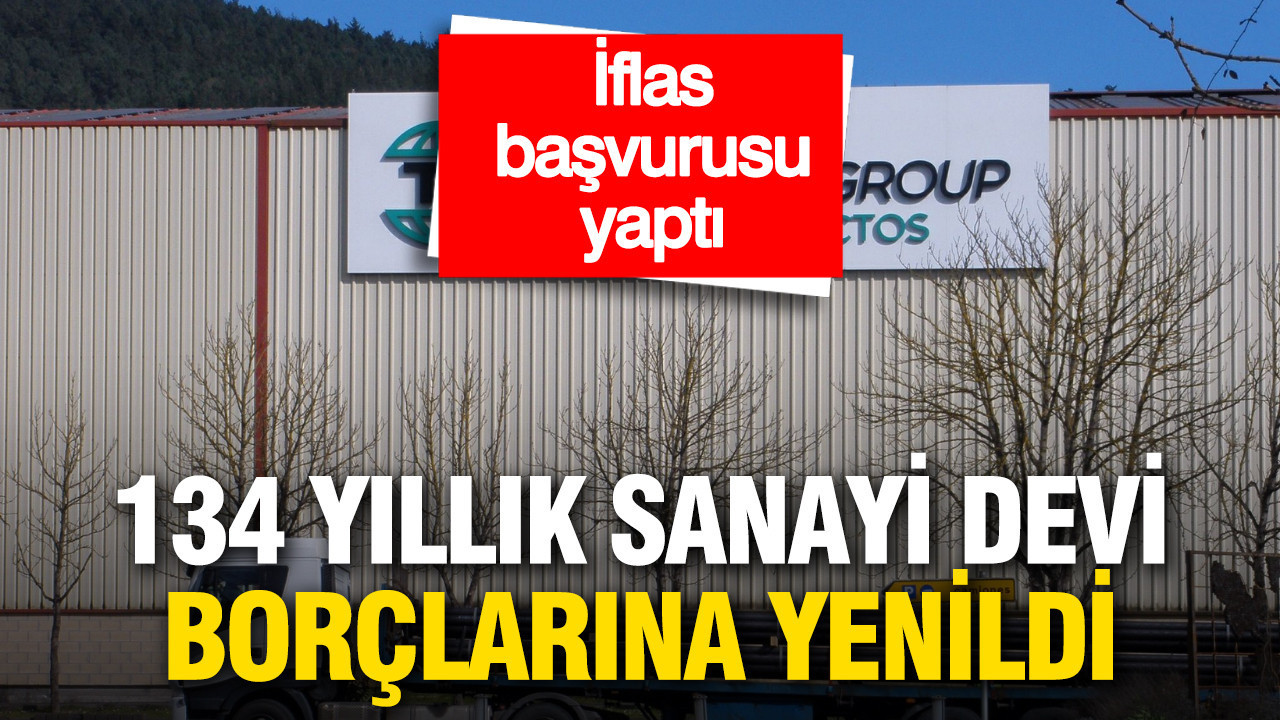
A century-and-a-half of industrial legacy crumbled this week as Tubos Reunidos, Spain’s oldest steel manufacturer, filed for bankruptcy after 134 years in operation. The collapse of the company—founded in 1890—marks the latest casualty in Europe’s steel sector, where decades of overcapacity, soaring energy costs, and shifting global trade dynamics have left even century-old giants drowning in debt.
The company’s downfall was sealed by a debt load of €263 million, a figure that underscores the brutal arithmetic of modern manufacturing: even a business with deep historical roots and specialized expertise in steel pipes and industrial components cannot survive when its cost structure becomes unsustainable. While Tubos Reunidos had weathered economic storms before—including the 2008 financial crisis—the current crisis stems from a perfect storm of factors, including:
- The post-pandemic energy price surge, which nearly doubled production costs for steelmakers reliant on gas and electricity.
- The shift in global demand, as China’s construction slowdown and Europe’s push for green energy transition reduced reliance on traditional steel products.
- A decades-long overcapacity crisis in the European steel industry, where mergers and plant closures have failed to match the scale of China’s state-backed production.
Why this matters for technology and industrial ecosystems
The steel industry is the backbone of modern infrastructure—from renewable energy projects to urban development—and its decline has ripple effects across supply chains. Tubos Reunidos, for instance, supplied critical components for oil and gas pipelines, wind turbines, and automotive manufacturing. Its collapse forces customers to scramble for alternatives, often at higher costs or with longer lead times. For tech companies relying on steel for hardware manufacturing (e.g., server racks, data center infrastructure), the disruption could translate into delayed projects or inflated material expenses.
More broadly, the case highlights a growing tension in industrial technology: how legacy systems adapt—or fail—to digital transformation. While Tubos Reunidos invested in automation and digital supply chain tools in recent years, its core business model remained tied to physical assets and traditional revenue streams. The bankruptcy serves as a cautionary tale for other heritage manufacturers: even with advanced tech integration, survival depends on agility in an era where energy costs, geopolitical trade barriers, and consumer preferences shift faster than ever.
The financial unraveling
According to public statements, Tubos Reunidos’ debt crisis was exacerbated by its inability to secure refinancing amid rising interest rates. The company had attempted restructuring efforts in 2022, but creditors rejected proposals that would have extended repayment timelines. By early 2024, liquidity dried up, leaving no viable path forward. The bankruptcy filing—processed under Spanish insolvency law—triggers an auction process for its assets, though the future of its workforce remains uncertain.
Industry analysts note that Tubos Reunidos’ collapse is not an isolated incident. Since 2020, at least three major European steelmakers have filed for insolvency, including Germany’s ThyssenKrupp’s steel division and Italy’s Ilva. The trend reflects a broader consolidation wave in the sector, where only the most efficient—or state-supported—producers are likely to survive.
What happens next for suppliers and customers?
In the short term, Tubos Reunidos’ customers will face immediate challenges:
- Supply chain disruptions: Contracts for custom steel components may need renegotiation, with some projects facing delays.
- Price volatility: As competitors rush to fill the gap, spot prices for specialty steel could spike.
- Job losses: The company employed around 1,200 workers across Spain and Portugal, with uncertainty over whether any operations will be acquired.
Longer-term, the bankruptcy could accelerate consolidation in the European steel sector. Potential acquirers—such as ArcelorMittal or Tata Steel Europe—may target Tubos Reunidos’ assets, particularly its expertise in high-pressure pipes for energy infrastructure. However, the high debt burden and fragmented ownership structure could deter buyers, leaving some facilities to shut down entirely.
The case also raises questions about the role of government intervention. In Spain, industrial policy has historically included subsidies and bailouts for struggling manufacturers, but with public finances strained by inflation and debt, direct support may be limited. Some industry groups are already lobbying for tax breaks or energy subsidies to offset the competitive disadvantage European steelmakers face against subsidized Chinese imports.
For technology stakeholders, the lesson is clear: no industry is immune to structural change. Even sectors built on physical infrastructure must continuously evolve—or risk becoming relics of the past.
