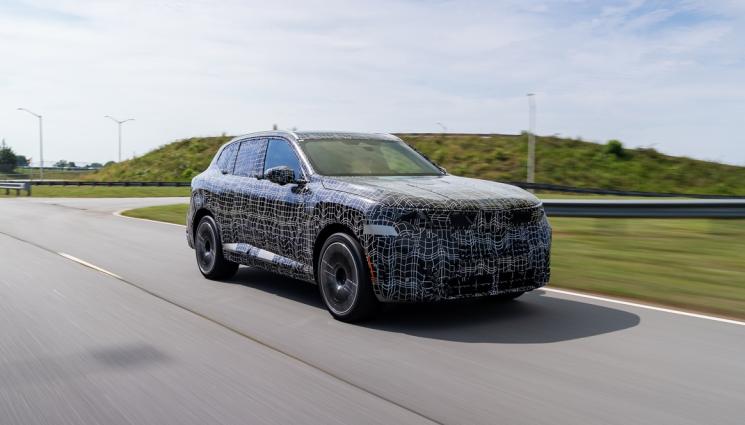
BMW is equipping the upcoming electric X5 with a 144kWh battery to address range anxiety, according to automotive reports. The new G65 model marks a departure from previous design standards, removing the traditional iDrive controller and introducing “wing” style door handles similar to those found on the Ford Mustang Mach-E.
- Battery Capacity: 144kWh power unit.
- Model Designation: G65.
- Interior Shift: Removal of the classic iDrive controller.
- Exterior Update: Transition to “wing” style door handles.
How the 144kWh Battery Addresses Range Limitations
BMW is installing a 144kWh battery in the new electric X5, according to local media reports. This capacity is described by sources as “colossal” and is intended to resolve one of the most persistent obstacles in the electric vehicle market: limited driving range. By increasing the energy density of the battery pack, the company aims to make the electric X5 a more viable option for long-distance travel, potentially expanding its appeal to luxury SUV buyers who remain hesitant to switch from internal combustion engines.
What Changes in the G65 Interior and Exterior?
The new BMW X5 G65 introduces significant modifications to the user experience and vehicle aesthetics. According to automotive reports, the interior is abandoning the classic iDrive controller, shifting the interface toward other input methods. This move aligns with a broader industry trend of replacing physical tactile controllers with screen-based or voice-activated systems.
On the exterior, the G65 is moving away from traditional door handles. According to media reports, BMW is implementing “wings” for door access, a design choice that mirrors the mechanism used in the Mustang Mach-E. This change alters the vehicle’s aerodynamic profile and visual identity.
Economic Implications for the Luxury EV Segment
The move toward a 144kWh battery signals an aggressive push for specifications that exceed current industry averages. Most luxury electric SUVs currently utilize battery packs in the 75kWh to 100kWh range. By pushing the capacity to 144kWh, BMW is positioning the X5 to compete on raw endurance, which is a primary driver for consumer adoption in the high-end segment.
The removal of the iDrive controller further indicates a shift in production and design philosophy. Reducing physical components in the cabin can streamline manufacturing processes, though it shifts the burden of usability to the software interface, making software stability a critical factor for the vehicle’s market success.
