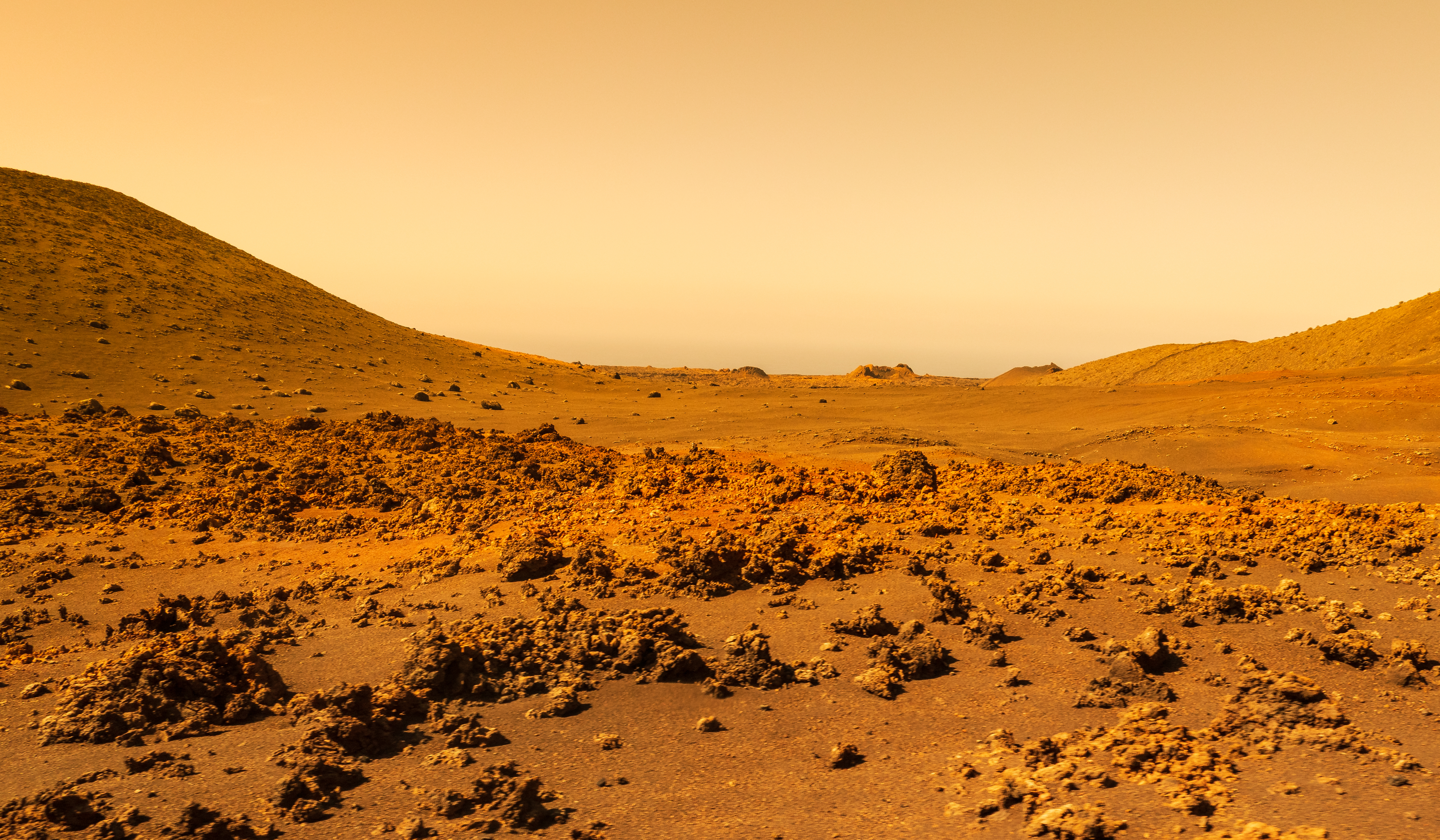
NASA’s Perseverance rover has detected complex organic molecules on Mars, raising questions about the possibility of ancient microbial life, according to research published in a recent study. The findings, analyzed using the rover’s SHERLOC instrument, identified carbon-based compounds in Jezero Crater, a site believed to have once held a lake.
The discovery was made during the rover’s exploration of sedimentary rock layers, which scientists say could preserve evidence of past life. “These organic molecules are not definitive proof of life, but they are intriguing,” said a lead researcher involved in the analysis. “They could be remnants of ancient microbial activity or the result of non-biological processes.”
What the Study Found
The study, which focused on samples collected from the edge of an ancient river delta, revealed traces of complex carbon structures. These molecules, including thiophenes and aromatic hydrocarbons, are typically associated with organic matter on Earth. However, their presence on Mars does not confirm biological origins, as similar compounds can form through geological processes.
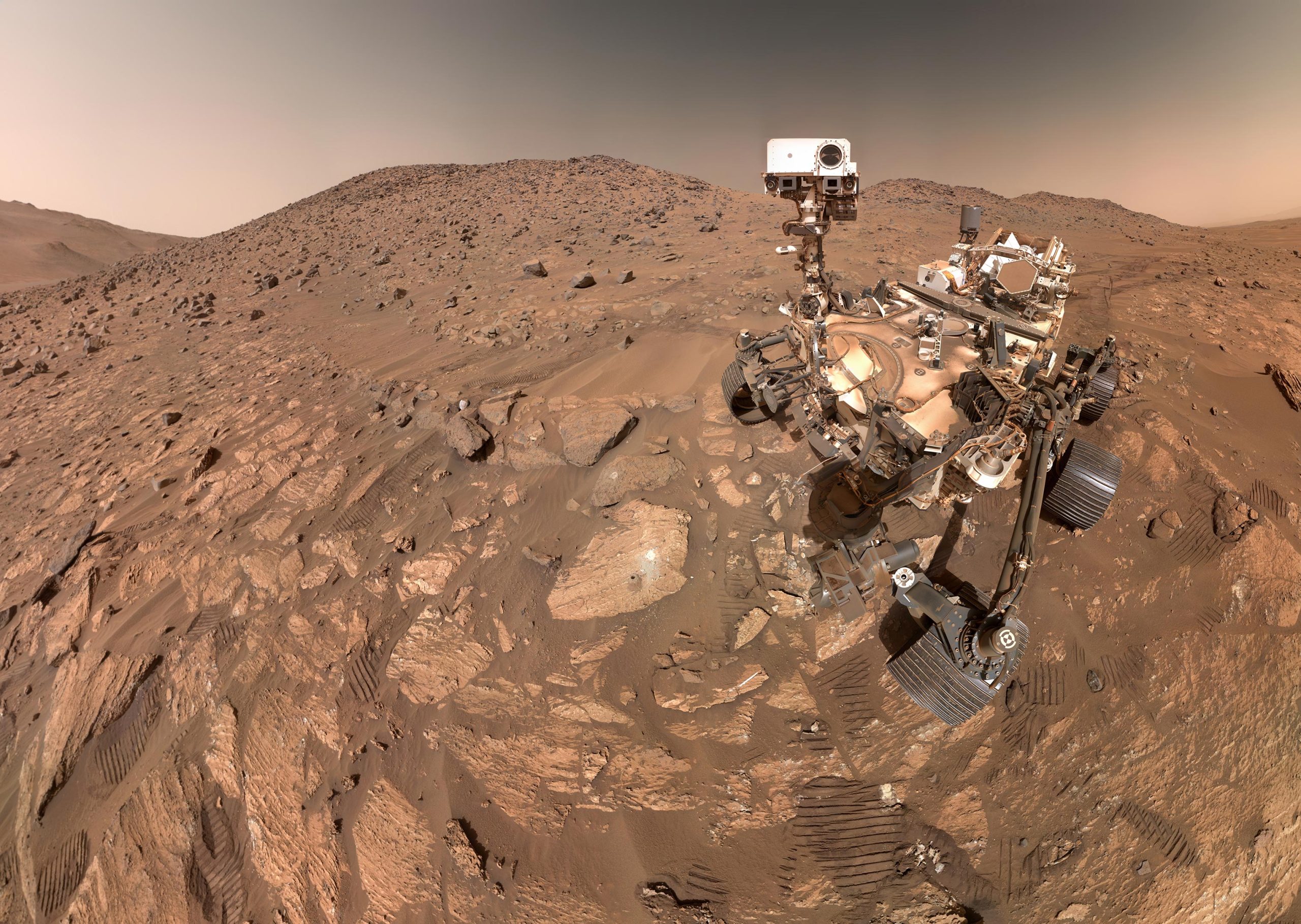
Researchers emphasized that the findings align with previous detections of organic material by NASA’s Curiosity rover. However, the new data offer more detailed chemical insights, suggesting the possibility of ancient chemical reactions that could support microbial life under specific conditions.
Context and Previous Research
Mars has long been a focal point for the search for extraterrestrial life. Previous missions, including the Viking landers in the 1970s and the Curiosity rover, have detected organic molecules, but none provided conclusive evidence of past life. The Perseverance mission, which landed in 2021, is designed to collect and cache samples for future return to Earth, where more advanced analysis could be conducted.
Scientists note that the presence of water-related minerals in Jezero Crater strengthens the case for Mars once hosting habitable environments. “The region’s geology suggests it could have supported microbial life if conditions were right,” said a planetary scientist not involved in the study. “But we need more data to determine the exact processes at play.”
Limitations and Unanswered Questions
The current analysis relies on remote sensing data and does not include direct sampling of the organic material. Researchers caution that the compounds could have been delivered by meteorites or formed through volcanic activity rather than biological processes. “We’re seeing a puzzle with pieces that could fit multiple scenarios,” said a member of the Perseverance science team. “Further studies, including sample return missions, are critical to narrowing down the possibilities.”

The study also highlights the challenges of interpreting data from another planet. Without direct access to the samples, scientists must rely on indirect methods, which can limit the certainty of their conclusions. “Every finding needs to be cross-verified with additional evidence,” said an astrobiologist. “This is a step forward, but not the final answer.”
What’s Next
The Perseverance rover is continuing its mission to explore Jezero Crater, with plans to collect and store additional samples. A future NASA mission, scheduled for the 2030s, aims to retrieve these caches and analyze them in Earth-based laboratories. “The next phase will involve comparing these samples with terrestrial rock formations to better understand their origins,” said a mission spokesperson.
Meanwhile, the scientific community is calling for increased investment in planetary exploration to address fundamental questions about life’s potential beyond Earth. “Each discovery brings us closer to answering whether we are alone in the universe,” said a researcher. “This finding underscores the importance of sustained exploration and collaboration across disciplines.”
