
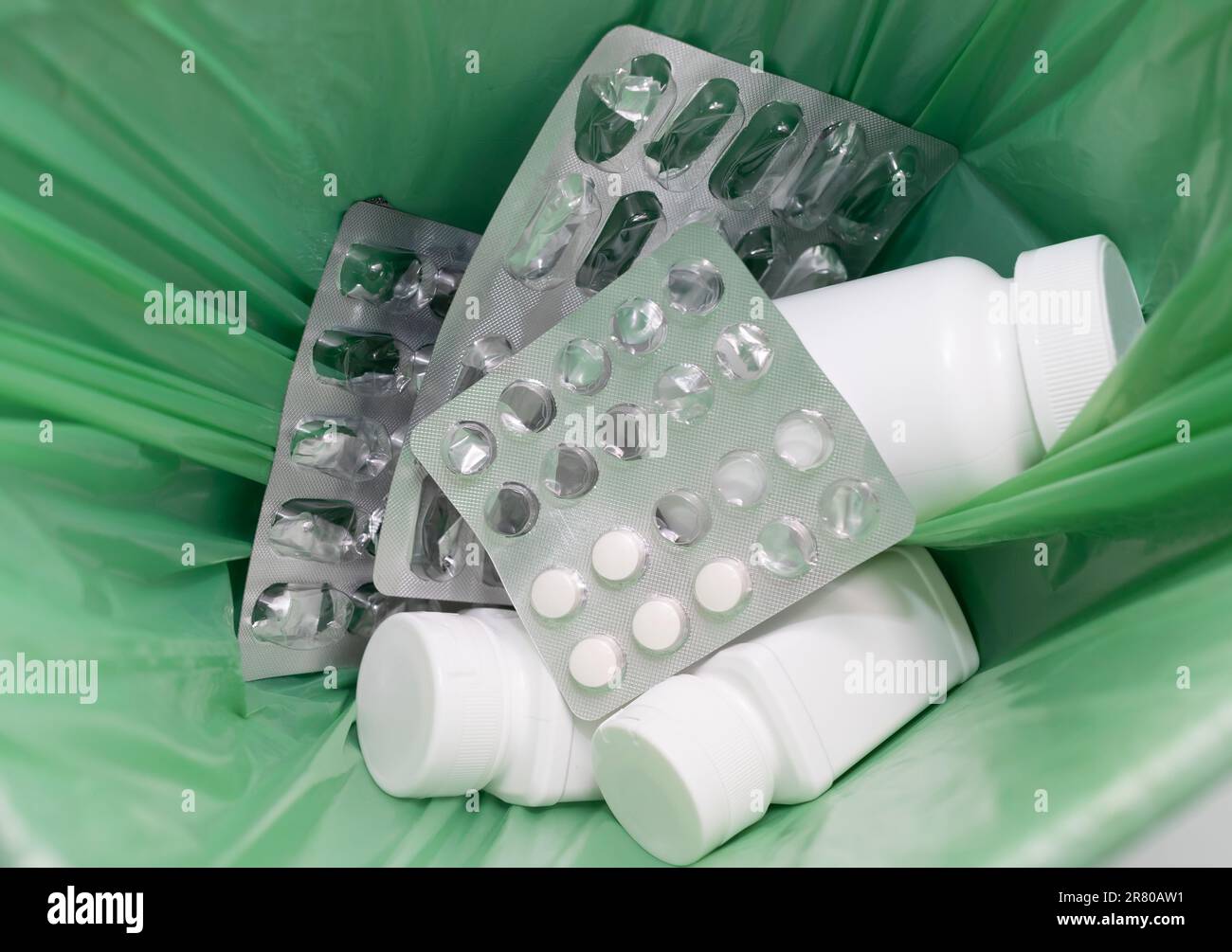
Medication waste costs the French National Health Insurance (Assurance maladie) 517 million euros annually. While the volume of unused medications has dropped 30% over two years, more than 7,600 tonnes are still destroyed each year, according to data from the ANSM and Assurance Maladie.
-
Key Findings
- Annual Financial Loss: 517 million euros.
- Waste Volume: Over 7,600 tonnes of medication destroyed annually.
- Current Trend: 30% reduction in waste over the last two years.
- Primary Source: The Perimed study, published by the ANSM and Assurance Maladie.
How much medication is wasted in France?
The French health system loses 517 million euros every year to discarded drugs. Despite a 30% decline in waste over a two-year period, the total volume of destroyed medications still exceeds 7,600 tonnes annually, according to reports from BFM and Sud Ouest. This remaining volume represents a significant material and financial loss for the national healthcare budget.
What did the Perimed study reveal?
The National Agency for the Safety of Medicines and Health Products (ANSM) and Assurance Maladie recently released the results of the Perimed study. This research was designed to analyze the causes of medication waste and identify specific “levers” to reduce the number of unused medications (MNU). Public health authorities are using these findings to develop strategies that prevent medications from being dispensed if they are unlikely to be used.
What role do regulations and pharmacists play?
European regulations contribute to the volume of waste, according to reporting from Vibration.fr. These regulatory frameworks often dictate how medications are handled and disposed of, which can limit the options for reducing waste at the source. Because of these constraints, pharmacists are being called upon to stop the “hemorrhage” of unused drugs, as noted by Le Moniteur des pharmacies. Pharmacists serve as the final checkpoint in the prescription chain and are viewed as critical actors in reducing unnecessary dispensing.
Why does this waste persist?
The persistence of 7,600 tonnes of waste, even after a 30% reduction, suggests a gap between prescription habits and actual patient consumption. While the ANSM has identified levers for action through the Perimed study, the financial burden of 517 million euros indicates that current waste-reduction efforts have not yet fully addressed the systemic causes of over-prescription or patient non-adherence.
