
South Africa’s 1-0 Victory Over South Korea in 2026 World Cup Clash: A Tactical and Strategic Breakdown
On June 25, 2026, South Africa secured a crucial 1-0 victory over South Korea in a tightly contested World Cup match, propelling the African side into the knockout stages for the first time in their history. The decisive goal came in the 68th minute, with defender Thulani Maseko scoring from a well-executed set-piece, marking a pivotal moment in the tournament. The result sent shockwaves through the group, as South Korea’s tactical approach, which prioritized star forward Son Heung-Min, failed to deliver the expected outcomes. This analysis delves into the game’s key moments, strategic decisions, and broader implications for both teams.
The Match Context: A World Cup Turning Point
The encounter took place in the final group stage of the 2026 FIFA World Cup, with both teams vying for a spot in the knockout rounds. South Africa, making their third appearance in the tournament, had shown resilience in previous matches, while South Korea, a perennial powerhouse in Asian football, entered the game as favorites. The result not only altered the group standings but also raised questions about South Korea’s coaching strategy and South Africa’s ability to compete at the highest level.
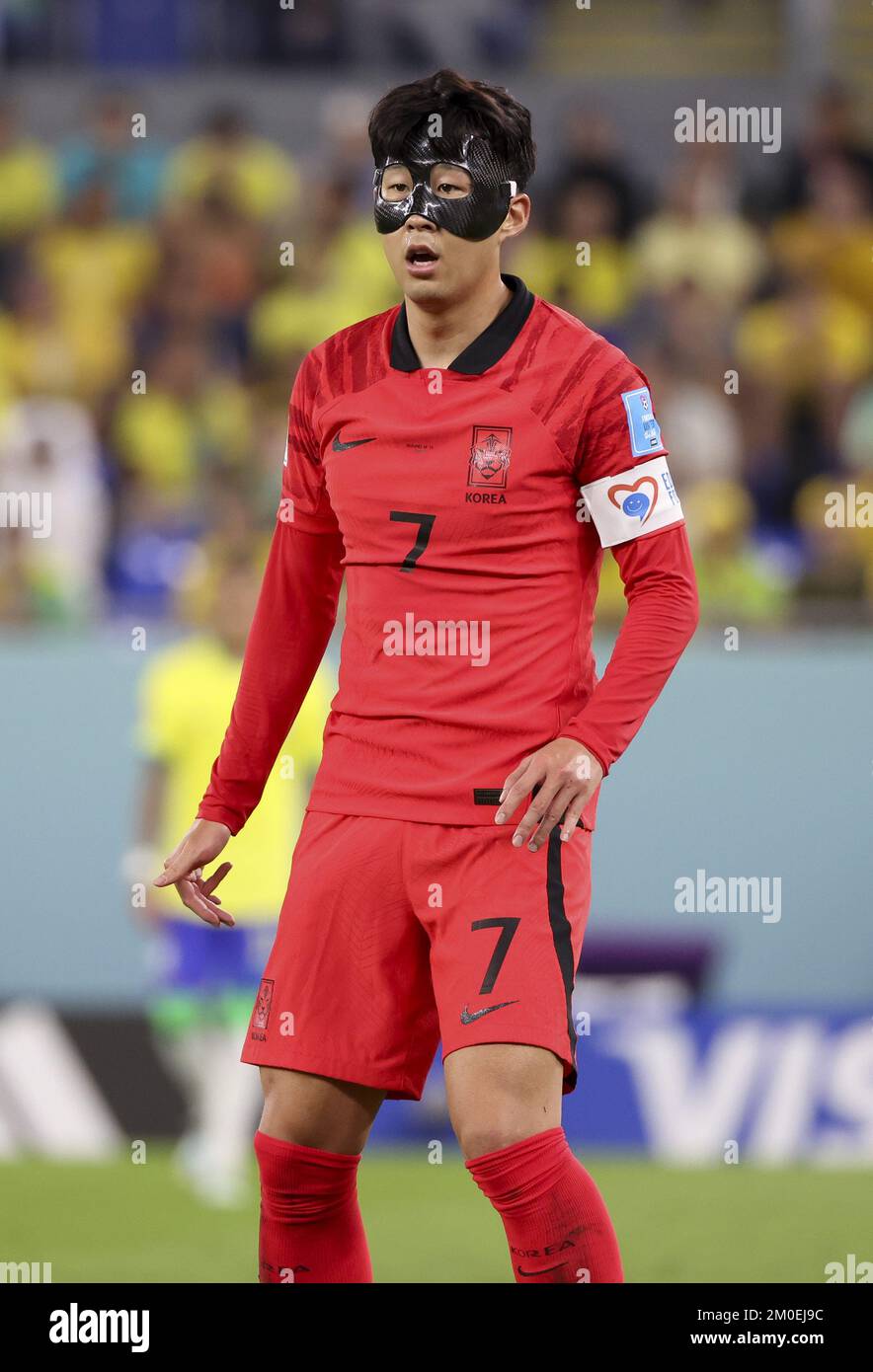
According to reports from international sports analysts, South Korea’s decision to focus on Son Heung-Min as the central attacking force drew criticism. Despite his reputation as one of Asia’s top forwards, Son struggled to make an impact, with his only notable chance coming in the 32nd minute when he failed to convert a one-on-one opportunity. In contrast, South Africa’s disciplined defense and counterattacking approach proved effective, particularly in the second half.
Key Tactical Decisions: What Went Right and Wrong
South Korea’s coach, who opted to start Son Heung-Min as the lone striker, faced scrutiny for his lineup choices. The strategy, intended to leverage Son’s experience and goal-scoring ability, backfired as the forward was frequently isolated and overwhelmed by South Africa’s defensive organization. According to a post-match analysis by several football experts, South Korea’s midfield lacked creativity, leaving Son without support in the final third.
South Africa, meanwhile, adopted a pragmatic approach, prioritizing teamwork over individual brilliance. Their defense, led by Maseko, was relentless in pressing South Korea’s wide attackers, limiting the space available for their midfielders to operate. The African side’s ability to maintain possession in key areas of the pitch allowed them to launch quick transitions, which ultimately led to the winning goal.
“The coach’s decision to focus on Son was a gamble, and it didn’t pay off,” said a football analyst from a major sports network. “South Africa’s structure was too solid for that approach to work. They adapted quickly, and their physicality was a factor in the outcome.”
The Winning Moment: Maseko’s Set-Piece Masterclass
The decisive goal came in the 68th minute, following a corner kick delivered by South Africa’s midfielder. Maseko, who had been a constant threat on set-pieces throughout the tournament, rose above the South Korean defenders to head the ball into the net. The goal was a testament to South Africa’s preparation and tactical discipline, as they had spent weeks studying South Korea’s defensive weaknesses in such situations.
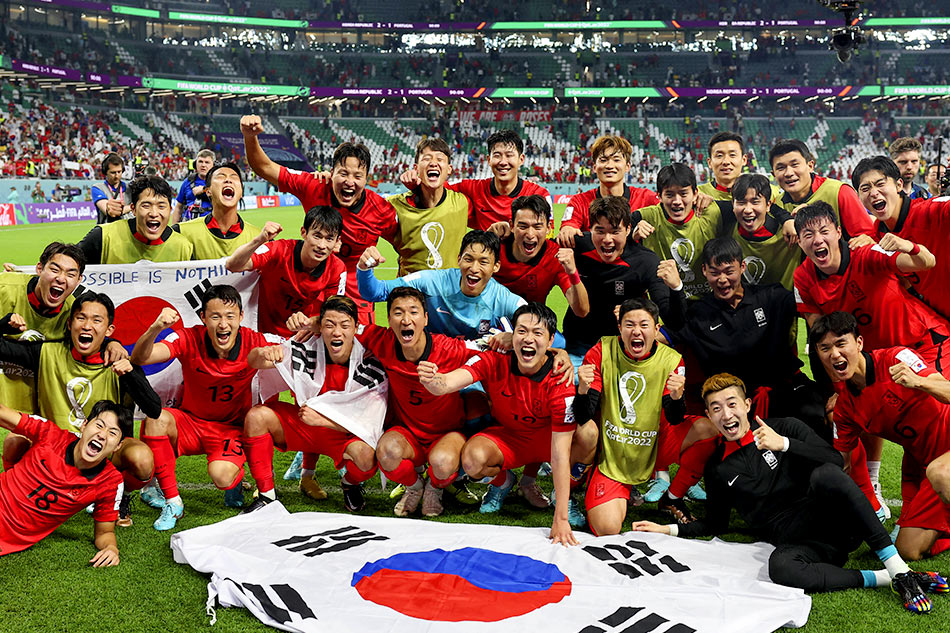
South Korea’s goalkeeper, who had been impressive in the first half, was left stranded as the ball curled into the top corner. The goal sparked a wave of celebration among South Africa’s players and fans, while South Korea’s bench was left in disbelief. The moment marked a turning point in the match, with South Africa taking control of the game and maintaining their composure in the closing minutes.
Reactions and Implications: A New Era for South African Football
The victory has been hailed as a landmark moment for South African football, with officials and fans alike expressing pride in the team’s performance. “This is a testament to the hard work of the players and coaching staff,” said a South African football federation representative. “We’ve proven that we can compete with the best teams in the world.”
For South Korea, the loss has raised concerns about their World Cup campaign. The team now faces an uphill battle to advance, with their next match against a strong European side. Analysts suggest that the coach may need to reconsider their approach, potentially shifting to a more balanced attack that involves multiple players rather than relying on a single star.
“The pressure is on them now,” said a sports commentator. “They need to regroup quickly and find a way to adapt. If they don’t, their World Cup could be over before the knockout stages even begin.”
The Broader Impact: A Shift in Regional Football Dynamics
The result has broader implications for the football landscape in Africa and Asia. South Africa’s success highlights the growing competitiveness of African teams on the global stage, challenging the traditional dominance of European and South American nations. The victory could also inspire a new generation of African players, demonstrating that with the right strategy and determination, they can achieve international success.
Conversely, South Korea’s defeat underscores the challenges of relying on star power in a tournament where teamwork and adaptability are crucial. The loss may prompt a reevaluation of how Asian teams approach high-stakes matches, with a potential shift towards more collective strategies rather than individual heroics.
What’s Next for Both Teams?
South Africa’s next match will see them face a strong contender in the knockout stages, with the team needing to maintain their tactical discipline to progress further. Their ability to handle pressure and continue their cohesive play will be critical in the coming games.

South Korea, on the other hand, must address their tactical shortcomings and find a way to regain momentum. Coach adjustments, player rotations, and a renewed focus on team cohesion could be key factors in their path forward. The team’s remaining matches will be a true test of their resilience and adaptability.
FAQ: Answers to Common Questions About the Match
What was the significance of
