Anesthetic Management of Multiple Endocrine Neoplasia Type 2A (MEN2A) Syndrome With Contralateral Recurrent Pheochromocytoma: A Case Report – Cureus
Anesthetic management for a patient with Multiple Endocrine Neoplasia Type 2A (MEN2A) syndrome and a recurrent contralateral pheochromocytoma requires strict adherence to alpha-adrenergic blockade before beta-blockade to prevent lethal hypertensive crises. According to a case report published in Cureus, this specific sequence is critical to stabilize hemodynamics during the surgical removal of catecholamine-secreting tumors.
What occurred during the anesthetic management of this MEN2A case?
Medical providers managed a patient diagnosed with Multiple Endocrine Neoplasia Type 2A (MEN2A) who presented with a recurrent pheochromocytoma on the opposite side (contralateral) of a previous surgical site. The primary goal of the anesthetic team was to prevent a “catecholamine storm”—a massive release of adrenaline and noradrenaline—which can occur when the tumor is manipulated during surgery.
The management strategy focused on preoperative pharmacological stabilization. The patient underwent a regimen of alpha-blockers to expand blood volume and lower blood pressure, followed by beta-blockers to control tachycardia. During the operation, the anesthesia team utilized continuous hemodynamic monitoring and rapid-acting vasodilators to counteract sudden spikes in blood pressure caused by the surgical handling of the adrenal gland.
Key elements of the clinical approach included:
- Preoperative Alpha-Blockade: Use of medications to block alpha-receptors, preventing vasoconstriction.
- Volume Expansion: Aggressive fluid therapy to correct the chronic volume depletion typical of pheochromocytoma patients.
- Intraoperative Titration: Real-time adjustment of anesthetic agents and vasopressors to maintain a stable mean arterial pressure (MAP).
Why is MEN2A syndrome a complicating factor in surgery?
Multiple Endocrine Neoplasia Type 2A is a hereditary condition caused by mutations in the RET proto-oncogene. According to the Cureus report, MEN2A is characterized by a triad of endocrine tumors that significantly complicate surgical and anesthetic planning:
- Medullary Thyroid Carcinoma (MTC): This often requires extensive thyroid surgery, which can impact the patient’s airway and calcium levels.
- Pheochromocytoma: These are catecholamine-secreting tumors of the adrenal medulla. They can be bilateral (occurring in both glands) and are prone to recurrence.
- Parathyroid Hyperplasia: This leads to primary hyperparathyroidism, causing elevated calcium levels that can affect cardiac conduction and muscle function.
The presence of these three conditions means the patient is not dealing with a single isolated tumor but a systemic genetic predisposition. When a pheochromocytoma recurs on the contralateral side, the patient’s cardiovascular system has already been stressed by previous surgeries and chronic hormone exposure, increasing the risk of perioperative instability.
The recurrence of a pheochromocytoma in a patient with MEN2A increases the complexity of anesthetic care, as the cardiovascular system may be more sensitized to catecholamine release than in sporadic cases.
How does the “Alpha-Before-Beta” blockade protocol work?
One of the most critical safety mandates in the anesthetic management of pheochromocytoma is the sequence of medication. The Cureus case report emphasizes that alpha-adrenergic blockers must be administered before beta-blockers.

If a clinician administers a beta-blocker first, they block the beta-2 receptors, which are responsible for vasodilation (opening the blood vessels). This leaves the alpha-receptors unopposed. When the catecholamines from the tumor hit these unopposed alpha-receptors, it causes massive, systemic vasoconstriction. This can lead to a hypertensive crisis, stroke, or myocardial infarction.
The correct sequence ensures the blood vessels are first “opened” and the blood pressure is lowered via alpha-blockade. Once the alpha-receptors are saturated, beta-blockers are added to manage the heart rate (tachycardia) without the risk of a paradoxical rise in blood pressure.
| Medication Phase | Primary Goal | Risk of Incorrect Sequence |
|---|---|---|
| Alpha-Blockade | Vasodilation and Volume Expansion | If skipped: Severe hypertensive crisis during induction. |
| Beta-Blockade | Heart Rate Control (Tachycardia) | If given first: Unopposed alpha-stimulation and extreme BP spikes. |
What are the specific challenges of contralateral recurrent pheochromocytoma?
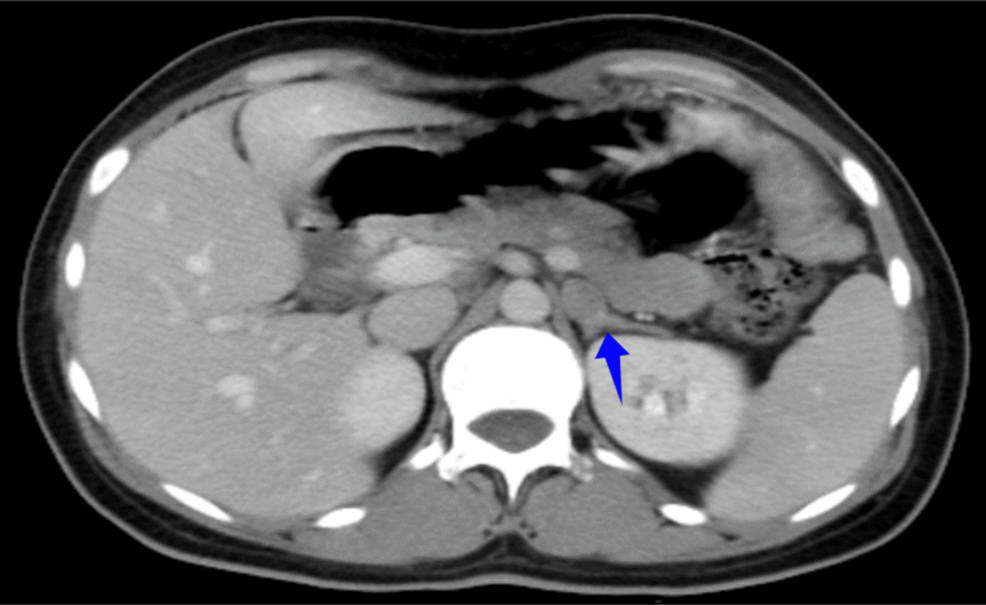
A contralateral recurrent pheochromocytoma occurs when a tumor develops in the adrenal gland opposite to the one previously removed. This presents unique challenges for the surgical and anesthesia teams compared to a primary, single-sided tumor.
First, the patient’s history of a previous adrenalectomy may have left them with altered cortisol production or adrenal insufficiency, requiring careful steroid replacement therapy. Second, the recurrence indicates a genetic driver (like the RET mutation in MEN2A) that makes the patient more likely to develop other tumors, meaning the anesthesia team must be vigilant for multi-organ dysfunction.
The Cureus report notes that recurrent tumors can sometimes be more difficult to stabilize pharmacologically than the initial tumor. The “washout” period for alpha-blockers must be precisely timed to ensure the patient is not too hypotensive before surgery, yet not under-blocked during the tumor manipulation phase.
Related explainer on adrenal insufficiency management may provide further context on postoperative hormone replacement.
How is hemodynamic stability maintained during the operation?
During the actual removal of the contralateral tumor, the anesthetic team monitors for the “surge”—the moment the surgeon touches or ligates the tumor, triggering a massive release of catecholamines into the bloodstream.
To manage this, the team employs several strategies:
- Rapid-Acting Vasodilators: Medications such as sodium nitroprusside or phentolamine are kept on standby to immediately lower blood pressure if a spike occurs.
- Controlled Induction: The induction of general anesthesia is a high-risk period. The team avoids drugs that could trigger tachycardia or hypertension, opting for agents that maintain cardiovascular stability.
- Fluid Management: Because pheochromocytoma patients are often chronically volume-depleted due to high vasoconstriction, the team provides aggressive intravenous fluids to prevent a crash in blood pressure once the tumor is removed and the vasoconstriction suddenly vanishes.
The goal is to maintain a narrow window of blood pressure: high enough to ensure organ perfusion but low enough to avoid vascular accidents.
What are the common misconceptions about MEN2A and pheochromocytoma?
There are several frequent misunderstandings regarding the management of these conditions that the Cureus report helps clarify.

Misconception 1: Beta-blockers are the first line for high blood pressure in these patients.
In standard hypertension, beta-blockers are common. In pheochromocytoma, they are dangerous if used alone. The alpha-blockade is the non-negotiable first step.
Misconception 2: Once one adrenal tumor is removed, the risk is gone.
In MEN2A patients, the risk of contralateral recurrence or the development of new tumors is high. Lifelong surveillance via imaging and biochemical testing (metanephrines) is required.
Misconception 3: The patient is “stable” if their blood pressure is normal on the day of surgery.
A patient can have normal blood pressure but still be “catecholamine-sensitive.” Without proper alpha-blockade, the physical stress of surgery can trigger a crisis regardless of the baseline blood pressure.
What are the long-term implications for patients with MEN2A?
The management of a contralateral recurrent pheochromocytoma is only one part of a lifelong medical journey. Patients with MEN2A require a multidisciplinary team consisting of endocrinologists, genetic counselors, and surgeons.
The long-term focus shifts to:
- Thyroid Surveillance: Monitoring for medullary thyroid carcinoma, which often requires prophylactic thyroidectomy in high-risk mutation carriers.
- Calcium Monitoring: Managing hyperparathyroidism to prevent kidney stones and bone loss.
- Biochemical Screening: Regular tests for plasma or urinary metanephrines to catch any further adrenal recurrences early.
The success of the anesthetic management in the Cureus case highlights that while MEN2A is a complex systemic disease, targeted pharmacological protocols can make high-risk surgeries safe.
Frequently Asked Questions
What is the main risk of surgery for a patient with MEN2A?
The primary risk is a catecholamine crisis, where the surgical manipulation of a pheochromocytoma causes a massive release of adrenaline. This can lead to severe hypertension, heart failure, or stroke if not managed with alpha-blockers.
Why is alpha-blockade necessary before beta-blockade?
Alpha-blockers prevent blood vessels from constricting. If beta-blockers are given first, they block the vessels’ ability to dilate, leaving the alpha-receptors “unopposed.” This can cause a dangerous and sudden spike in blood pressure.

Can MEN2A be cured?
MEN2A is a genetic syndrome and cannot be “cured” in the traditional sense. However, the associated tumors—such as medullary thyroid carcinoma and pheochromocytoma—can be managed or removed surgically to prevent mortality.
What happens if a pheochromocytoma recurs on the other side?
A contralateral recurrence requires a second surgical intervention. The anesthetic management is similar to the first surgery but may be more complex due to the patient’s previous surgical history and potential changes in adrenal function.
How is a pheochromocytoma diagnosed in MEN2A patients?
Diagnosis typically involves biochemical testing for elevated metanephrines in the blood or urine, followed by imaging such as CT scans or MRI to locate the tumor in the adrenal glands.
