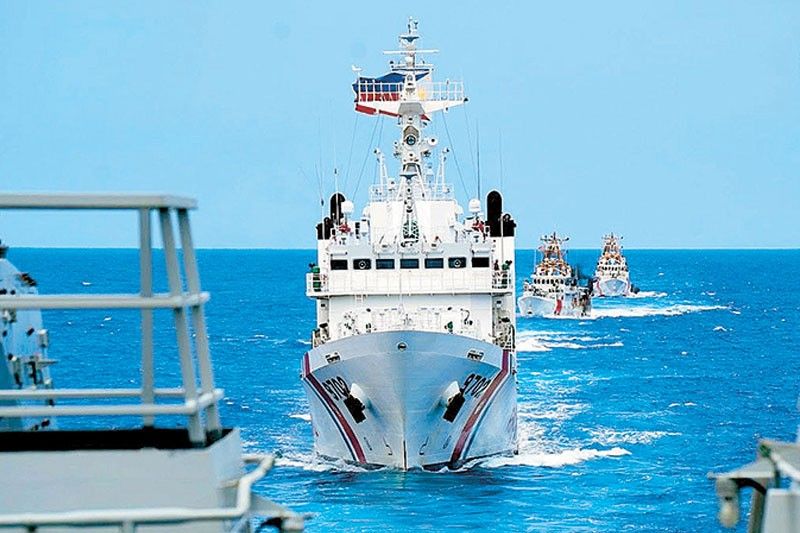
Philippines, US Ships Hold 6-Day Exercise in West Philippine Sea to Boost Maritime Security
The Philippines and the United States conducted a six-day joint maritime exercise in the West Philippine Sea to enhance interoperability and regional security. According to reports from Philstar.com and the Philippine News Agency, the maneuvers included the 4th Maritime Cooperative Activity (MCA) of the year, involving integrated naval and air assets from both nations.
What happened during the 6-day exercise in the West Philippine Sea?
The Philippines and the United States deployed naval and air assets for a coordinated six-day operation within the West Philippine Sea. According to Philstar.com, the exercise focused on combined maneuvers designed to test the readiness and coordination of both forces in a contested maritime environment. This period of activity was not a standalone event but part of a broader series of engagements intended to solidify the defense posture of both allies.
The Philippine News Agency reports that these maneuvers constituted the 4th Maritime Cooperative Activity (MCA) conducted in the region for the current cycle. These MCAs are characterized by their flexibility and frequency, allowing the Philippine Navy and the U.S. Navy to practice real-time communication and tactical movements. The air component of the exercise ensured that maritime assets had the necessary surveillance and cover, creating a multi-domain approach to security.
Key operational focuses included:
- Interoperability: Testing how well different ship classes and communication systems from two different nations work together.
- Tactical Coordination: Executing complex maneuvers to maintain a presence in the West Philippine Sea.
- Air-Sea Integration: Synchronizing naval movements with aerial patrols to broaden the scope of situational awareness.
Which military and coast guard units were involved?
The exercises involved a diverse array of forces, ranging from high-end combatant ships to law enforcement vessels. While the Philippine Navy and U.S. Navy provided the primary combat power for the 4th MCA, other agencies played critical roles in the broader training umbrella.
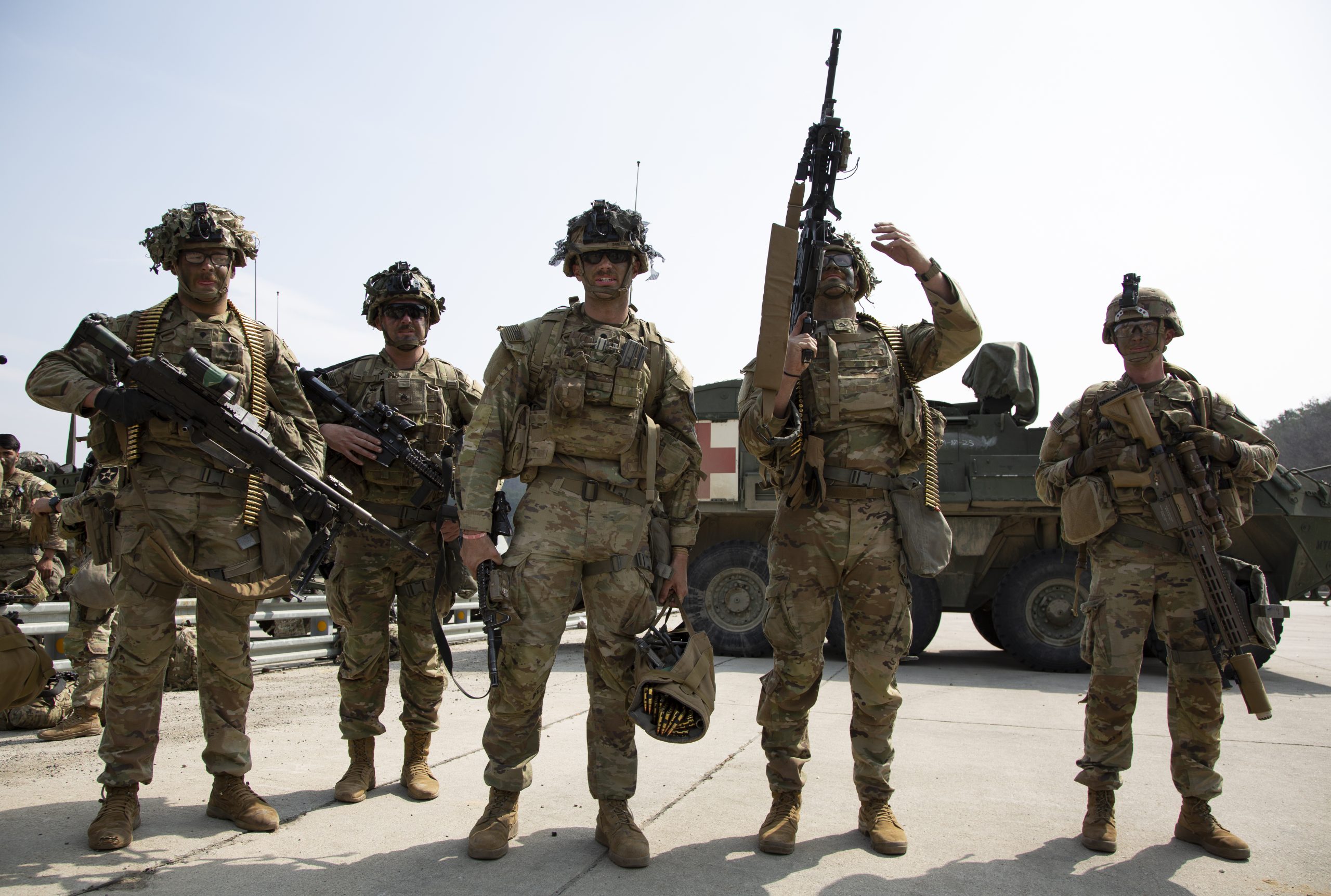
According to ABS-CBN, the Philippine Coast Guard (PCG) and the U.S. Coast Guard (USCG) also conducted joint training. This “white hull” diplomacy focuses on maritime law enforcement and search-and-rescue operations, which differ from the “grey hull” combat operations conducted by the navies. The inclusion of coast guards signals a shift toward managing daily tensions and enforcing maritime law rather than focusing solely on high-intensity conflict.
Simultaneously, USNI News reports that U.S. Marines initiated the Kamandag 10 exercise. Unlike the ship-based MCAs, Kamandag typically focuses on amphibious operations, jungle warfare, and land-based security, ensuring that the partnership extends from the deep ocean to the shoreline.
| Participating Entity | Primary Role in Exercises | Source of Activity |
|---|---|---|
| Philippine Navy & U.S. Navy | Combat maneuvers and 4th MCA | Philstar.com / PNA |
| Philippine Coast Guard & U.S. Coast Guard | Maritime law enforcement training | ABS-CBN |
| U.S. Marines | Amphibious and land operations (Kamandag 10) | USNI News |
Why does the 4th Maritime Cooperative Activity matter for regional stability?
The frequency and nature of these exercises reflect a strategic effort to maintain a “free and open Indo-Pacific.” By conducting the 4th MCA in a short span, the U.S. and Philippines are demonstrating a consistent and predictable presence in the West Philippine Sea. This is a direct response to the increasing volatility of the region, where territorial claims often overlap.
DVIDS documentation emphasizes that these activities are about “strengthening partnerships.” In practical terms, this means moving beyond theoretical agreements to actual operational capability. When the Philippine Coast Guard trains with the U.S. Coast Guard, as reported by ABS-CBN, they are establishing the protocols needed to handle encounters at sea without escalating them into full-scale military conflicts.
The strategic implications include:
- Deterrence: Showing a unified front to discourage unilateral changes to the status quo in the region.
- Capacity Building: Allowing the Philippine military to learn advanced tactical maneuvers from the U.S. Navy.
- Legal Affirmation: Exercising the right to navigate international waters as defined by international law.
For more on the legal framework of these waters, see a related explainer on the UNCLOS ruling.
How does Kamandag 10 differ from the naval exercises?
While the 6-day ship exercise and the 4th MCA focus on the water and air, Kamandag 10 targets the land-sea interface. According to USNI News, the U.S. Marines’ involvement in Kamandag 10 is designed to improve the ability of both nations to respond to crises that require amphibious landings or inland security operations.
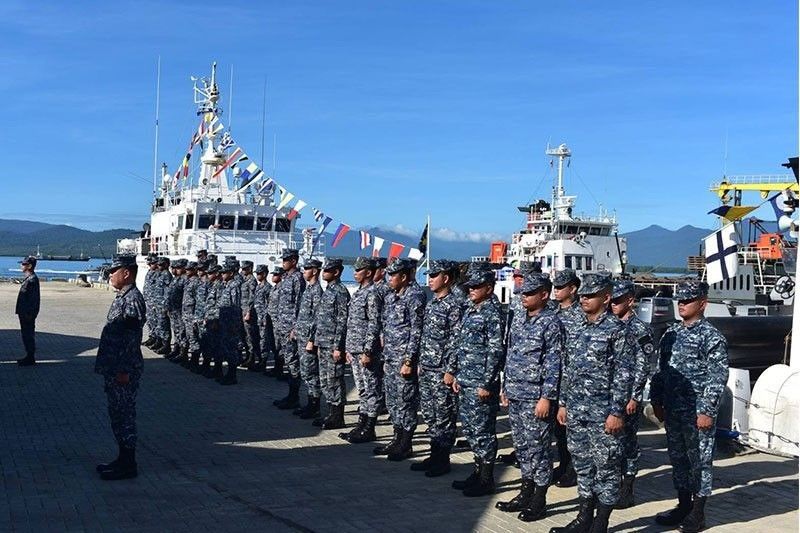
“U.S. Marines Kick Off Kamandag 10 Exercise in the Philippines” — USNI News
The distinction is critical for a comprehensive defense strategy. The naval exercises ensure the sea lanes remain open, while Kamandag ensures that the coastlines are secure. Together, these activities create a layered defense strategy that covers the entire maritime-terrestrial spectrum.
Comparing Naval MCAs and Kamandag Exercises
The Maritime Cooperative Activities (MCAs) are generally smaller, more frequent, and more agile. They function as “touch-and-go” exercises to keep skills sharp. In contrast, Kamandag is a larger, more structured annual event that involves deeper integration of ground forces and specialized training in rugged terrain.
What are the common misconceptions about these joint exercises?
A frequent oversimplification is that these exercises are purely offensive maneuvers. However, the reports from ABS-CBN and the Philippine News Agency suggest a more nuanced reality. A significant portion of the training—specifically the Coast Guard elements—is dedicated to non-combat roles.
Misconception: All exercises are aimed at preparing for a naval war.
Correction: According to ABS-CBN, the training between the PCG and USCG focuses on maritime security and law enforcement, which are essential for managing fisheries, combating piracy, and conducting search-and-rescue missions.
Misconception: These are one-off events.
Correction: The Philippine News Agency identifies this as the 4th MCA, indicating a scheduled, recurring pattern of engagement rather than a sudden reaction to a single incident.
What are the long-term implications of the PH-US maritime partnership?
The transition from occasional drills to frequent, multi-agency exercises suggests a deepening of the Mutual Defense Treaty between the two nations. By integrating the Navy, Coast Guard, and Marines, the partnership is moving toward a “whole-of-government” approach to maritime security.
The long-term goal is the creation of a sustainable security architecture in the West Philippine Sea. As the Philippine Navy and Coast Guard gain experience through these 6-day exercises, they become less dependent on U.S. assets for basic patrolling and more capable of independent operations, while still maintaining the U.S. as a primary security guarantor.
Observers note that the coordination of air and sea forces, as highlighted in the 4th MCA, allows the Philippines to better monitor its Exclusive Economic Zone (EEZ). This increased visibility is the first step in asserting sovereign rights over resources, including fisheries and potential undersea energy reserves.
For further context on the regional dynamics, you may find a related analysis on Indo-Pacific security trends useful.
Frequently Asked Questions
What is a Maritime Cooperative Activity (MCA)?
A Maritime Cooperative Activity is a series of joint exercises between the Philippine and U.S. navies. According to the Philippine News Agency, these activities are designed to enhance interoperability and ensure both forces can operate together effectively in the West Philippine Sea.
How long did the recent joint exercise last?
As reported by Philstar.com, the specific joint exercise involving Philippines and US ships lasted for six days.

What is the role of the Coast Guard in these exercises?
According to ABS-CBN, the Philippine Coast Guard and U.S. Coast Guard focus on maritime law enforcement and training that differs from the combat-oriented maneuvers of the navies, focusing instead on security and safety at sea.
What is Kamandag 10?
Kamandag 10 is an exercise involving U.S. Marines and Philippine forces. USNI News reports that it focuses on amphibious operations and land-based security, complementing the naval exercises held in the West Philippine Sea.
Why are these exercises held in the West Philippine Sea?
The exercises are held in this region to strengthen the partnership between the U.S. and the Philippines, maintain freedom of navigation, and provide a deterrent against instability in a strategically vital waterway.
