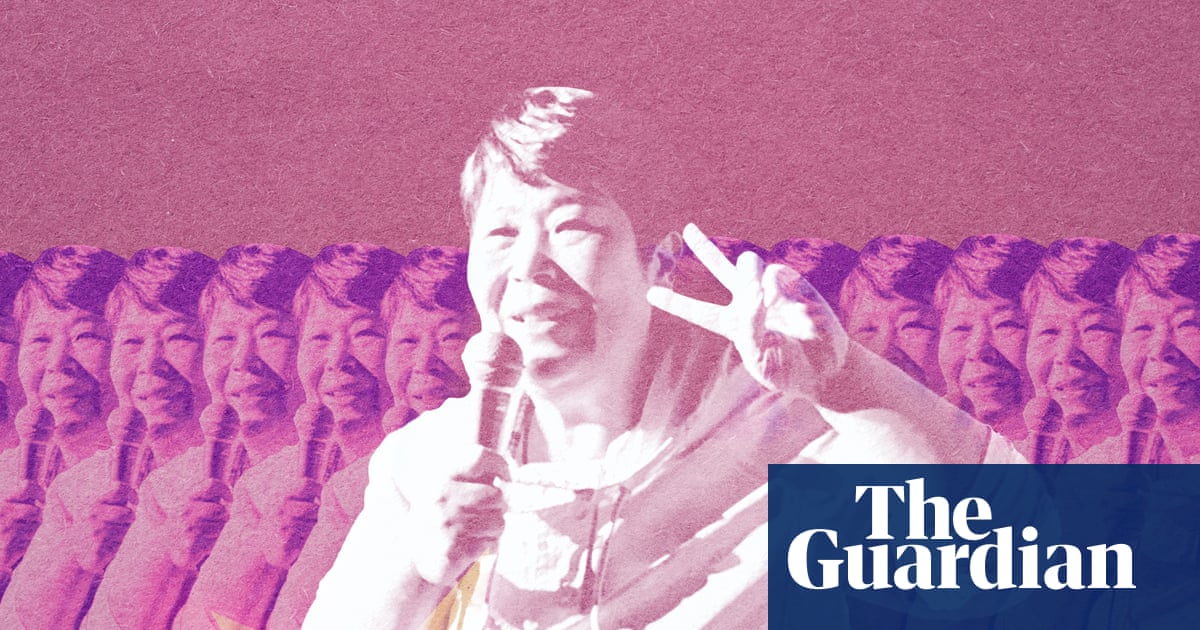
For Women in China Frustrated by Sexism, Female Comics Are Offering a Release – The Guardian
Women in China are increasingly turning to female-centric comics and digital art to process and critique systemic sexism. These creative outlets serve as a psychological release and a community hub for those facing workplace discrimination, rigid domestic expectations, and patriarchal social norms, according to reports on contemporary Chinese digital culture.
Why are female comics becoming a tool for resisting sexism in China?
The rise of female-led comics in China stems from a widening gap between the professional aspirations of women and the social realities they encounter. While women have achieved high levels of education and workforce participation, reports indicate that deep-seated patriarchal values continue to dictate domestic roles and career trajectories. For many, the act of drawing or sharing comics becomes a primary method of “venting” when traditional avenues of protest are unavailable or risky.
These comics often focus on the mundane but oppressive details of daily life. Common themes include the “invisible labor” of housework, the pressure to marry by a certain age, and the subtle ways women are sidelined in corporate environments. By transforming these frustrations into visual narratives, artists create a shared language of resistance. This process allows women to realize that their personal struggles are systemic rather than individual failures.
Key drivers of this trend include:
- Workplace Bias: The “marriage penalty” where women are viewed as liabilities due to potential maternity leave.
- Social Stigma: The persisting “left-over women” narrative used to shame unmarried women over 25.
- Digital Anonymity: The ability to publish under pseudonyms on social platforms to avoid direct professional or familial retaliation.
How do these artworks address specific societal pressures?
Contemporary female comics in China deviate from traditional storytelling by focusing on the “female gaze.” Instead of depicting women as passive objects of desire or secondary characters in a man’s journey, these works center on female interiority and autonomy. The narratives often highlight the absurdity of sexist expectations through satire and irony.
One frequent subject is the workplace “double standard.” Comics often depict scenarios where a man’s assertiveness is praised as leadership, while a woman’s identical behavior is labeled as “aggressive” or “emotional.” By illustrating these contradictions, artists provide a mirror to the absurdity of the situation, which serves as a form of emotional validation for the reader.
“Art becomes a space where the unspoken is made visible. When a woman sees a comic depicting her exact experience with a sexist boss, the isolation of that experience vanishes.”
Beyond the workplace, the comics tackle the “perfect daughter/wife” trope. They depict the exhaustion of balancing a full-time career with the expectation that women should manage all household chores and elder care. This visual documentation of burnout helps dismantle the myth that women are “naturally” better suited for domestic labor.
What role do digital platforms play in this creative movement?
The proliferation of these comics is inextricably linked to China’s digital ecosystem. Platforms like Weibo, WeChat, and specialized webcomic sites allow for the rapid dissemination of art. The “scroll” format of webcomics is particularly suited for short, punchy observations about sexism that can be consumed and shared quickly.
Digital platforms create “echo chambers” of support. When a comic about sexism goes viral, the comment sections often turn into support groups where women share their own stories. This transforms a static piece of art into a dynamic community conversation. The algorithmic nature of these platforms helps women find like-minded creators, building a decentralized network of feminist consciousness.
However, the digital nature of this movement also makes it vulnerable. Reports suggest that artists must often use coded language or metaphors to avoid censorship. This has led to a sophisticated visual shorthand where certain symbols or colors represent systemic oppression without explicitly naming political entities.
How does this trend contrast with traditional manhua tropes?
Traditional manhua (Chinese comics) and the broader “shoujo” influence often leaned heavily on romanticized versions of gender roles. These stories frequently featured “overbearing” male leads who “saved” or “tamed” the female protagonist. The power dynamic was almost always skewed toward the male character, reinforcing the idea that a woman’s ultimate fulfillment comes from a romantic partnership.
The new wave of female-centric comics actively subverts these tropes. The “hero” is often the woman herself, and the “conflict” is not a romantic misunderstanding but a systemic hurdle. In many of these works, romance is either absent or depicted as a secondary, sometimes burdensome, aspect of life.
| Feature | Traditional Manhua Tropes | Contemporary Feminist-leaning Comics |
|---|---|---|
| Central Conflict | Romantic tension/External villains | Systemic sexism/Internal growth |
| Female Role | Passive, needing rescue, emotional | Active, self-reliant, critical |
| Male Role | Protector, dominant, idealized | Flawed, often the source of friction |
| Goal | Marriage or romantic union | Autonomy, mental health, awareness |
This shift represents a broader cultural movement toward “independence” (独立 – dúlì). The focus has moved from how to be a “better” woman within a patriarchal system to how to survive and thrive despite it.
What are the risks and limitations of this artistic expression?
While these comics offer a release, they exist within a restrictive environment. The primary risk is censorship. Content that is deemed too provocative or that encourages “social instability” can be scrubbed from platforms. Artists face the constant threat of their accounts being banned, which not only silences their voice but also severs their connection to their community.
Furthermore, there is the risk of “slacktivism.” Some critics argue that while venting through art provides temporary emotional relief, it does not necessarily translate into structural political change. The “release” offered by the comics can act as a safety valve, letting off steam that might otherwise fuel more direct forms of activism.
There is also the challenge of the “digital divide.” While urban, educated women are the primary creators and consumers of this art, women in rural areas—who often face even more severe forms of sexism—may not have the same access to these digital communities or the tools to create their own.
Common Misconceptions About Chinese Feminist Art
- Misconception: This is a Western import.
Reality: While influenced by global feminism, the themes are deeply rooted in specific Chinese cultural pressures, such as filial piety and the “Three-Child Policy.” - Misconception: These artists are seeking to overthrow the government.
Reality: Most are seeking personal autonomy and an end to social discrimination in their private and professional lives. - Misconception: It is just “complaining.”
Reality: It is a form of sociological documentation that captures the lived experience of millions of women.
The broader social implications of the “comic release”
The emergence of these comics signals a shift in how gender is negotiated in China. For decades, the state narrative emphasized that women had already been “liberated” through workforce entry. However, the persistence of these comics suggests that legal equality has not translated into social equality.
The psychological impact of this movement is significant. By naming and illustrating sexism, artists are helping to eliminate “gaslighting”—the process where women are told that their experiences of discrimination are imaginary or exaggerated. When a comic captures a specific, nuanced instance of sexism, it provides a factual anchor for the reader’s experience.
This movement also creates a bridge to other forms of female solidarity. The shared experience of reading these comics often leads women to seek out feminist literature, legal advice regarding workplace rights, and supportive friendships that exist outside the traditional family structure.
As the social climate evolves, these artists continue to adapt. The use of irony and “absurdist” humor allows them to communicate complex critiques of gender roles while maintaining a degree of plausible deniability. This creative agility ensures that the conversation continues, even under pressure.
Frequently Asked Questions
What is the main goal of female comics focusing on sexism in China?
The primary goal is to provide an emotional and psychological release for women facing systemic sexism. These comics aim to validate female experiences, critique patriarchal norms, and build a community of support through shared visual narratives.
How do these comics handle censorship in China?
Artists often use pseudonyms, coded language, metaphors, and absurdist humor to bypass automated censorship filters. By avoiding explicit political keywords and focusing on “daily life” frustrations, they can often keep their work online longer.
Are these comics popular across all demographics in China?
They are most prevalent among urban, educated, and digitally connected women. While they are gaining traction, there is still a gap in reach to women in rural areas who may face different, often more severe, forms of gender-based oppression.
How do these works differ from traditional romance manhua?
Unlike traditional manhua, which often romanticize dominant male figures and passive female roles, these comics center on female autonomy, the “female gaze,” and the critique of societal expectations rather than the pursuit of romantic fulfillment.
Can these comics lead to real-world social change?
While they may not lead to immediate legislative changes, they foster “consciousness-raising.” By documenting sexism and building solidarity, they change how women perceive their own status and encourage them to seek support and autonomy in their personal lives.
The trajectory of this artistic movement suggests a growing demand for gender equity that exceeds the current social offerings. As women continue to use digital tools to map the boundaries of their frustration, the comics serve as both a map of the problem and a sanctuary for those navigating it. The persistence of this trend indicates that the desire for visibility and validation remains a powerful driver in the face of systemic constraints.
