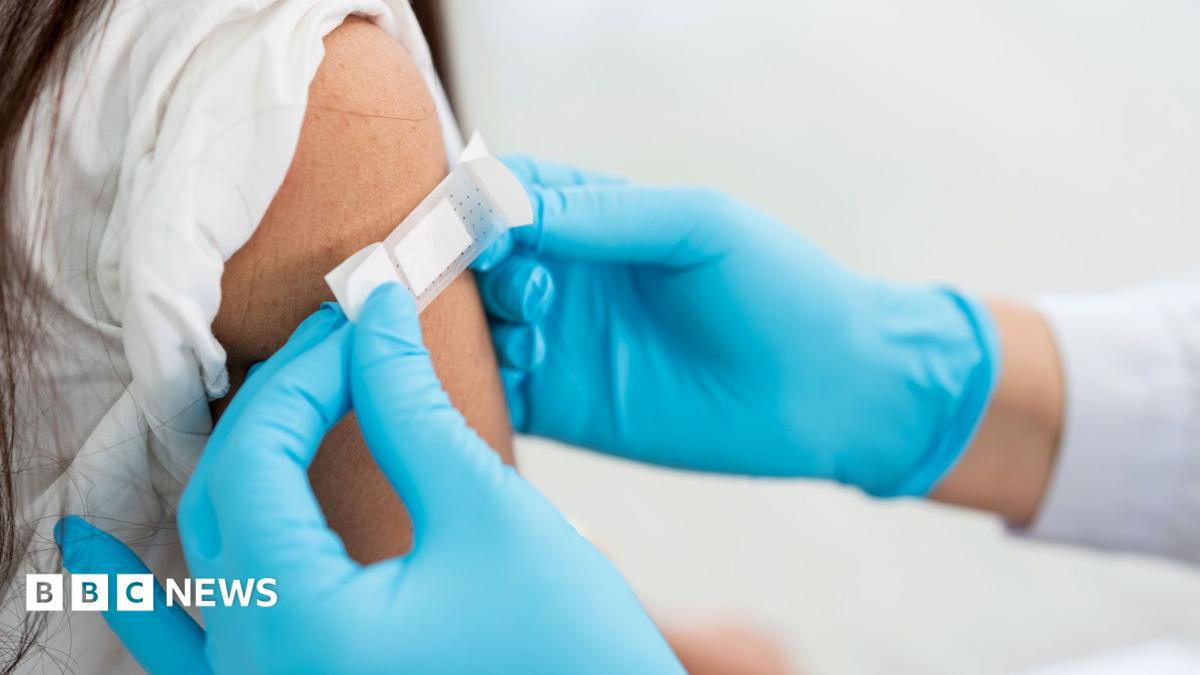
HPV Vaccine: Your Questions Answered as Cervical Cancer Deaths Fall to Zero in Women Under 24
Cervical cancer deaths in women under 24 have dropped to nearly zero following the widespread administration of the HPV vaccine, according to data reported by the BBC and other major news outlets. The vaccine reduces the risk of dying from cervical cancer before age 30 to almost zero by preventing the infections that cause the majority of these malignancies, reports The Guardian.
Why are cervical cancer deaths falling in women under 24?
The decline in mortality is attributed to the efficacy of the human papillomavirus (HPV) vaccine, which targets the virus responsible for nearly all cases of cervical cancer. According to reports from the BBC and Sky News, the vaccine prevents the high-risk strains of HPV from infecting the cervix, thereby stopping the development of precancerous lesions before they can turn into invasive cancer.
The vaccine works by triggering the immune system to produce antibodies that block the virus from entering cells. Because the vaccine is typically administered to children and young teenagers—well before they are exposed to the virus through sexual contact—it provides a preventative shield that lasts into adulthood. New Scientist reports that these deaths have “plummeted” because the most aggressive forms of the disease are being stopped at the viral stage.
- Targeted Prevention: The vaccine focuses on the most oncogenic (cancer-causing) types of HPV.
- Early Intervention: Administration in early adolescence ensures maximum protection before exposure.
- Herd Immunity: High uptake rates reduce the overall prevalence of the virus in the population.
How does the HPV vaccine reduce the risk of death before age 30?
The risk of dying from cervical cancer before age 30 is now “close to zero” for those who received the jab, according to Sky News. This is because the vaccine prevents the primary cause of the disease: persistent infection with high-risk HPV types, most notably HPV 16 and 18.
Cervical cancer typically develops over several years. When a person is unvaccinated, a persistent HPV infection can cause cellular changes in the cervix. If these changes are not caught during screening, they can progress to cancer. For vaccinated individuals, the virus is blocked from establishing that initial infection. The Guardian notes that this systemic prevention effectively removes the catalyst for the disease in the vaccinated cohort.
Medical data indicates that the vaccine’s protection is most robust when given at a young age. By the time women reach their 20s, those who were vaccinated as children show a dramatic reduction in the prevalence of the high-risk HPV strains that lead to the most lethal forms of cervical cancer.
What is the difference between the HPV vaccine and cervical screening?
While the vaccine prevents the cause of the cancer, screening detects the cancer or its precursors. According to health reporting from the BBC, these two interventions serve different but complementary roles in public health.
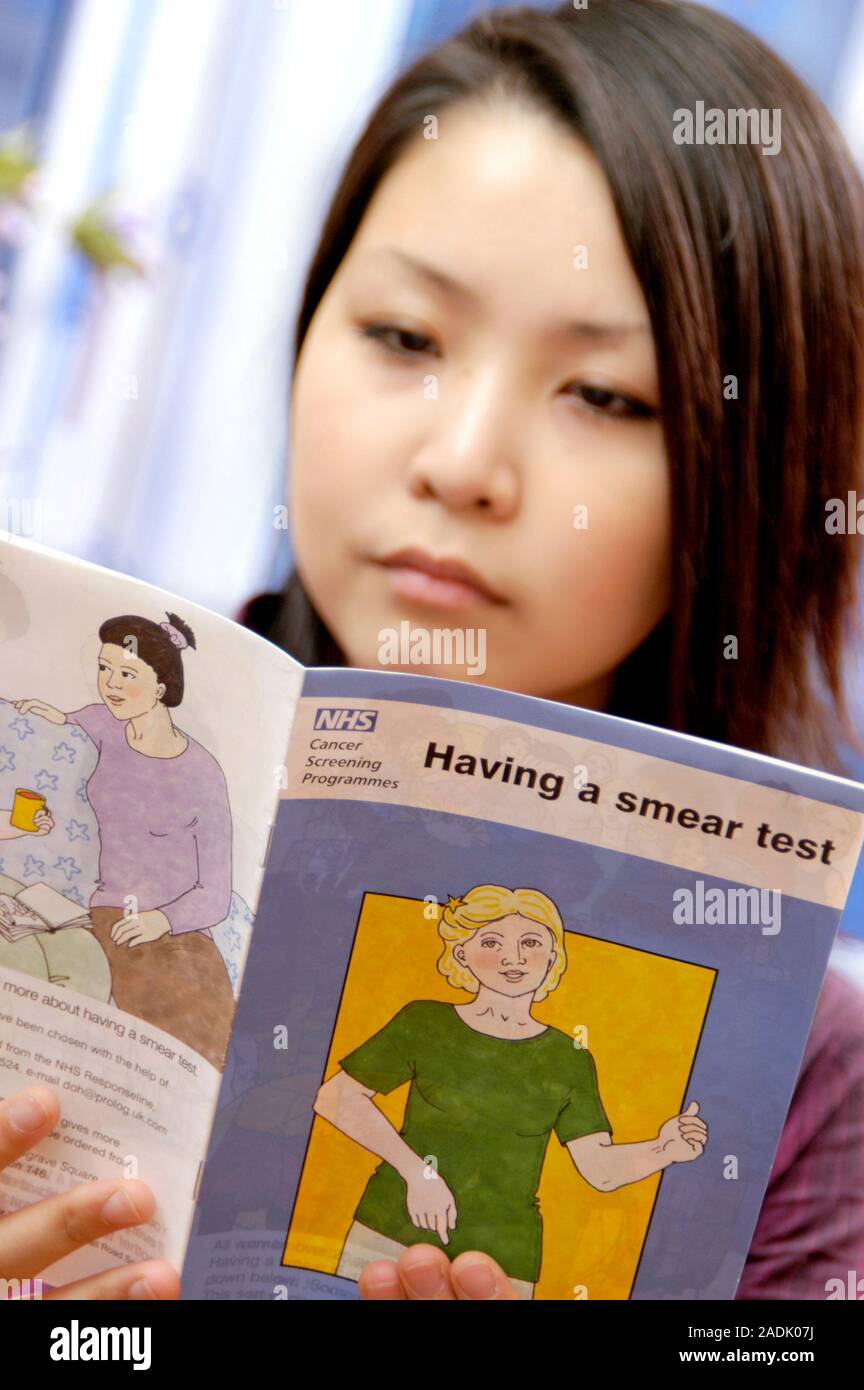
The HPV vaccine is a primary prevention tool. It stops the infection from occurring. Cervical screening—often referred to as a smear test—is a secondary prevention tool. It identifies abnormal cells or the presence of HPV in the cervix so that doctors can treat them before they become cancerous.
Experts emphasize that the vaccine does not replace the need for screening. While the vaccine covers the most common high-risk strains, it does not protect against every single type of HPV that can cause cancer. Therefore, regular screening remains a critical safety net for all women, regardless of their vaccination status.
| Feature | HPV Vaccine | Cervical Screening (Smear Test) |
|---|---|---|
| Purpose | Prevents HPV infection | Detects abnormal cells/HPV |
| Timing | Administered in early adolescence | Periodic checks throughout adulthood |
| Action | Stops cancer from starting | Catches cancer/precancer early |
| Scope | Targets specific high-risk strains | Screens the entire cervix for changes |
When was the HPV vaccine introduced and how has the program evolved?
The rollout of the HPV vaccination program began as a targeted effort to protect adolescent girls. Over time, the scope and delivery of the program have expanded to increase coverage and efficacy. According to reporting from the BBC and The Guardian, the program has shifted toward a more inclusive approach.
Initially, the vaccine was given in two doses. However, updated health guidelines in several regions have moved toward a single-dose schedule for younger age groups, based on evidence that one dose provides strong, long-lasting protection. This change simplifies the rollout and increases the likelihood of full completion among the target population.
Furthermore, many countries have expanded the program to include boys. This strategy aims to reduce the overall circulation of the virus in the community, providing indirect protection to women and preventing other HPV-related cancers, such as those affecting the throat or genitals in men.
Why is the “close to zero” death rate significant for public health?
The drop in deaths to nearly zero for women under 24 represents a rare instance where a vaccine has nearly eliminated a specific cause of cancer death in a particular age group. New Scientist characterizes this as a plummet in mortality that demonstrates the tangible success of preventative medicine.
This development provides a blueprint for the potential elimination of cervical cancer globally. According to the WHO-led global strategy, the goal is to reduce the incidence of cervical cancer to below 4 cases per 100,000 women. The results seen in the under-24 demographic suggest that high vaccination coverage, combined with effective screening and treatment, can make this goal a reality.
The significance also extends to the psychological and social impact. By removing the threat of a lethal disease from a young population, health systems can shift resources toward treating older populations who were not eligible for the vaccine in their youth.
“Children vaccinated for HPV have close to zero risk of dying from cervical cancer before age 30, study suggests.” — Sky News
What are the common misconceptions about the HPV vaccine?
Despite the data showing a near-total reduction in early deaths, several misconceptions persist. Health reports from the BBC and other outlets aim to clarify these points to maintain high vaccination rates.
Does the vaccine encourage early sexual activity?
There is no evidence to support the claim that receiving the HPV vaccine leads to earlier sexual debut or an increase in sexual partners. Data from clinical trials and long-term observational studies show that the vaccine’s administration does not alter behavioral patterns regarding sexual activity.
Is the vaccine only for girls?
No. While cervical cancer only affects those with a cervix, HPV causes other types of cancer in both men and women. This includes anal cancer and oropharyngeal (throat) cancer. Vaccinating boys reduces the reservoir of the virus, protecting both the boys themselves and their future partners.
Can you still get cancer if you are vaccinated?
While the risk is drastically reduced, it is not entirely eliminated. The vaccine targets the most common and dangerous strains (such as 16 and 18), but other less common high-risk strains exist. This is why medical professionals insist that related explainer on cervical screening remains necessary for everyone.
How do the reports from different outlets compare?
While the core fact—the plummeting death rate—is consistent across all sources, the framing varies slightly between outlets. The BBC focuses heavily on the “questions answered” aspect, positioning the news as an educational resource for parents and young women. The Guardian emphasizes the specific age threshold, noting the risk is nearly zero before age 30.
Sky News highlights the “children” aspect, stressing that the protection begins in childhood to be effective in adulthood. New Scientist takes a more scientific approach, focusing on the “plummet” of deaths as a data-driven success of the vaccine’s biological mechanism.
Collectively, these reports confirm a consensus: the vaccine is performing as intended, and the mortality data for the youngest cohort of women is an unprecedented success in oncology.
What is the long-term outlook for cervical cancer elimination?
The current data for women under 24 suggests that cervical cancer could become a disease of the past for future generations. However, this depends on three pillars of public health: vaccination, screening, and treatment.
For the vaccine to continue driving deaths toward zero, high uptake must be maintained. If vaccination rates drop due to misinformation, the prevalence of HPV could rise again. Additionally, the gap in access must be closed; while deaths are falling in countries with robust vaccination programs, women in lower-income regions still face high mortality rates due to a lack of vaccines and screening infrastructure.
The transition from “near zero” in a specific age group to “zero” across the entire population will require a global effort to ensure that every adolescent has access to the jab and every adult woman has access to regular screening.
HPV Vaccine Frequently Asked Questions
At what age should the HPV vaccine be administered?
According to health guidelines reported by the BBC, the vaccine is most effective when given before any exposure to the virus, typically in early adolescence (around age 11 to 13). However, it can be administered to older adolescents and young adults.
How many doses of the HPV vaccine are needed?
While the original schedule required two or three doses, many health authorities have moved to a single-dose schedule for those under 15, as evidence suggests this provides sufficient long-term protection.
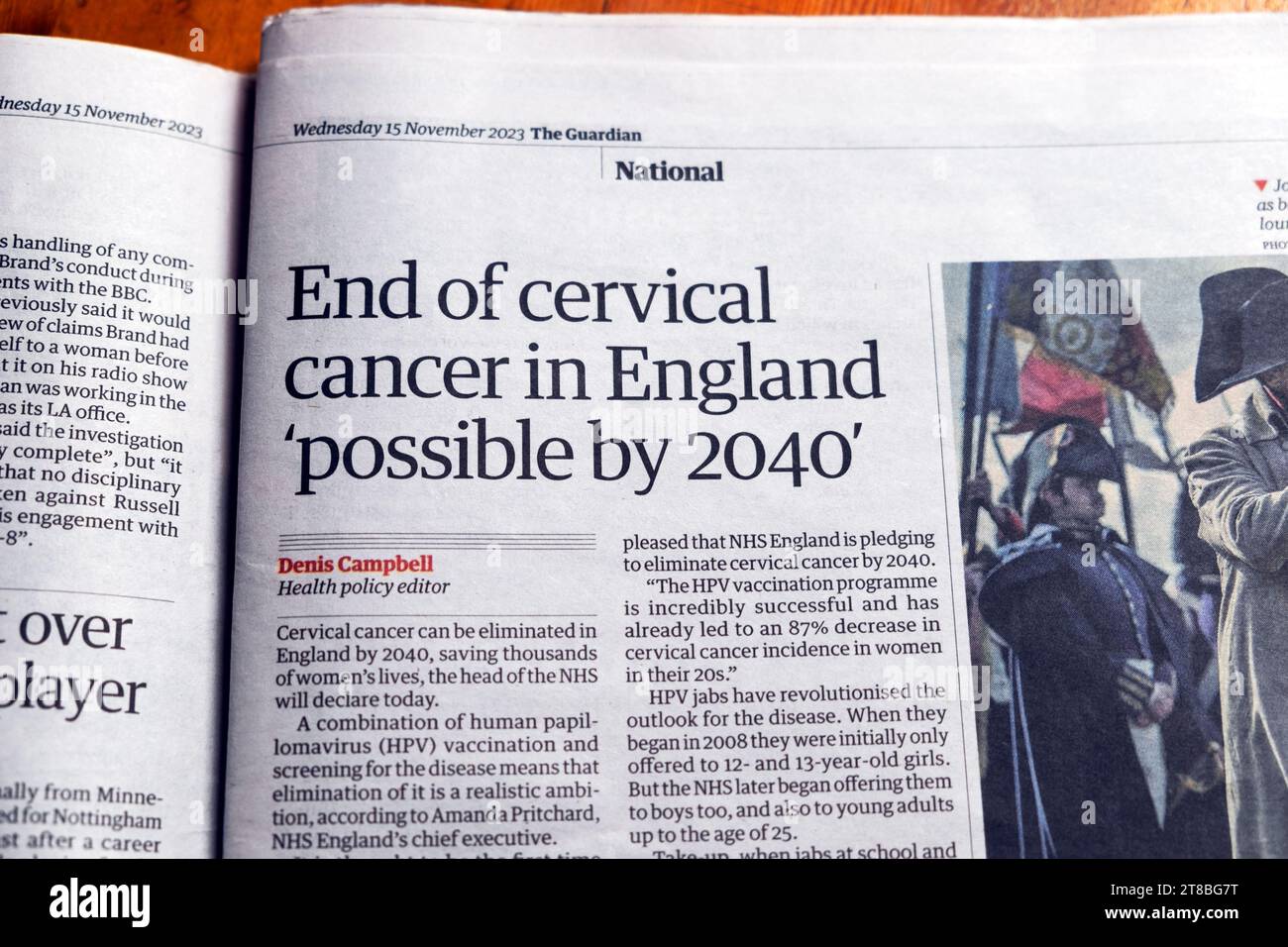
Does the HPV vaccine protect against all types of cervical cancer?
The vaccine protects against the most common high-risk types of HPV that cause the majority of cervical cancers. It does not protect against all possible strains, which is why regular cervical screening is still required.
Can adults who weren’t vaccinated as children still get the jab?
Yes, the vaccine is available for adults. While it is most effective when given before sexual activity begins, it can still provide protection against strains the individual has not yet encountered.
Is the HPV vaccine safe?
Yes. According to data from global health monitoring systems, the HPV vaccine has a strong safety profile and is monitored continuously by health agencies worldwide.
