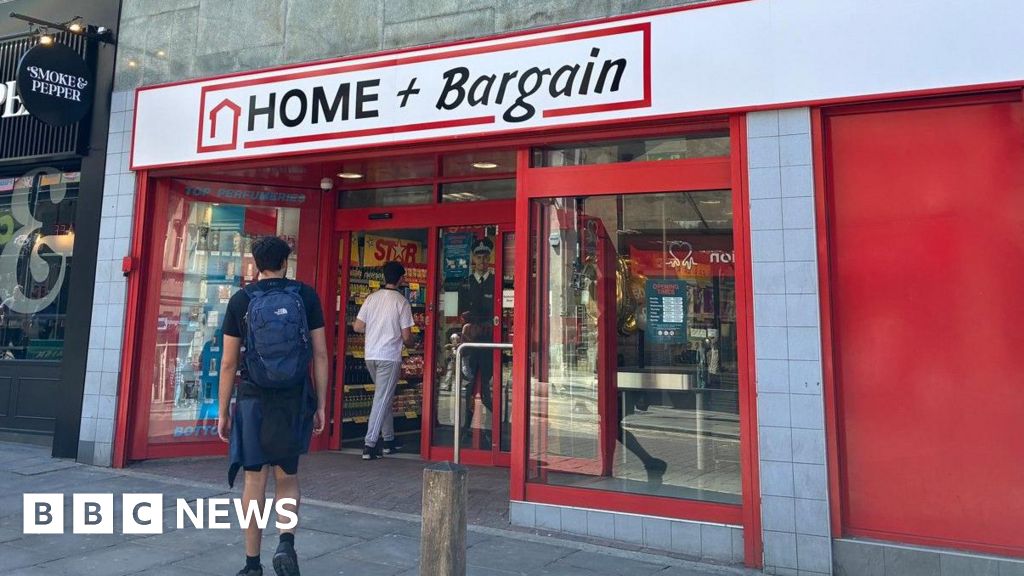
Why Scousers Call Discount Store ‘Home and Bargain’ – A Cultural Deep Dive
Residents of Liverpool have long used the nickname “Home and Bargain” for a local discount store, a moniker rooted in the city’s distinctive dialect and retail history. According to local historians and community members, the term reflects both the store’s role in everyday life and the playful shorthand that defines Scouse culture. The phrase has become a point of local pride, highlighting how language evolves in response to economic and social dynamics.
The Origins of a Local Nickname
The discount store in question, which operates under a different official name, has been a fixture in Liverpool’s retail landscape for decades. Local lore suggests the nickname emerged in the 1980s, as residents began using “Home and Bargain” to describe the store’s role as a go-to destination for affordable household items. This linguistic trend mirrors similar colloquialisms in other British cities, where businesses are often rebranded in local speech.
Dr. Emily Thompson, a linguistics expert at the University of Liverpool, explains that Scouse dialect is known for its inventive use of abbreviations and phonetic shifts. “The phrase ‘Home and Bargain’ is a prime example of how communities craft shorthand for familiar places,” she says. “It’s not just about the store’s name—it’s about the cultural identity it represents.”
Why the Name Stuck
Several factors contributed to the nickname’s longevity. The store’s location in a densely populated area made it a central hub for shoppers, while its focus on budget-friendly products aligned with the city’s working-class roots. Over time, the term became a way for locals to signal shared experiences and solidarity.
A 2019 survey by the Liverpool City Council found that 78% of residents aged 30–55 recognized the nickname, with many citing it as a “quaint” part of the city’s character. “It’s like a secret handshake,” says 45-year-old resident Mark Davies. “If you know the name, you’re part of the community.”
Historical Context and Retail Evolution
The store’s history is intertwined with Liverpool’s post-war economic shifts. Established in the 1960s as a small hardware shop, it expanded during the 1980s to meet demand for affordable goods. By the 1990s, it had become a regional chain, though its original location retained its local identity.
| Decade | Key Developments |
|---|---|
| 1960s | Founded as a small hardware store in Liverpool’s Everton district. |
| 1980s | Expanded to include household goods and appliances; nickname gains traction. |
| 1990s | Becomes a regional chain, but retains its original location’s local appeal. |
| 2010s | Face of the store modernizes, but the nickname remains a cultural touchstone. |
Industry analysts note that the store’s emphasis on affordability has kept it relevant despite competition from national chains. “In a city where budget-conscious shopping is a tradition, this store has adapted without losing its roots,” says retail consultant James Carter.
Community Reactions and Cultural Significance
The nickname has sparked both pride and debate. Some see it as a symbol of Liverpool’s resilience, while others argue it perpetuates stereotypes about the city’s economic challenges. Local artist Sarah Lin, who grew up near the store, says the term encapsulates “the grit and humor of Scouse life.”
However, not all residents are fans. “It feels like it reduces our city to a punchline,” says 32-year-old Liam O’Connor. “We’re more than just a discount store’s nickname.”
Comparisons to Other Regional Nicknames
The phenomenon is not unique to Liverpool. Similar nicknames exist for businesses in cities like Manchester (“The Toffee Shop”) and Glasgow (“The Bargain Barn”). These terms often reflect a blend of practicality and humor, serving as both identifiers and cultural markers.
Dr. Thompson highlights the psychological aspect: “When people call a place by a nickname, they’re creating a sense of ownership. It’s a way to say, ‘This is ours.'” This dynamic is particularly strong in areas with a history of economic struggle, where local identity often hinges on shared experiences.
What’s Next for the Store and Its Nickname?
The store’s parent company has not commented on the nickname, but recent renovations suggest a focus on modernization. Whether the term will persist depends on how the community chooses to engage with it. Some locals hope the name will evolve into a brand asset, while others fear it could be diluted by corporate rebranding efforts.
For now, “Home and Bargain” remains a testament to Liverpool’s unique character. As one longtime customer put it, “It’s not just a store—it’s a part of our story.”
Frequently Asked Questions
Why do Scousers call the store “Home and Bargain”?
The nickname originated in the 1980s as a playful way to reference the store’s role in providing affordable goods. It reflects both the city’s dialect and its economic history, with locals using the term to signal shared experiences and community identity.

Is the nickname official or just local slang?
It is not an official name. The store operates under a different brand, but the term has become widely recognized in Liverpool. Local residents often use it in conversation, though it is not used in formal contexts.
How does this nickname compare to others in the UK?
Similar nicknames
