Trump says US would do better without USMCA trade agreement – Reuters: What Potential Termination Means for North American Trade
Donald Trump has stated that the United States would be better off without the USMCA trade agreement, according to reports from Reuters and other major news outlets. Trump indicated a preference for the agreement—known as CUSMA in Canada—to be terminated or expire immediately, creating significant economic uncertainty as the deadline for a formal extension of the pact approaches.
Why is Donald Trump calling for the end of the USMCA?
According to Reuters, Donald Trump believes the United States would achieve better economic outcomes if it were not bound by the USMCA trade agreement. This position marks a shift in rhetoric regarding the deal he originally helped negotiate and sign during his first term in office. The former president has expressed a desire to see the agreement “terminated,” a sentiment echoed in reports from Global News.
The Toronto Star further specified that Trump would prefer the agreement, referred to in Canada as the Canada-United States-Mexico Agreement (CUSMA), to “expire immediately.” While the specific policy triggers for this preference were not detailed in the immediate reports, the rhetoric suggests a desire for more unilateral leverage in trade negotiations or a move toward different tariff structures.
Key points regarding Trump’s current stance include:
- Preference for Termination: A stated desire to end the agreement rather than maintain the status quo.
- Immediate Expiration: A preference for the deal to lapse quickly rather than following a slow wind-down.
- Economic Optimism: The claim that the U.S. economy would perform better without the constraints of the current tripartite deal.
When is the CUSMA extension deadline and why does it matter?
The USMCA contains a “sunset clause” that requires the three member nations to review and confirm their commitment to the agreement every six years. According to CTV News, the deadline for formally extending CUSMA is approaching, making the timing of Trump’s comments particularly sensitive for trade officials in Ottawa and Mexico City.
If the parties do not agree to extend the deal, the agreement could eventually lapse, potentially reverting trade relations to a pre-USMCA state or leading to the imposition of tariffs. The formal review process is designed to ensure the agreement remains relevant to current economic conditions, but it also provides a window for any member state to signal its intent to withdraw.
| Agreement Aspect | Detail | Implication of Expiration |
|---|---|---|
| Review Cycle | Every 6 years | Window for renegotiation or termination |
| Naming | USMCA (US/Mexico) / CUSMA (Canada) | Unified trade framework for North America |
| Current Status | Approaching extension deadline | High volatility in market expectations |
How are Canadian officials reacting to the threat of termination?
The prospect of a sudden trade rupture has triggered alarm among Canadian local and national figures. According to a report from CBC, the mayor of Sherbrooke, Quebec, has explicitly called for Mark Carney to “stand up to Trump” before the CUSMA deadline arrives. This call reflects a growing anxiety in regions heavily dependent on cross-border trade, particularly in manufacturing and agriculture.
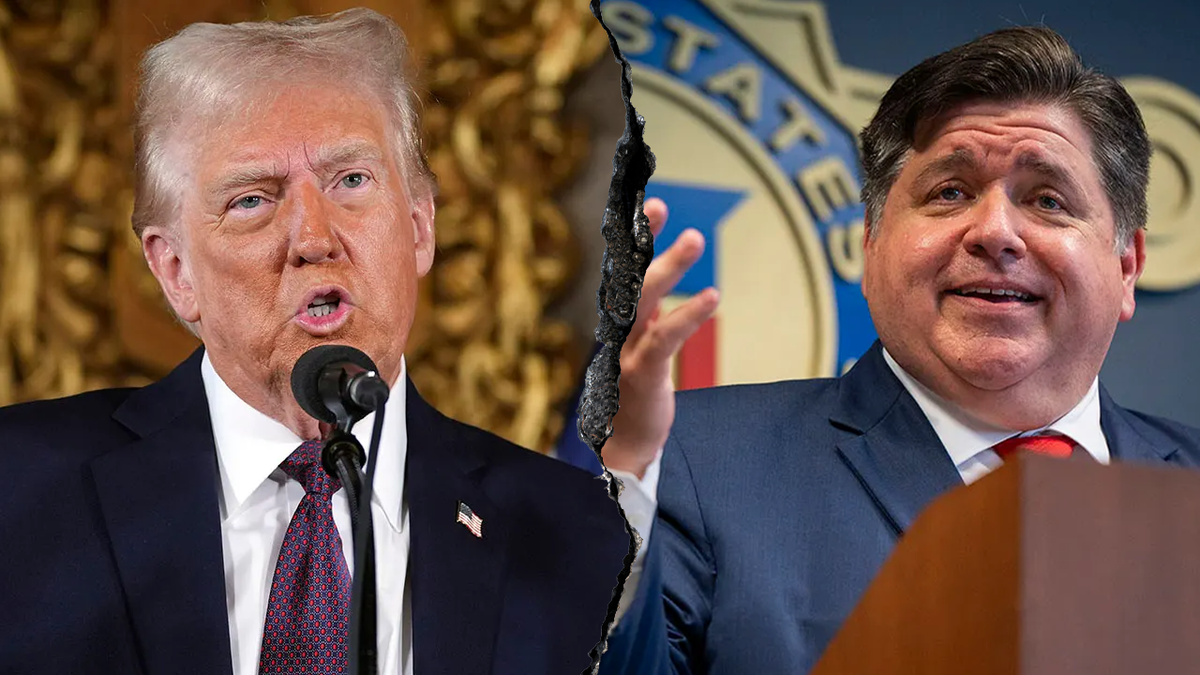
The mention of Mark Carney suggests that Canadian political and economic circles are looking for strong, experienced leadership to manage the potential volatility of a second Trump administration’s trade policy. The concern in Sherbrooke and similar hubs is that a lack of a firm diplomatic stance could leave Canadian industries vulnerable to sudden tariff hikes or the loss of preferential market access.
“The mayor of Sherbrooke, Que., calls for Carney to stand up to Trump before CUSMA deadline.” — CBC
What is the difference between USMCA and CUSMA?
While the terms are often used interchangeably in global news, the distinction is primarily geographic and political. The agreement is known as the United States-Mexico-Canada Agreement (USMCA) in the U.S. and Mexico. In Canada, it is officially known as the Canada-United States-Mexico Agreement (CUSMA).
Despite the different names, it is the same legal document. It replaced the North American Free Trade Agreement (NAFTA) in 2020. The agreement governs everything from automotive rules of origin—which dictate how much of a vehicle must be made in North America to qualify for zero tariffs—to dairy market access and digital trade regulations.
Because the agreement is a single treaty, any move to “terminate” it, as suggested by Trump according to Global News, would apply to all three partners simultaneously. There is no mechanism to terminate the “USMCA” portion while keeping the “CUSMA” portion intact.
Comparison of Trade Agreement Rhetoric
The way the potential end of the agreement is framed varies slightly across reports, highlighting different nuances of Trump’s approach:
- Reuters focuses on the comparative outcome, reporting that Trump believes the US would “do better” without the deal.
- Global News focuses on the action, reporting a preference for the deal to be “terminated.”
- The Toronto Star focuses on the timeline, reporting a preference for the deal to “expire immediately.”
What would happen if the USMCA/CUSMA actually expired?
The immediate expiration of the agreement would create a legal vacuum for thousands of companies that rely on “just-in-time” supply chains across North American borders. While the World Trade Organization (WTO) provides a baseline for global trade, the USMCA provides much deeper preferences and lower tariffs than WTO rules.
Potential consequences include:
- Automotive Disruptions: Parts often cross the US-Canada or US-Mexico borders multiple times before a vehicle is finished. The loss of USMCA rules could lead to immediate tariffs on every crossing.
- Agricultural Volatility: Canada’s dairy and poultry sectors, and Mexico’s produce exports, are governed by specific quotas and rules within the agreement. Expiration could lead to trade wars in food products.
- Investment Uncertainty: Corporations often invest in plants in Mexico or Canada based on the legal certainty provided by the trade pact. Termination would likely freeze new foreign direct investment.
For more information on how trade deals impact local economies, see our related explainer on North American supply chain logistics.
Understanding the geopolitical stakes for Mexico and Canada
For Mexico and Canada, the USMCA is not just a trade deal but a cornerstone of their national economic security. The U.S. is the primary trading partner for both nations. According to the reporting from CTV and CBC, the anxiety surrounding the deadline is rooted in the imbalance of power; the U.S. economy is large enough to sustain a trade war longer than its neighbors could.
The call for Mark Carney to intervene, as reported by CBC, underscores a belief that the technicalities of the agreement are less important than the political relationship between the leaders. If the U.S. views the agreement as a hindrance rather than a benefit, the legal protections of the “sunset clause” may not be enough to prevent aggressive tariff policies.
Common Misconceptions About Trade Termination
Misconception: If the USMCA expires, all trade stops.
Correction: Trade does not stop, but it becomes more expensive. Companies would have to pay “Most Favored Nation” (MFN) tariffs under WTO rules, which are higher than the zero or low tariffs provided by USMCA.
Misconception: The U.S. can unilaterally end the deal without notice.
Correction: The agreement has specific protocols for withdrawal. However, as reported by the Toronto Star and Global News, Trump’s expressed preference for “immediate” expiration suggests a desire to bypass lengthy transitions.
Frequently Asked Questions
Did Trump not sign the USMCA himself?
Yes, Donald Trump negotiated and signed the USMCA during his first presidency to replace NAFTA. However, according to recent reports from Reuters and Global News, he now believes the U.S. would be better off without it.
What is the CUSMA deadline?
As reported by CTV News, there is a formal deadline for the member nations to review and extend the agreement. This review occurs every six years to ensure the pact remains effective.
Who is Mark Carney and why is he mentioned?
Mark Carney is a former Governor of the Bank of England and the Bank of Canada. According to CBC, the mayor of Sherbrooke has called for Carney to take a leadership role in standing up to Trump’s trade threats before the CUSMA deadline.
What happens to cars and food if the agreement ends?
Most automotive parts and many agricultural products would lose their duty-free status. This would likely increase the cost of vehicles and food for consumers in all three countries due to the imposition of tariffs.
Is the USMCA the same as NAFTA?
No. The USMCA (or CUSMA) is the successor to NAFTA. It updated rules on digital trade, labor laws, and automotive content requirements to reflect the modern economy.
As the formal extension deadline approaches, the tension between the desire for North American integration and the push for U.S. unilateralism continues to grow. The statements reported by Reuters and other outlets signal that the next review period may be the most contentious in the history of North American trade.
