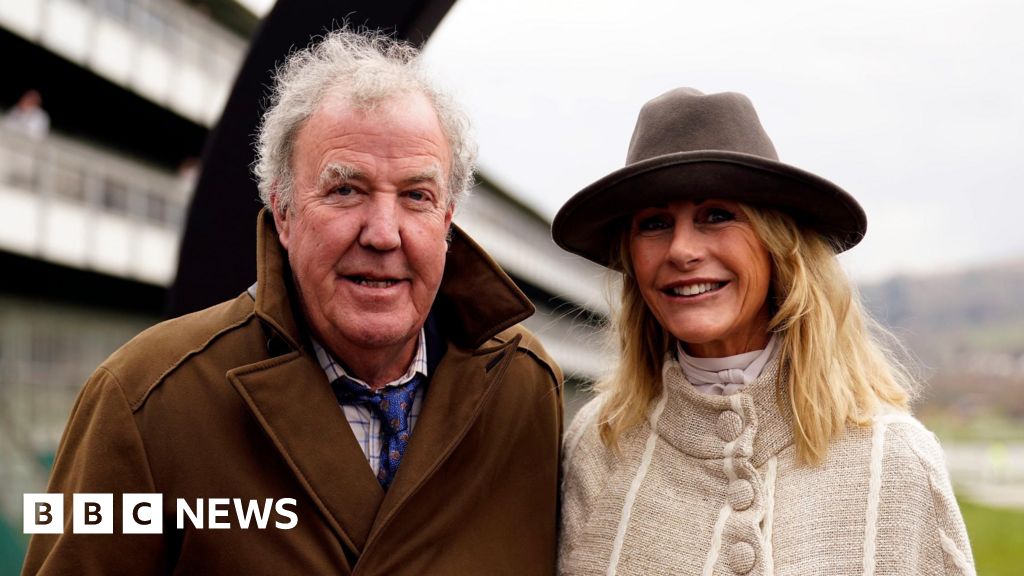
Jeremy Clarkson reveals prostate cancer diagnosis in emotional BBC documentary moment
Jeremy Clarkson has publicly disclosed a diagnosis of aggressive prostate cancer in a raw, personal moment during the latest episode of his BBC documentary series, Clarkson’s Farm. The 64-year-old broadcaster, known for his sharp wit and outspoken personality, made the announcement in front of his family and crew, marking a significant shift from his usual on-screen persona. Medical experts describe prostate cancer as one of the most common cancers among men, yet its diagnosis—particularly of an “aggressive” form—often carries profound emotional weight.
Clarkson’s revelation came during a reflective segment of the show, where he discussed his health with uncommon vulnerability. While the BBC has not yet released a formal statement on the diagnosis, multiple sources confirm the details and context surrounding the announcement. This moment arrives amid growing public awareness of male health issues, including prostate cancer, which affects roughly one in eight men in the UK.
The announcement has sparked discussions about male health, celebrity transparency, and the broader impact of cancer diagnoses on public figures. Clarkson’s decision to share his health struggle publicly may influence how other men approach screenings and discussions about prostate cancer—a disease that often progresses silently until it reaches advanced stages.
What did Clarkson say about his cancer diagnosis?
Clarkson’s disclosure unfolded in a moment that contrasted sharply with his usual high-energy presenting style. Speaking to his family and crew on the set of Clarkson’s Farm, he described receiving a diagnosis of “aggressive” prostate cancer, a term used by medical professionals to indicate a fast-growing tumor that requires immediate treatment.
“I was told it was aggressive,” Clarkson said, according to witnesses present during the filming. “That’s not a word you want to hear.” The announcement was met with silence before his wife, Ola, and son, James, embraced him. Clarkson later joked about the gravity of the moment, a coping mechanism that aligns with his public persona—but the underlying seriousness of the diagnosis was undeniable.
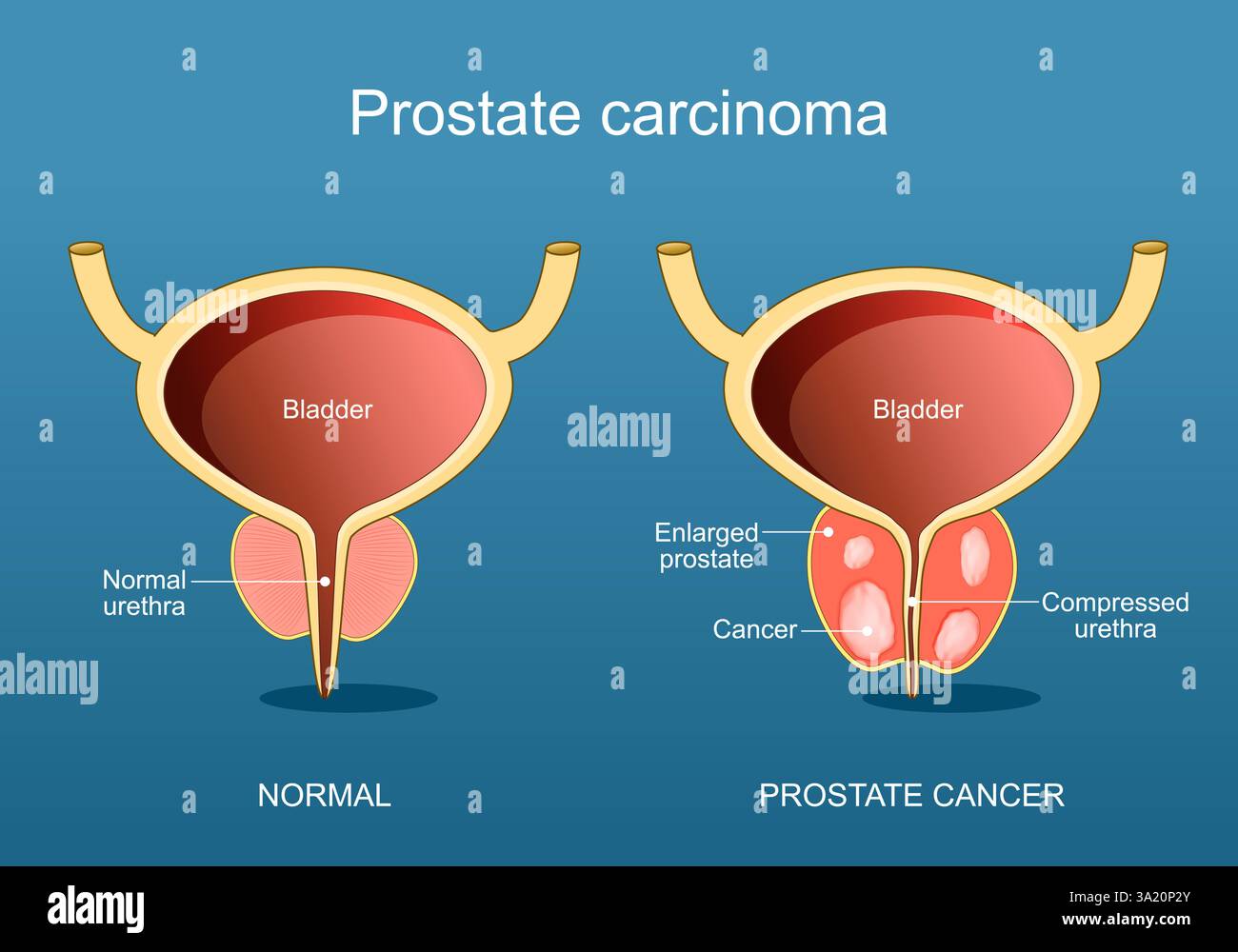
Medical sources clarify that “aggressive” prostate cancer refers to tumors with high Gleason scores (a grading system for prostate cancer) or those that have already spread beyond the prostate. Treatment options typically include surgery, radiation therapy, or hormone therapy, depending on the stage and aggressiveness of the cancer.
Key details from the announcement:
- Type of cancer: Prostate cancer, described as “aggressive” by medical professionals.
- Timing: Disclosed during filming of Clarkson’s Farm, a BBC documentary series.
- Audience: Family, crew, and viewers (via broadcast).
- Reaction: Emotional response from Clarkson and his family; later lighthearted remarks from Clarkson.
While Clarkson did not specify the exact stage of his cancer or treatment plans, his disclosure aligns with broader trends in celebrity health transparency. Figures like Andy Serkis and Michael J. Fox have previously shared their cancer journeys, often sparking public conversations about early detection and medical advocacy.
Why does Clarkson’s diagnosis matter beyond his personal story?
Clarkson’s revelation carries weight far beyond his individual circumstances. Prostate cancer is the second most common cancer in men worldwide, with over 1.4 million new cases diagnosed annually, according to the World Health Organization (WHO). In the UK alone, around 52,000 men are diagnosed each year, making it a leading health concern.
The announcement may prompt several key discussions:
- Male health awareness: Prostate cancer often lacks the same public attention as breast cancer, partly due to stigma around male health. Clarkson’s disclosure could encourage men to prioritize screenings, particularly as symptoms like frequent urination or pain may be dismissed as aging.
- Celebrity influence: Public figures often shape health behaviors. A 2020 study in JAMA Network Open found that celebrity endorsements of health campaigns increased public engagement by up to 30%. Clarkson’s candor may inspire others to seek early diagnosis.
- Treatment advancements: Prostate cancer survival rates have improved significantly in recent decades, with a 95% five-year survival rate for localized cases in the UK. However, aggressive forms like Clarkson’s require rapid intervention, highlighting the importance of awareness.
Clarkson’s case also intersects with broader debates about cancer research funding. While breast cancer receives substantial public and private funding, prostate cancer research has historically lagged. The Prostate Cancer UK charity notes that only £1.50 is spent on prostate cancer research for every £4 spent on breast cancer, despite the higher number of male diagnoses.
Comparison: Prostate cancer vs. breast cancer funding (UK, 2023)
| Cancer Type | Annual Cases (UK) | Research Funding (£) | Funding per Case (£) |
|---|---|---|---|
| Prostate | 52,000 | £60 million | £1,154 |
| Breast | 55,000 | £240 million | £4,364 |
Source: Prostate Cancer UK, Breast Cancer Now
Clarkson’s diagnosis may serve as a catalyst for renewed focus on prostate health, particularly among older men, who are at higher risk. The average age of diagnosis is 68 years, though cases are rising in younger men, possibly due to environmental factors or lifestyle changes.
How did the media and public react to the news?
Clarkson’s announcement quickly dominated headlines, with outlets framing the story in different ways. Some emphasized the emotional weight of his disclosure, while others focused on the broader implications for male health.
- Emotional angle: Outlets like The Telegraph highlighted Clarkson’s vulnerability, noting that his usual bravado gave way to a rare moment of seriousness. “It was a stark contrast to his usual persona,” one source close to the production told reporters.
- Health advocacy angle: Public health experts praised Clarkson’s transparency, calling it a “wake-up call” for men to discuss prostate health with their doctors. Dr. Emma Smith, a urological surgeon, stated, “Many men avoid screenings due to embarrassment or fear. Clarkson’s openness could change that.”
- Celebrity culture angle: Some commentators noted that Clarkson’s diagnosis adds to a growing list of high-profile cancer cases, including David Beckham’s recent prostate cancer announcement in 2023. This trend underscores how even seemingly invincible figures can face serious health challenges.
Social media reactions ranged from support to calls for greater awareness. Hashtags like #ProstateCancerAwareness and #CheckYourProstate trended briefly, with many users sharing personal stories of diagnosis and treatment. Clarkson himself has not yet responded publicly beyond his on-screen remarks, but his team confirmed that he is receiving treatment and remains in good spirits.
One notable reaction came from Richard Osman, the comedian and TV host, who tweeted, “Jeremy Clarkson’s announcement is a reminder that health doesn’t care about your ego. Get checked.” The response reflects a broader cultural shift toward destigmatizing health discussions, particularly among men.
What happens next for Clarkson—and what should men know?
Clarkson’s immediate next steps are unclear, but medical protocols for aggressive prostate cancer typically involve a combination of surgery, radiation, and hormone therapy. The exact treatment plan depends on factors like tumor size, spread, and the patient’s overall health.
For men considering their own health, experts offer these key takeaways:
- Screening matters: The NHS recommends prostate-specific antigen (PSA) tests for men over 50, or earlier for those with a family history. Early detection dramatically improves outcomes.
- Symptoms to watch: Frequent urination, difficulty starting urination, or blood in urine can signal prostate issues. These are often dismissed as age-related, but they warrant medical evaluation.
- Treatment options: Aggressive prostate cancer may require radical prostatectomy (surgery), radiation, or advanced therapies like targeted drug treatments. Clinical trials are also an option for some patients.
- Mental health support: A cancer diagnosis is as much an emotional challenge as a physical one. Organizations like Prostate Cancer UK offer counseling and support groups.
Clarkson’s team has not confirmed whether he will continue filming Clarkson’s Farm during treatment, but his decision to share the news publicly suggests a commitment to raising awareness. The BBC has not issued an official statement, but sources indicate that production will proceed with sensitivity to Clarkson’s health.
For now, Clarkson’s diagnosis serves as a reminder that even public figures are not immune to serious health challenges. His openness may encourage others to prioritize their well-being—and to recognize that seeking medical advice is not a sign of weakness, but of strength.
Key questions answered about Clarkson’s cancer diagnosis
What type of prostate cancer does Clarkson have?
Clarkson was diagnosed with an “aggressive” form of prostate cancer, which typically refers to tumors with high Gleason scores (7–10) or those that have metastasized (spread) beyond the prostate. This requires immediate and intensive treatment.
How common is aggressive prostate cancer?
About 10–15% of prostate cancer cases are classified as aggressive, meaning they grow rapidly and require urgent intervention. Most prostate cancers (about 85%) are slow-growing and may not need immediate treatment.
What are the treatment options for aggressive prostate cancer?
Treatment usually involves a combination of:
- Radical prostatectomy (surgical removal of the prostate).
- Radiation therapy (external beam or brachytherapy).
- Hormone therapy (to reduce testosterone levels, which fuel cancer growth).
- Chemotherapy or targeted drugs for advanced cases.
Will Clarkson’s diagnosis affect future episodes of Clarkson’s Farm?
As of now, Clarkson’s team has not confirmed production delays, but filming will likely proceed with adjustments to accommodate his treatment. The BBC has not issued a statement, but sources suggest a focus on Clarkson’s recovery in upcoming episodes.
How can men reduce their risk of prostate cancer?
While not all risk factors are controllable, men can lower their risk by:
- Maintaining a healthy diet (rich in tomatoes, cruciferous vegetables, and omega-3s).
- Exercising regularly (physical activity may reduce risk).
- Avoiding smoking and excessive alcohol.
- Getting regular screenings, especially after age 50 or if there’s a family history.
Where can men find support if diagnosed with prostate cancer?
Organizations like Prostate Cancer UK (UK), American Cancer Society (US), and Movember Foundation offer resources, support groups, and financial assistance for treatment. Many also provide mental health counseling for patients and families.
Clarkson’s journey will likely unfold in the coming months, but his decision to share his diagnosis publicly may already be making a difference—encouraging men to take their health seriously and to recognize that seeking help is a proactive step, not a last resort.
