
Australia News LIVE: Strait of Hormuz to Open, Post-Budget Economic Pessimism, and Expanded Shark Drone Deployment
Australia is monitoring the reopening of the Strait of Hormuz to stabilize global energy markets, while domestic sentiment shifts toward economic pessimism following the latest federal budget. Simultaneously, authorities are expanding the use of shark-detecting drones across coastal regions following a recent attack, according to reports from The Age.
Why the Reopening of the Strait of Hormuz Impacts Australia
The Strait of Hormuz is the world’s most important oil transit chokepoint. Reports indicate the waterway is set to open or return to normal operations, a development that carries significant weight for Australian fuel prices and global trade stability. According to maritime logistics data, approximately one-fifth of the world’s total oil consumption passes through this narrow stretch of water between Oman and Iran.
For Australia, the primary concern is not the direct import of crude oil, but the cost of refined petroleum products. Most of Australia’s fuel is imported from refineries in Singapore and South Korea. These refineries rely heavily on crude oil flowing through the Strait of Hormuz. When the Strait is threatened or closed, global Brent crude prices typically spike, leading to a “trickle-down” effect at Australian pumps within weeks.
The Geopolitical Stakes of the Waterway
Tensions in the Persian Gulf often manifest as threats to close the Strait. International observers note that any disruption here triggers immediate volatility in the commodities market. Australia’s reliance on open sea lanes for its export-led economy makes it sensitive to any instability in major global chokepoints. A stable Strait of Hormuz ensures that shipping insurance premiums remain manageable for tankers, preventing a secondary spike in transport costs.
Key factors influencing the current status of the Strait include:
- Global Energy Security: The movement of millions of barrels of oil per day.
- Shipping Insurance: “War risk” premiums that increase when the waterway is contested.
- Refinery Inputs: The availability of feedstock for Asian refineries that supply the Indo-Pacific.
Economic Ripple Effects on Australian Consumers
Economists suggest that energy price volatility acts as a hidden tax on consumers. When oil prices rise due to Hormuz tensions, the cost of transporting goods increases. This contributes to “cost-push inflation,” where the price of groceries and consumer goods rises because the fuel used to move them has become more expensive. The reopening of the Strait is viewed as a necessary step to dampen these inflationary pressures.
| Impact Factor | During Closure/Tension | After Reopening |
|---|---|---|
| Global Oil Prices | Rapid Increase (Volatility) | Stabilization/Gradual Decline |
| Shipping Costs | Higher Insurance Premiums | Standardized Freight Rates |
| Australian Petrol | Upward Pressure at Pumps | Potential for Price Relief |
How Post-Budget Economic Pessimism is Affecting Australia
Australia is experiencing a wave of economic pessimism following the release of the federal budget. While the government may highlight surpluses or targeted spending, a growing segment of the population and various financial analysts report a disconnect between official figures and the daily reality of the cost-of-living crisis. This sentiment is often termed “post-budget pessimism,” where the measures introduced fail to outweigh the perceived burden of inflation and interest rates.

The current economic climate is defined by a struggle between the federal government’s fiscal policy and the Reserve Bank of Australia’s (RBA) monetary policy. While the budget aims to manage spending to avoid fueling inflation, the RBA has maintained high cash rates to bring inflation back within the 2-3% target range. This creates a “squeeze” on households, particularly those with variable-rate mortgages.
The Drivers of Consumer Pessimism
According to consumer sentiment surveys, the pessimism is rooted in several concrete factors. First is the persistence of high grocery and rental prices. Second is the feeling that budget tax cuts, while welcome, are insufficient to cover the increased cost of basic utilities. Third is the uncertainty regarding future employment stability in a slowing economy.
Industry analysts point to a few specific areas where the budget has failed to quell anxiety:
- Housing Affordability: Despite new initiatives, the gap between median house prices and average incomes continues to widen.
- Interest Rate Lag: The delayed impact of previous RBA hikes is only now hitting the full force of many fixed-rate mortgage renewals.
- Real Wage Growth: While nominal wages are rising, they have struggled to keep pace with the actual cost of living.
“The psychological impact of a budget often outweighs the mathematical impact. If the public perceives that the government is prioritizing the balance sheet over the household budget, pessimism becomes the dominant narrative.”
Comparing Fiscal Goals vs. Household Reality
There is a marked contrast in how the budget is framed by the treasury versus how it is experienced by the public. The government focuses on “fiscal responsibility” and reducing the deficit. However, for the average citizen, the primary metric of success is the “disposable income” left after paying for rent, electricity, and food. When these two perspectives clash, the result is a decline in consumer confidence, which can lead to reduced spending and further economic slowing.
To understand this better, one can look at the related explainer on inflation and interest rates to see how the RBA’s goals often conflict with short-term budget relief measures.
The Expansion of Shark Drone Surveillance After Recent Attacks
Following a shark attack that has heightened public anxiety, authorities are expanding the deployment of autonomous shark-detecting drones. These drones, which utilize artificial intelligence and high-resolution imagery, are designed to monitor beaches in real-time and alert lifeguards and swimmers to the presence of large predators.
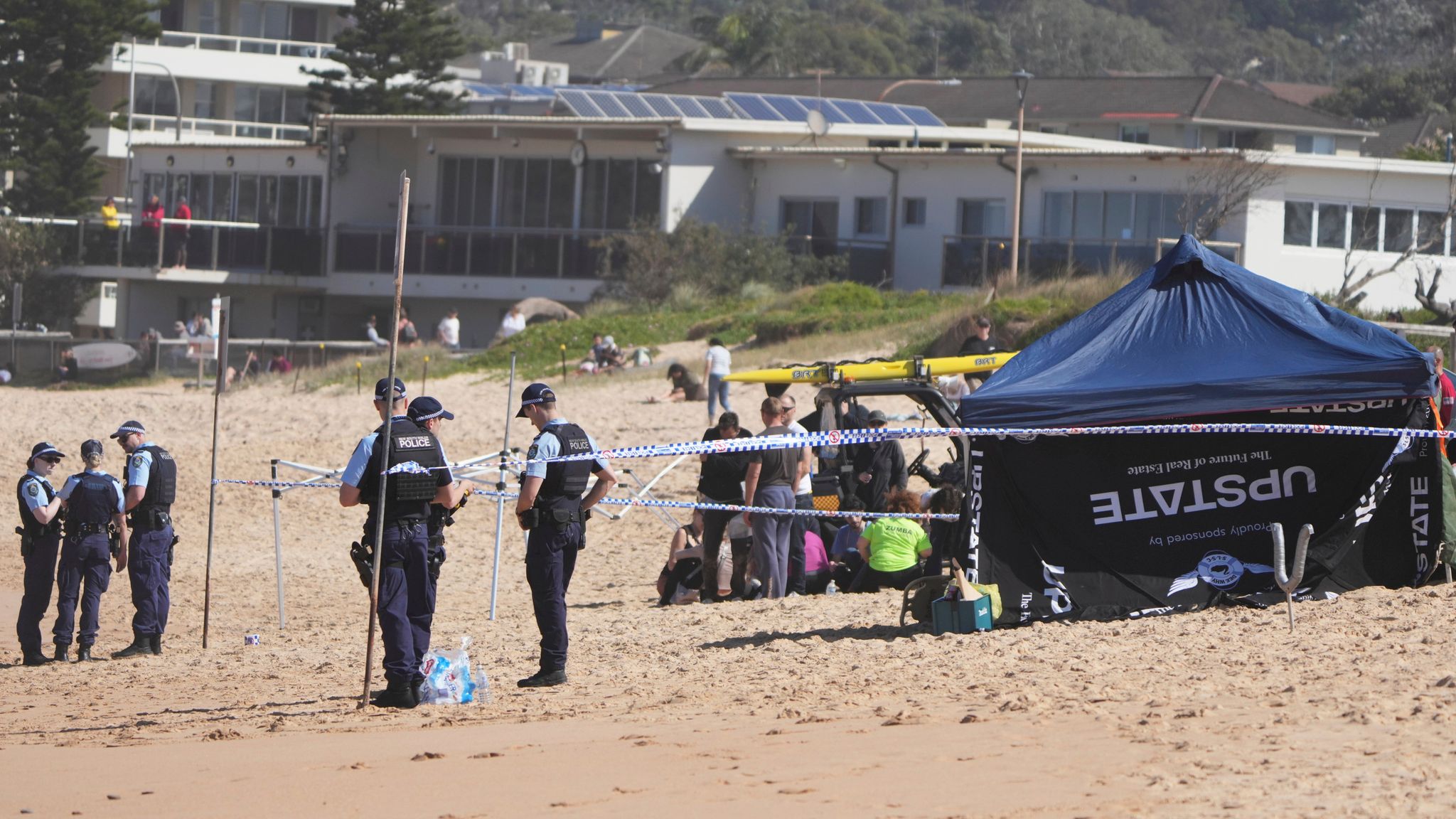
The expansion comes as a response to the inherent limitations of traditional beach patrols. Human lifeguards can only see so much from a tower, and traditional aircraft patrols are expensive and infrequent. Drones provide a persistent, cost-effective eye in the sky that can cover vast stretches of coastline with precision.
The Technology Behind the Drones
The drones used in these programs are not simple remote-controlled cameras. They employ sophisticated AI algorithms trained to distinguish between dolphins, whales, and sharks. Once a shark is identified, the system can categorize the species and estimate the size of the animal. This information is transmitted instantly to a ground control station, allowing lifeguards to make informed decisions about whether to clear the water.
The process generally follows this workflow:
- Aerial Survey: The drone flies a pre-programmed grid over the surf zone.
- AI Identification: On-board software scans for specific fin shapes and swimming patterns.
- Alert Trigger: A high-probability shark detection triggers an immediate alert to beach safety officers.
- Public Notification: Lifeguards use sirens, flags, or loudspeakers to warn swimmers.
Why the Program is Expanding Now
The catalyst for the current expansion is a recent attack that highlighted “blind spots” in existing surveillance. Public pressure for increased safety measures has led to increased funding for drone technology. Moreover, the cost of drone hardware has decreased while battery life and AI processing power have increased, making wide-scale deployment feasible for local councils and state governments.
However, some environmental advocates raise concerns about the impact of drones on marine wildlife. While the drones fly at altitudes that generally do not disturb sharks, there is ongoing debate about the long-term effect of constant surveillance on coastal ecosystems. Despite this, the priority for most coastal managers remains the immediate prevention of human-shark conflicts.
| Method | Coverage Area | Response Time | Cost Efficiency |
|---|---|---|---|
| Human Lifeguards | Limited (Line of Sight) | Immediate (Local) | High (Labor Intensive) |
| Manned Aircraft | Wide (Regional) | Slow (Flight Schedule) | Very Low (Expensive) |
| AI Shark Drones | Moderate to Wide | Near Instant | High (Automated) |
Common Misconceptions About Shark Drones
A frequent misconception is that drones can “deter” sharks. In reality, these drones are surveillance tools, not deterrents. They do not use acoustic pulses or electrical barriers to push sharks away; they simply identify them. The “deterrence” happens when humans are removed from the water, thereby removing the potential for an encounter. Another misconception is that AI is 100% accurate. False positives—where a large fish or a piece of debris is flagged as a shark—still occur, which is why human oversight remains critical in the loop.
Interconnected Impacts: Trade, Economy, and Public Safety
While these three news stories—the Strait of Hormuz, the federal budget, and shark drones—seem unrelated, they collectively reflect the current state of Australian anxiety. One is a geopolitical risk affecting the wallet, one is a domestic policy struggle affecting the household, and one is a localized safety concern affecting lifestyle and leisure.
The common thread is a desire for stability and security. Whether it is the security of energy supplies, the security of financial futures, or the physical security of the coastline, the Australian public is currently navigating a period of heightened volatility. The government’s ability to manage these diverse pressures—from international diplomacy to local beach safety—will define the current political and social mood.
For those tracking the economic side of these developments, a related explainer on the Australian budget cycle can provide more context on how these annual announcements typically influence market sentiment.
Summary of Current Developments
- Global Trade: The reopening of the Strait of Hormuz is expected to ease pressure on global oil prices, potentially lowering fuel costs in Australia.
- Domestic Economy: Post-budget pessimism persists as households struggle with the gap between government fiscal targets and the actual cost of living.
- Coastal Safety: Shark drone programs are expanding to provide AI-driven, real-time surveillance in response to recent attacks.
Frequently Asked Questions
Will the reopening of the Strait of Hormuz immediately lower petrol prices in Australia?
Not immediately. While the global price of crude oil may drop, Australian petrol prices are influenced by the “Singapore benchmark” and local refinery margins. There is typically a lag of several weeks before global price drops are reflected at the pump.
Why is there “economic pessimism” if the budget shows a surplus?
A budget surplus means the government spent less than it earned, but it does not necessarily mean the average citizen feels wealthier. Pessimism arises when high inflation and interest rates erode purchasing power faster than government tax cuts or spending can replace it.
Are shark drones replacing human lifeguards?
No. Drones are used as a force multiplier. They provide a “bird’s eye view” that helps lifeguards identify threats more quickly, but humans are still required to manage the beach, perform rescues, and verify drone alerts.
How accurate are the AI algorithms in shark drones?
While highly advanced, they are not perfect. They are designed to flag “high-probability” sightings. A human operator usually reviews the footage to confirm the species before a beach is cleared, reducing the number of false alarms.
What happens if the Strait of Hormuz closes again?
A closure would likely cause a sharp spike in global oil prices and increase shipping insurance costs. This would lead to higher transport costs for goods and increased petrol prices for Australian consumers, further contributing to inflation.
