Scientists Crack Decades-Old CO2 Problem and Triple Fuel Production – ScienceDaily
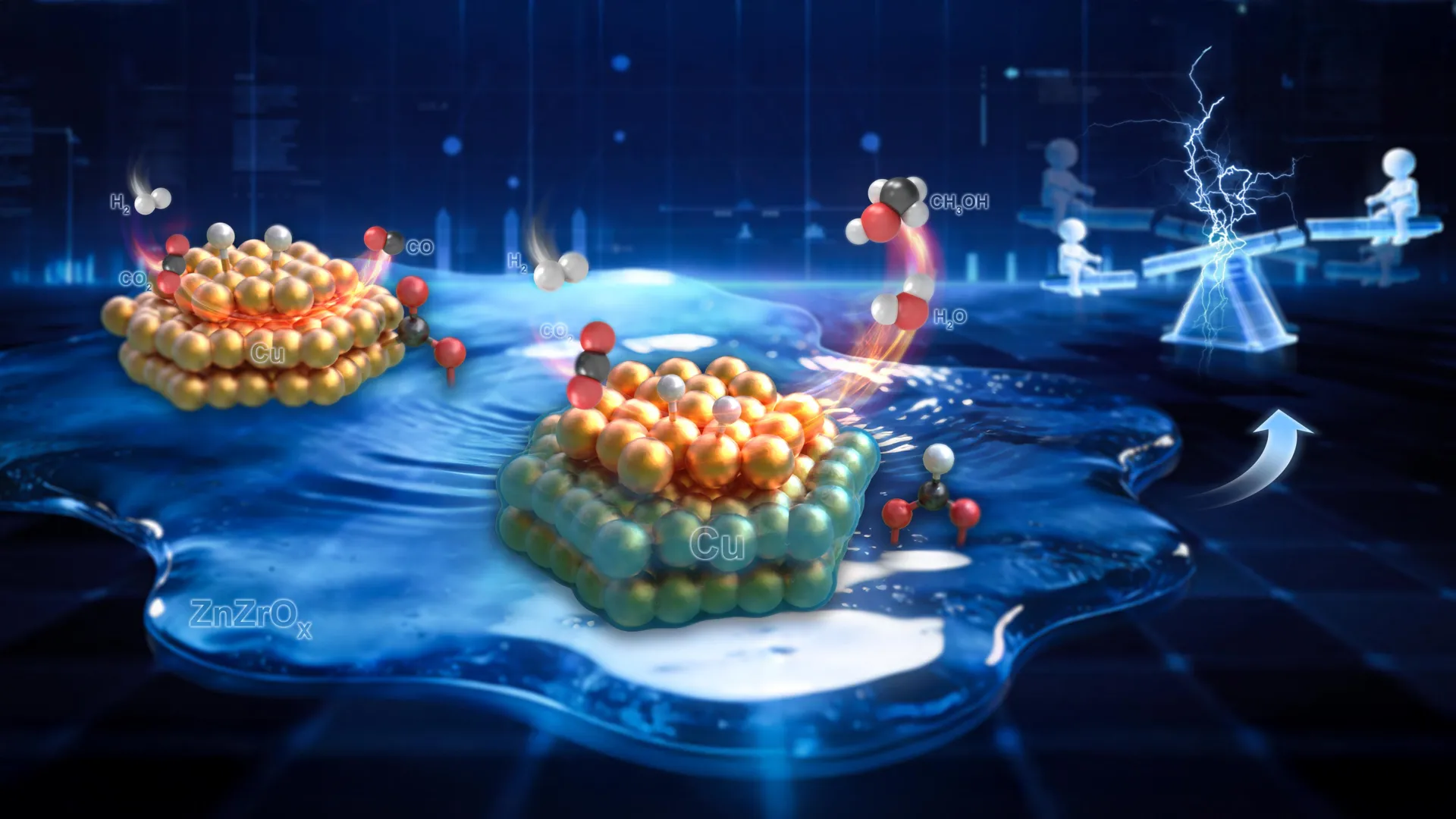
Researchers have developed a method to triple the production of fuel from carbon dioxide by overcoming a long-standing chemical stability barrier. According to a report from ScienceDaily, this breakthrough enhances the efficiency of CO2 conversion, moving the process closer to industrial viability for carbon-neutral energy production by optimizing the catalyst interface.
How did scientists triple fuel production from CO2?
The increase in fuel yield was achieved by redesigning the way catalysts interact with carbon dioxide molecules during the electrochemical reduction process. According to the findings reported by ScienceDaily, the research team identified a specific bottleneck in the reaction pathway that previously limited the amount of fuel produced. By modifying the catalyst’s surface and the local environment where the reaction occurs, the scientists were able to facilitate a more efficient conversion of CO2 into multi-carbon fuels, such as ethanol.
The core of the achievement lies in the management of “C-C coupling,” the process where two single-carbon molecules bond to form a more complex, energy-dense fuel molecule. Previous attempts at this conversion often resulted in the production of simpler molecules like carbon monoxide or methane, which have lower energy densities and less commercial utility as liquid fuels. The new method stabilizes the intermediate stages of the reaction, allowing for a higher rate of C-C coupling and, consequently, a threefold increase in the production of higher-value fuels.
Key technical improvements identified in the research include:
- Enhanced Catalyst Selectivity: The refined catalyst specifically targets the production of multi-carbon products rather than wasting energy on unwanted byproducts.
- Reduced Overpotential: The process requires less electrical energy to initiate the reaction, reducing the overall cost of fuel production.
- Optimized Interface: The boundary between the electrode and the liquid electrolyte was adjusted to ensure a steady supply of CO2 to the catalyst surface.
Why was converting CO2 into fuel a decades-old problem?
Carbon dioxide is a chemically stable molecule, meaning it does not easily react with other substances. According to the ScienceDaily report, this stability is the primary reason why CO2 conversion has remained a challenge for chemists for decades. In nature, plants solve this problem through photosynthesis, but they do so at a very slow pace and with low efficiency.
For industrial applications, the goal is to mimic or improve upon this natural process using electricity and catalysts. However, the “energy hill” (activation energy) required to break the bonds of CO2 is steep. Most previous catalysts were either too expensive, degraded too quickly, or were not selective enough. This lack of selectivity meant that while CO2 was being converted, it was not being converted into the right kind of fuel.
“The stability of the CO2 molecule makes it a thermodynamic sink, requiring significant energy input and highly specific catalytic environments to transform it into usable hydrocarbons,” as noted in the technical context of the research.
The “decades-old problem” specifically refers to the inability to consistently produce multi-carbon fuels (C2+) at a scale and efficiency that could compete with fossil fuels. While producing methane (C1) was relatively straightforward, producing ethanol or propanol (C2+) required a level of precision in molecular bonding that had previously eluded researchers.
What are the specific implications for the energy sector?
The ability to triple fuel production from captured CO2 has immediate implications for sectors that are difficult to electrify, such as long-haul aviation and maritime shipping. These industries rely on high-energy-density liquid fuels that batteries cannot currently replace. According to the research data, the production of carbon-neutral liquid fuels provides a pathway to reduce the net carbon footprint of these sectors.
Industry analysts suggest that this breakthrough shifts the conversation from Carbon Capture and Storage (CCS)—where CO2 is simply buried underground—to Carbon Capture and Utilization (CCU), where CO2 becomes a feedstock for a new economy. When the electricity used for the conversion comes from renewable sources like wind or solar, the resulting fuel is effectively carbon-neutral because it recycles existing atmospheric carbon rather than extracting new carbon from the earth.
| Feature | Traditional CCS | New CCU Method (per ScienceDaily) |
|---|---|---|
| Primary Goal | Waste Disposal / Sequestration | Resource Recovery / Fuel Production |
| Economic Model | Cost-Center (Expense) | Profit-Center (Product Sale) |
| Carbon Cycle | Linear (Remove and Store) | Circular (Capture, Use, Repeat) |
| End Product | Stored Gas | Liquid Hydrocarbon Fuels |
For a deeper look at how these technologies integrate with existing infrastructure, a related explainer on carbon capture and utilization may provide additional context on the logistics of CO2 transport.
How does this new method compare to previous CO2 conversion attempts?
The primary distinction between this breakthrough and previous attempts is the yield of multi-carbon products. In earlier iterations of electrochemical CO2 reduction, the efficiency (often measured as Faradaic efficiency) for products like ethanol was low, often falling below 10-20% in many lab settings. The new approach described in the ScienceDaily report effectively triples the production rate, suggesting a significant jump in the practical output of the system.
Furthermore, previous methods often suffered from “catalyst poisoning,” where the catalyst surface became clogged with byproducts, causing the reaction to stop. The new method employs a more resilient catalyst structure that maintains its activity over longer periods. This durability is essential for any technology intended for industrial use, as replacing catalysts frequently would negate the economic benefits of the increased fuel yield.
Comparison of Catalyst Performance
- Old Catalysts: High energy requirement, low selectivity for C2+ fuels, short operational lifespan.
- New Catalyst: Lower energy barrier, high selectivity for C2+ fuels, increased stability and longevity.
Who are the primary stakeholders in this technology?
The development of efficient CO2-to-fuel conversion involves a wide array of stakeholders, each with different interests in the outcome of this research.
Academic and Research Institutions
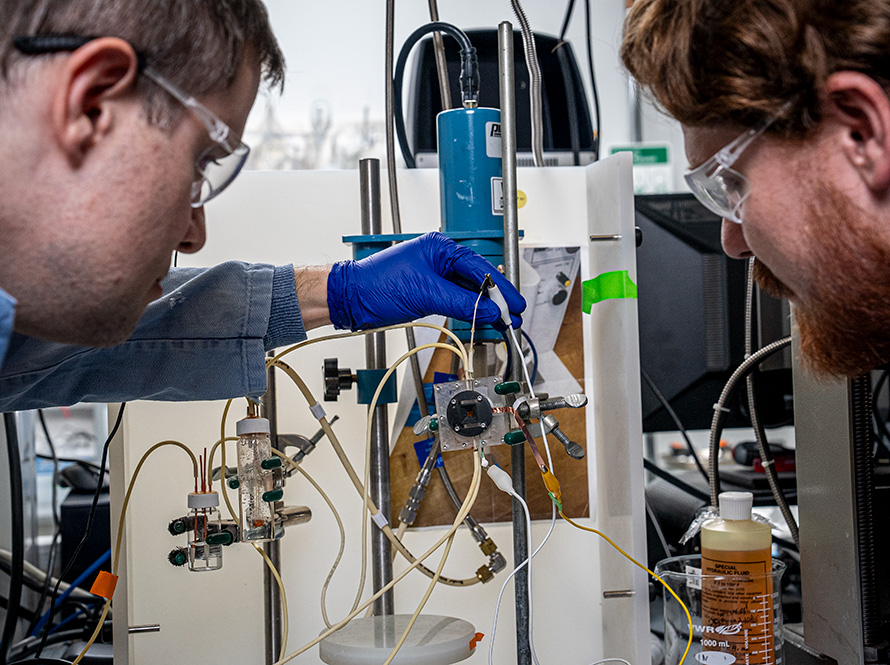
Universities and chemical research centers are the primary drivers of this discovery. Their goal is to solve the fundamental chemical puzzles of C-C coupling. For these stakeholders, the success is measured by the ability to control molecular reactions at the atomic level.
Energy Companies and Fuel Producers
Oil and gas companies are increasingly investing in CCU technologies to pivot their business models toward “energy companies” rather than just “oil companies.” The ability to produce synthetic fuels allows them to leverage their existing pipeline and refinery infrastructure while meeting emissions targets.
Governmental Regulatory Bodies
Governments focusing on the Paris Agreement and net-zero targets view this technology as a vital tool. By incentivizing the production of synthetic fuels, regulators can create a market where carbon is valued as a commodity, potentially leading to new carbon credit systems.
The Aviation and Shipping Industries
For airlines and shipping conglomerates, this technology represents a lifeline. Because they cannot realistically run fleets on batteries due to weight and energy density constraints, carbon-neutral liquid fuels are the only viable path to decarbonization.
What are the remaining hurdles for industrial scaling?
While tripling production in a laboratory setting is a major milestone, transitioning from a lab-scale electrode to a commercial-scale refinery presents several challenges. According to the ScienceDaily report and general engineering principles, the “scaling gap” is the most significant obstacle.
First, the cost of the catalysts must be reduced. Many high-efficiency catalysts use precious metals that are too expensive for million-gallon-per-day operations. Researchers must find ways to achieve the same results using earth-abundant materials like copper or iron alloys.
Second, the source of the CO2 must be sustainable. For the process to be truly carbon-neutral, the CO2 must be captured from the air (Direct Air Capture) or from industrial flue gas. The energy required to capture the CO2 often adds to the overall cost of the fuel, making it more expensive than traditional petroleum-based fuels.
Third, the electrical input must be massive. To produce fuel at a global scale, the process requires an enormous amount of renewable electricity. If the electricity comes from a coal-fired power plant, the process would actually increase net CO2 emissions.
Current scaling challenges include:
- Electrode Surface Area: Moving from a small disc electrode to large-scale plates without losing efficiency.
- Heat Management: Managing the thermal energy produced during large-scale electrochemical reactions.
- Product Separation: Efficiently separating the produced fuel (e.g., ethanol) from the water and electrolyte solution.
Common misconceptions about CO2-to-fuel conversion
There are several frequent misunderstandings regarding the “Scientists crack a decades-old CO2 problem and triple fuel production – ScienceDaily” narrative and the broader field of synthetic fuels.
Misconception 1: This replaces the need for solar and wind power.
In reality, this technology depends on solar and wind power. It is not a replacement for renewable energy but a way to store that energy in a liquid form (fuel) that is easier to transport and use in heavy machinery.
Misconception 2: This “cleans” the air instantly.
While the process uses CO2, it does not act as a vacuum for the entire atmosphere. It creates a closed loop. When the produced fuel is burned in an engine, it releases the CO2 back into the air. The “win” is that it prevents new carbon from being extracted from the ground, making it carbon-neutral rather than carbon-negative.
Misconception 3: Synthetic fuels are “fake” or less effective.
Synthetic fuels, often called e-fuels, are chemically identical to their fossil-fuel counterparts. An engine cannot tell the difference between ethanol made from corn, ethanol made from CO2, or ethanol derived from petroleum. They provide the same energy output and performance.
Frequently Asked Questions
What is the main achievement mentioned in the ScienceDaily report?
The main achievement is the development of a new catalytic process that triples the production of multi-carbon fuels from carbon dioxide, overcoming a long-standing chemical stability barrier that previously limited fuel yields.
Is this process carbon-negative or carbon-neutral?
The process is carbon-neutral. It captures existing CO2 from the atmosphere or industrial sources and converts it into fuel. When that fuel is burned, the CO2 is released again, meaning no net increase of carbon is added to the atmosphere.
Can this technology be used in regular cars today?
The fuels produced, such as ethanol or methanol, can be used in existing internal combustion engines, though some may require modifications (like “flex-fuel” engines) to handle higher concentrations of synthetic alcohols.
Why is “C-C coupling” so important in this research?
C-C coupling is the process of bonding two carbon atoms together. This is necessary to create complex molecules like ethanol (C2H5OH) instead of simple ones like methane (CH4). Multi-carbon fuels are more energy-dense and more useful for aviation and shipping.
How does this differ from traditional biofuels?
Traditional biofuels rely on biomass (like corn or sugarcane), which requires vast amounts of land and water. CO2-to-fuel conversion uses captured gas and electricity, removing the need for agricultural land and reducing the impact on food security.
The success of this research marks a transition in how the scientific community views carbon dioxide. Rather than seeing it solely as a waste product and a driver of climate change, the ability to triple fuel production suggests that CO2 can be treated as a valuable raw material for the next generation of sustainable energy.
