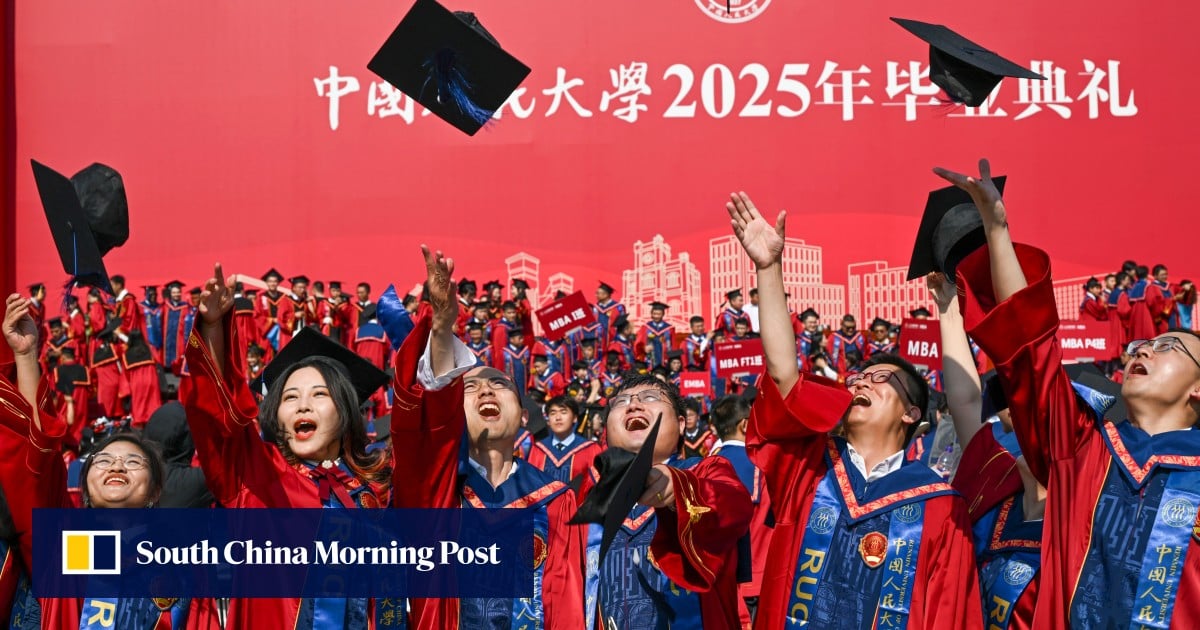
China’s Universities Cut 12,000 ‘Obsolete’ Degrees Amid Race to Embrace AI Era – South China Morning Post
Chinese universities have removed approximately 12,000 degree programs deemed obsolete to align higher education with the artificial intelligence era and combat a graduate employment crisis, according to reports from the South China Morning Post and other international outlets. This academic overhaul aims to shift student training toward national strategic needs and high-tech industries.
What happened in the Chinese university academic overhaul?
China has implemented one of its largest academic restructuring efforts in years, purging thousands of university majors from its educational system. While most reports cite a figure of 12,000 removed degrees, the Times of India specifies that 12,200 degrees were cut. These programs were categorized as “obsolete,” meaning they no longer serve the current economic or technological requirements of the state.
The move is not merely a subtraction of courses but a realignment. According to the Global Times, the government is simultaneously adding new university majors designed to support “national strategic needs.” This indicates a pivot away from traditional academic paths and toward specialized technical training that supports China’s ambitions in AI and other frontier technologies.
Key elements of this overhaul include:
- Removal of redundant majors: Eliminating degrees that overlap or no longer have a corresponding job market.
- AI Integration: Redesigning curricula to ensure students are prepared for an economy driven by artificial intelligence.
- Employment Alignment: Reducing the gap between university certifications and the actual skills demanded by employers.
Why are China’s universities cutting 12,000 ‘obsolete’ degrees amid race to embrace AI era – South China Morning Post?
The primary driver for this mass removal of degrees is the rapid ascent of artificial intelligence and the resulting shift in the global labor market. The South China Morning Post indicates that China is racing to integrate AI into its workforce to maintain a competitive edge. As AI automates routine tasks, degrees that focus on those tasks are now viewed as liabilities rather than assets.
Beyond technology, the decision is a response to a systemic “jobs crisis” for graduates. The Times of India reports that the government is using this academic purge to solve the struggle graduates face when entering the workforce. When thousands of students graduate with degrees in fields that no longer exist in the professional world, youth unemployment rises.
The removal of these courses is a direct attempt to synchronize the output of the education system with the needs of the industrial sector, particularly in high-tech domains.
The Global Times frames this as a matter of national security and economic sovereignty. By focusing on “strategic needs,” China aims to produce a workforce capable of leading in semiconductors, quantum computing, and AI, reducing reliance on foreign expertise.
How does this overhaul address the graduate jobs crisis?
China has faced significant challenges with youth unemployment, as the number of graduates continues to hit record highs while the growth of traditional white-collar jobs slows. The mismatch between “what is taught” and “what is hired” has created a bottleneck in the economy.
By scrapping 12,000 degrees, the state is attempting to force a redistribution of students into fields with higher absorption rates. The logic is that by removing the option to study “obsolete” subjects, students will naturally gravitate toward the new, strategically approved majors that the Global Times notes are being introduced.
The following table compares the reported figures and primary drivers across different news sources:
| Source | Degrees Cut | Primary Driver Cited |
|---|---|---|
| Times of India | 12,200 | Solving the “jobs crisis” for graduates |
| thedeepdive.ca | 12,000 | Biggest academic overhaul in years |
| Global Times | Not specified | Support for national strategic needs |
| GujaratSamachar | 12,000 | Preparation for the AI era |
Which sectors are most affected by these changes?
While specific lists of the 12,000 removed degrees have not been fully publicized in a single directory, the framing of the reports suggests a move away from traditional humanities and legacy technical roles. The focus is shifting toward “hard” sciences and AI-integrated disciplines.
The “obsolete” label likely applies to:
- Legacy Administrative Roles: Courses that trained students for bureaucratic tasks now handled by AI software.
- Redundant Technical Certifications: Old engineering or manufacturing degrees that do not incorporate modern automation or smart-factory standards.
- Low-Demand Liberal Arts: Programs that do not align with the “national strategic needs” mentioned by the Global Times.
Conversely, the “new majors” are expected to center on AI development, data science, and advanced robotics. This transition is designed to ensure that the next wave of graduates possesses the “AI literacy” required to operate in a digitized economy.
The role of national strategic needs
The term “national strategic needs” is a recurring theme in official Chinese reporting, such as in the Global Times. This suggests that the education system is being treated as an arm of industrial policy. Rather than allowing the market to dictate which degrees are popular, the state is proactively removing unpopular or useless degrees and installing those that serve the state’s long-term goals.
This approach mirrors previous shifts in Chinese policy where specific industries—such as electric vehicles or green energy—were given massive state support through both funding and educational mandates.
What are the implications for current and future students?
For students currently enrolled in the removed programs, the transition may be volatile. While the reports do not detail the specific fate of existing students, typically, such overhauls involve “grandfathering” in current students while preventing new enrollments. However, the “obsolete” label creates an immediate stigma for those degrees in the job market.
For future students, the choices will be narrower but potentially more lucrative. The shift reduces the risk of spending four years on a degree that has no market value, but it also limits academic freedom and the diversity of thought that comes from non-strategic degrees.
Potential long-term consequences include:
- Increased Specialization: A workforce that is highly skilled in AI but perhaps less versatile in general critical thinking or multidisciplinary approaches.
- Reduced Unemployment: If the new majors successfully align with industry growth, the youth unemployment rate may stabilize.
- Educational Pressure: Increased competition for the few remaining “safe” or “strategic” degrees.
For a deeper look at how this fits into broader economic trends, see a related explainer on China’s youth unemployment trends.
Comparing the media narratives: Strategic need vs. Crisis management
There is a noticeable difference in how various outlets frame this story. The Global Times emphasizes the “strategic” nature of the move, presenting it as a proactive, forward-thinking evolution of the state. It portrays the change as a strength—an ability to pivot the entire education system to meet the challenges of the AI era.
In contrast, the Times of India and the South China Morning Post frame the move as a reaction to a “crisis.” By linking the degree cuts to the “jobs crisis,” these outlets suggest that the overhaul is a corrective measure for a previous failure: the overproduction of graduates in useless fields.
thedeepdive.ca characterizes the event as the “biggest academic overhaul in years,” focusing on the scale of the disruption. This suggests that the sheer volume of 12,000 degrees is the most significant factor, regardless of whether the motivation was strategic planning or crisis management.
Common misconceptions about the overhaul
A common misconception is that China is simply “deleting” education. In reality, the reports indicate a replacement strategy. The goal is not to have fewer degrees, but to have different degrees. The removal of the 12,000 “obsolete” courses creates the institutional space and funding for the new, AI-centric majors.

Another misconception is that this is a purely academic decision. The attribution to “national strategic needs” and the focus on the “jobs crisis” prove that this is an economic and political decision implemented through the education system.
FAQ: China’s University Degree Overhaul
How many degrees did Chinese universities actually remove?
Most sources, including the South China Morning Post and GujaratSamachar, report 12,000 degrees. However, the Times of India provides a more specific figure of 12,200 removed programs.
Why are these degrees being called “obsolete”?
Degrees are labeled obsolete because they no longer align with the needs of the modern job market, specifically due to the rise of artificial intelligence which has automated many of the skills those degrees previously taught.
Is China adding new degrees to replace the old ones?
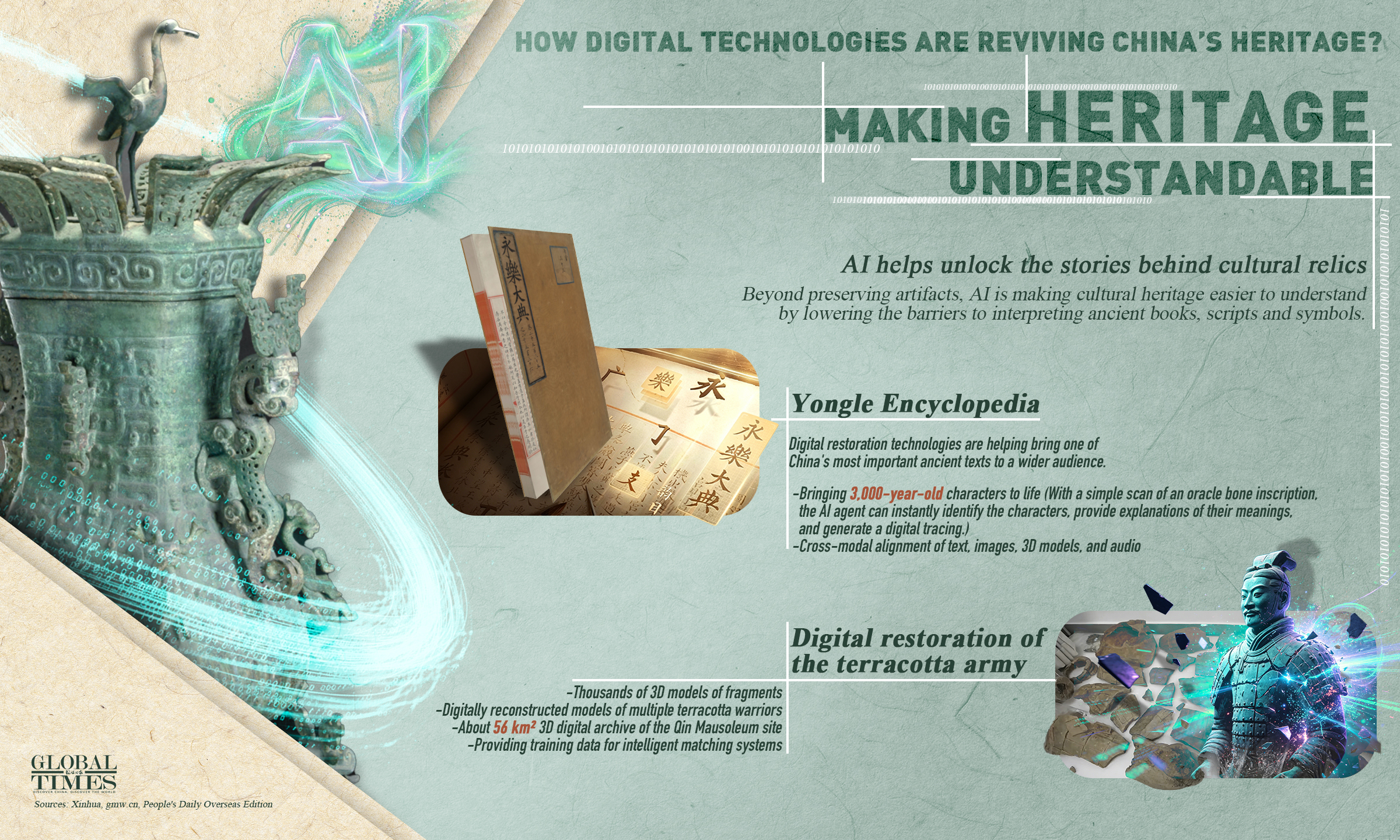
Yes. According to the Global Times, China is adding new university majors that specifically support national strategic needs and the requirements of the AI era.
What is the connection between this move and youth unemployment?
The Times of India reports that this is part of an effort to solve a “jobs crisis.” By removing degrees that lead to nowhere and promoting those that lead to high-demand tech jobs, the government hopes to lower graduate unemployment.
Which students are most affected by these changes?
Future students will have fewer options in traditional or “obsolete” fields and will be steered toward AI and strategic tech majors. Current students in removed programs may find their certifications viewed as less valuable by employers.
For more information on global education shifts, you may find a related explainer on AI’s impact on global university curricula useful.
