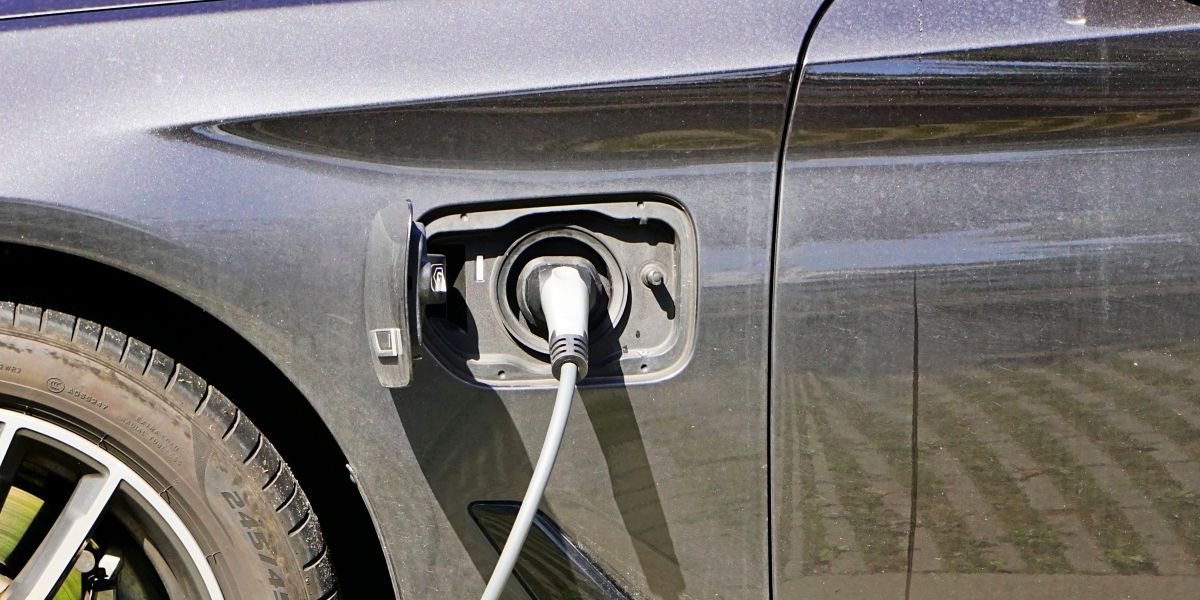
Austria is targeting one million electric vehicles on its roads by 2030 to facilitate its national energy transition, according to local media reports. This shift is viewed as a primary lever for climate goals, with industry reports indicating that e-mobility can reduce vehicle emissions by two-thirds.
- 2030 Target: Austria aims for 1 million electric vehicles in circulation.
- Environmental Impact: Transitioning to EVs can lower emissions by approximately 66%.
- Economic Necessity: Electromobility is cited as a mandatory component for the broader energy transition.
- Market Friction: Public debate continues regarding the timing and feasibility of switching from combustion engines.
Can Austria reach the 1 million EV target by 2030?
The goal of reaching one million electric vehicles by the end of the decade has sparked a debate over feasibility, according to local reports. While the numerical target is clear, the pace of adoption must accelerate to meet the deadline. This target represents a fundamental shift in the Austrian automotive market, moving away from the internal combustion engine (ICE) toward a fully electrified fleet.

How much do electric vehicles reduce emissions?
The transition is driven by significant environmental gains. According to industry data, e-vehicles can achieve a reduction in emissions of two-thirds compared to traditional combustion engines. This reduction is a critical metric for the country as it attempts to align its transport sector with broader carbon-neutrality goals.
Why is electromobility essential for the energy transition?
Reports from local news outlets suggest that the broader energy transition is effectively impossible without a massive shift toward electric mobility. Because transportation remains one of the largest sources of carbon output, the decarbonization of the fleet is not seen as an optional upgrade but as a prerequisite for meeting national energy targets.
When will drivers switch from combustion engines?
Despite the policy goals, the timing of the consumer transition remains a point of contention. Local media reports highlight an ongoing debate among drivers regarding when to abandon the combustion engine. This hesitation suggests a gap between government targets and consumer readiness, often tied to infrastructure, cost, or perceived reliability of new technology.
Industry observers characterize this period as the beginning of the end for the traditional combustion engine, though the exact timeline for total market displacement remains subject to consumer behavior and policy implementation.
