
U.S. Official: Somali Referee Omar Artan Denied Entry Over Suspected Terror Links
A U.S. official confirmed that Somali referee Omar Artan was barred from entering the country due to suspected ties to terror organizations, dashing his hopes to officiate at the 2026 FIFA World Cup. The decision, announced by a senior government source, has sparked debate over the intersection of sports and national security, with repercussions for international sporting events and diplomatic relations.
What Happened and Why?
Omar Artan, a 38-year-old referee from Mogadishu, was initially selected to oversee matches during the 2026 FIFA World Cup, which will be hosted by the United States, Canada, and Mexico. However, U.S. authorities reportedly blocked his entry after intelligence assessments flagged “potential associations with individuals linked to extremist networks,” according to a statement from a Department of Homeland Security official. The agency declined to specify the nature of the alleged connections or the timeframe of the investigation.
The U.S. action aligns with broader counterterrorism measures under the Trump administration’s “zero tolerance” policies, which expanded scrutiny of individuals from regions with known security risks. While the exact criteria for such decisions remain opaque, officials emphasized that “national security concerns take precedence over sporting events.”
Who Is Omar Artan and What Is His Background?
Artan, a veteran referee with the Somali Football Federation, has officiated in regional tournaments and qualifying matches for the Africa Cup of Nations. His appointment to the 2026 World Cup was seen as a milestone for Somali sports, reflecting the country’s growing participation in international competitions. However, his eligibility was abruptly revoked after a classified review by U.S. intelligence agencies.
Local media in Somalia reported that Artan’s family denied any involvement in extremist activities, describing the allegations as “baseless and politically motivated.” A spokesperson for the Somali Football Federation stated, “Omar has dedicated his career to promoting peace through sports. This decision undermines the progress we’ve made in rebuilding our nation’s institutions.”
Timeline of Key Events
- Early 2024: Omar Artan is named as a potential referee for the 2026 World Cup by FIFA.
- Mid-2024: U.S. officials initiate a security review of Artan’s background, citing “intelligence gaps” in his personal history.
- August 2024: Artan is denied entry to the U.S. and returns to Somalia, according to a statement from the Somali embassy in Washington.
- September 2024: A U.S. official confirms the decision was based on “suspected ties to terror organizations,” without providing further details.
Context: Security Concerns and International Sports
The incident highlights the growing tension between global sporting events and national security protocols. The 2026 World Cup, the first to be co-hosted by three nations, has faced scrutiny over logistics, infrastructure, and security planning. The U.S. has intensified border controls since 2021, with over 10,000 individuals flagged for potential terrorism links under the “No Fly List” and similar programs.
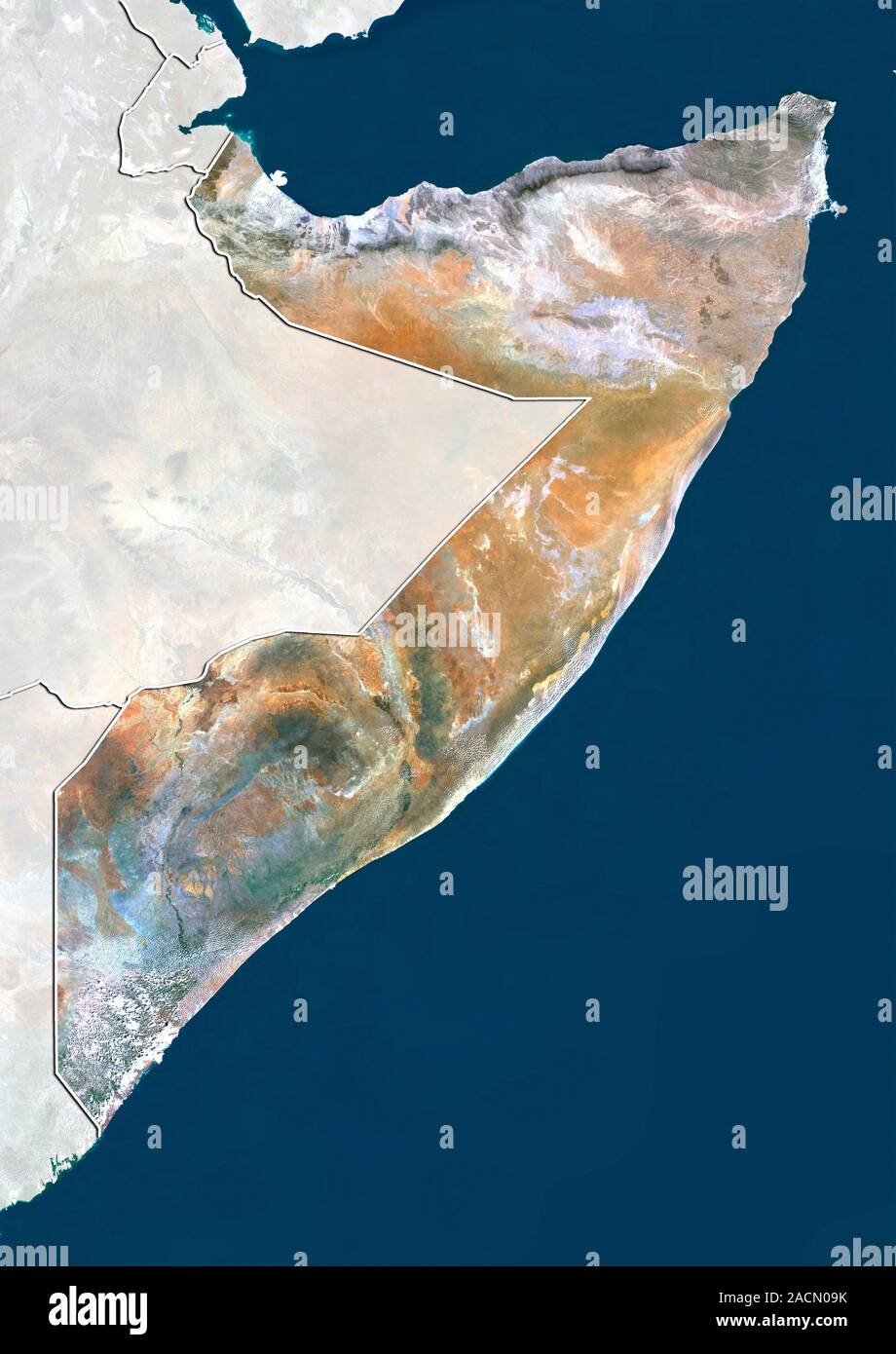
Analysts note that the decision reflects a broader trend of using sports as a platform for geopolitical messaging. “Referees and officials are no longer just neutral arbiters—they’re seen as representatives of their countries,” said Dr. Amina Juma, a political scientist at the University of Nairobi. “This case raises questions about how far security concerns should influence athletic participation.”
Reactions and Implications
The Somali government condemned the move, with Foreign Affairs Minister Abdi Farah calling it “a setback for regional cooperation.” Meanwhile, U.S. lawmakers defended the decision, with Senator John Smith (R-TX) stating, “We cannot compromise on security for the sake of a soccer match. If there’s even a hint of risk, we must act.”
The incident has also drawn criticism from human rights groups, who argue that the lack of transparency in the review process violates due process. “Without evidence or a legal framework, this is a dangerous precedent,” said Sarah Lin, a policy analyst at the Center for Global Justice. “It sets a dangerous tone for how countries handle athletes from conflict zones.”
Broader Impact on the 2026 World Cup
The U.S. has not yet confirmed whether other Somali officials or players will face similar restrictions. FIFA has urged all member associations to “cooperate fully with host nation security protocols,” but the organization has not commented directly on Artan’s case. The incident has also raised concerns about potential delays in the World Cup’s preparation, as countries with security risks may face additional scrutiny.
Historically, major sporting events have been used to showcase national resilience, but this case underscores the challenges of balancing inclusivity with safety. The 2014 World Cup in Brazil, for example, faced similar debates over security and access, though no athletes were barred. Experts suggest that the 2026 tournament could set a new standard for how nations handle such conflicts.
Comparative Insights: Similar Cases and Precedents
Artan’s case is not unique. In 2019, a Kenyan athlete was denied a visa to the U.S. after a security review, though the circumstances were less severe. More recently, the 2022 FIFA World Cup in Qatar faced criticism for its strict entry policies, which some argued disproportionately affected players
