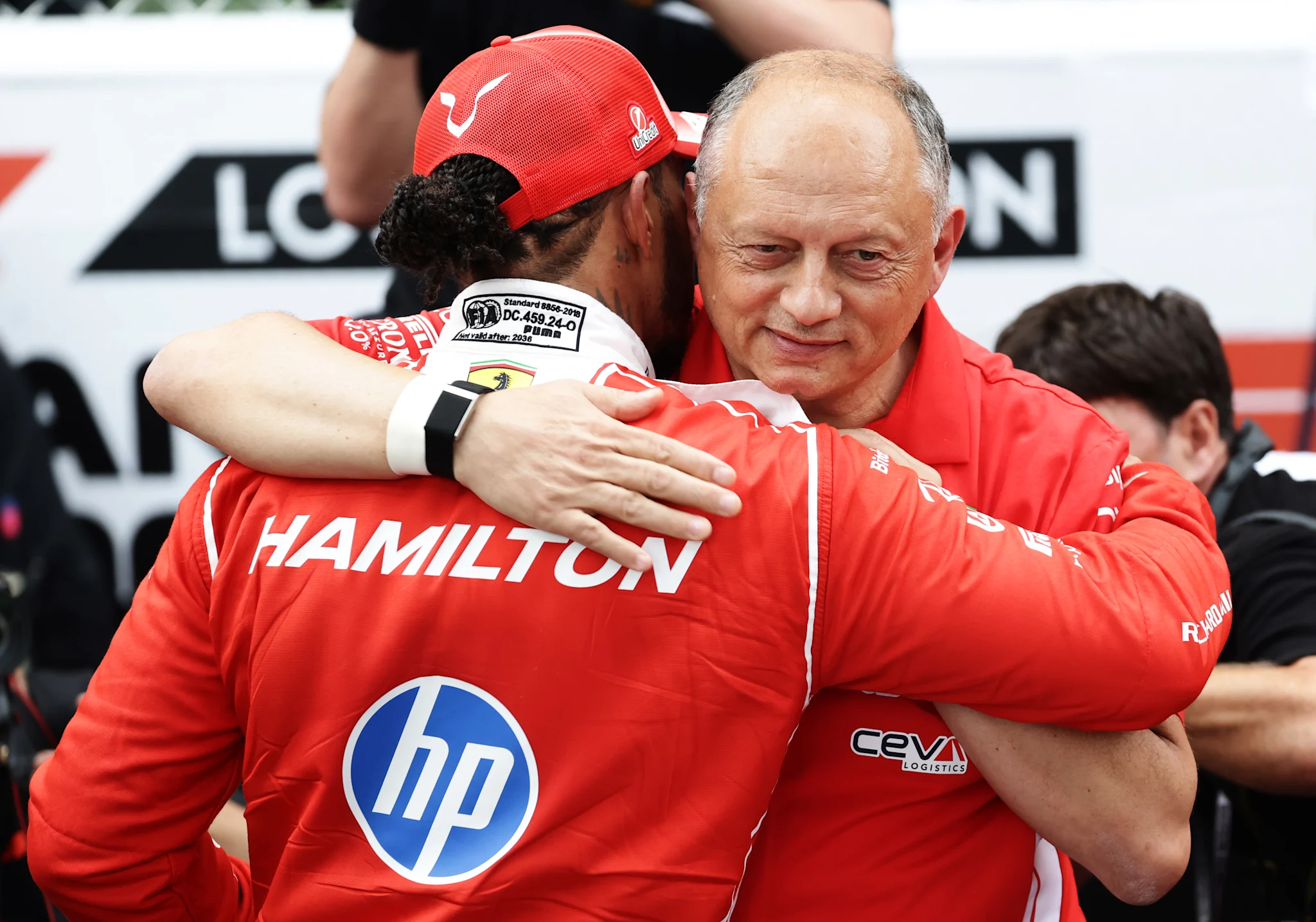
Vasseur’s Mixed Verdict on Ferrari’s Monaco GP Performance: A Closer Look
Ferrari’s performance at the 2026 Monaco Grand Prix left fans and analysts divided, with a standout moment from Lewis Hamilton juxtaposed against Charles Leclerc’s technical struggles. Team Principal Fred Vasseur, who missed qualifying due to medical checks, delivered a nuanced assessment of the team’s results, highlighting both progress and persistent challenges. The race, held on June 6, 2026, underscored the high stakes of Formula 1’s most iconic circuit and the pressures facing one of the sport’s most storied teams.
Vasseur’s Absence and Medical Update
Fred Vasseur’s absence from the Monaco Grand Prix qualifying session on June 6, 2026, was a significant development. The Ferrari team confirmed that Vasseur had been admitted to a local medical facility following health checks, though no further details were provided. In a statement released by Ferrari, the team expressed hope for a swift recovery, emphasizing that Vasseur would remain under observation. “No further medical information will be provided,” the statement read. “We wish Fred a speedy recovery and look forward to seeing him back at the track soon.”
Vasseur’s absence raised questions about the team’s leadership during a critical race weekend. The French executive, known for his strategic acumen, had previously downplayed the team’s early pace in Monaco, acknowledging the unpredictability of the circuit. “It’s a very long way in Monaco from Friday, first to the Quali, then to the race,” he had said after Friday’s practice sessions. His absence added an element of uncertainty as the team navigated the complexities of the Monaco Grand Prix.
Mixed Results for Ferrari: Hamilton Shines, Leclerc Faces Challenges
The Monaco GP delivered a mixed bag for Ferrari, with Lewis Hamilton’s performance standing out as a bright spot. Hamilton, driving for Mercedes, secured a dominant victory, leveraging his experience on the narrow, twisty streets of Monte Carlo. His ability to navigate the circuit’s unique challenges, including tight corners and limited overtaking opportunities, showcased his skill and adaptability.
However, for Ferrari, the results were less favorable. Charles Leclerc, the team’s star driver, encountered significant issues with his car’s brake system, which impacted his performance. Leclerc’s struggles were a stark contrast to his strong showing in the earlier practice sessions, where he had set a competitive pace. The brake problems highlighted the technical challenges facing Ferrari, raising concerns about the reliability of their machinery under pressure.
Ferrari’s mixed results reflected the broader challenges of the 2026 season. While the team had shown promise in the early races, the Monaco GP exposed vulnerabilities that could affect their championship aspirations. Vasseur’s absence during a pivotal moment in the race added to the complexity of the team’s situation, as they had to manage the race without their usual leadership.
Hamilton’s Performance: A Masterclass in Monaco
Lewis Hamilton’s victory in the 2026 Monaco Grand Prix was a masterclass in precision and strategy. The British driver, known for his ability to adapt to different circuits, demonstrated why he remains one of the sport’s most formidable competitors. Hamilton’s win extended his lead in the championship, further solidifying his position as a front-runner.
Hamilton’s performance was particularly notable given the challenges of Monaco. The circuit, with its tight corners and limited overtaking opportunities, demands a high level of skill and car control. Hamilton’s ability to maintain a consistent pace throughout the race, while managing tire wear and fuel consumption, underscored his expertise. His victory was not just a personal triumph but also a statement of intent for the rest of the season.
For Ferrari, Hamilton’s dominance was a reminder of the competition they face. While the team had shown flashes of brilliance in the early races, the Monaco GP highlighted the need for continued improvement. Vasseur’s absence during this critical race added an extra layer of challenge, as the team had to rely on its support staff to manage the race without his direct input.
Leclerc’s Brake Issues: A Technical Setback
Charles Leclerc’s experience at the Monaco GP was marred by technical difficulties, particularly with his car’s brake system. The issues affected his ability to maintain a competitive pace, forcing him to make frequent pit stops and adjust his driving style. Leclerc’s struggles were a stark contrast to his strong performance in the earlier practice sessions, where he had been one of the fastest drivers on the track.
The brake problems raised questions about Ferrari’s technical preparedness for the unique demands of Monaco. The circuit’s tight corners and frequent braking zones place significant stress on a car’s braking system, and Leclerc’s issues highlighted the need for improvements in this area. The incident also underscored the importance of reliability in Formula 1, where even minor technical glitches can have a major impact on race outcomes.
Leclerc’s struggles were a blow to Ferrari’s championship hopes, as the team had been counting on strong performances from both of its drivers. The technical issues also added to the pressure on the team’s engineers, who had to work quickly to diagnose and resolve the problem during the race.
Team Strategy and Challenges
Ferrari’s strategy during the Monaco GP was a mix of caution and calculated risk. The team had entered the race with high expectations, given their strong performance in the earlier practice sessions. However, the technical issues faced by Leclerc and the dominance of Hamilton complicated their approach.
Vasseur’s absence during the race added an element of uncertainty, as the team had to rely on its support staff to make key decisions. The team’s strategy focused on managing tire wear and fuel consumption, with an emphasis on maintaining a consistent pace throughout the race. However, the technical issues faced by Leclerc made it difficult to
