
Inside a Trump-linked plan to turn a communist-era military base into a luxe resort: Conflict and Controversy in Albania
A planned luxury resort in Albania, linked to Jared Kushner, has sparked massive public protests and environmental alarms. The project seeks to transform a former communist-era military base into a high-end destination, but critics and BirdLife International warn of the destruction of protected coastlines and allege the Albanian government has misled parliament regarding the site’s status.
What is the Trump-linked plan for the Albanian military base?
The project centers on a strategic piece of coastal real estate in Albania that previously served as a military installation during the communist era. According to reports from the Australian Broadcasting Corporation and Al Jazeera, the vision is to convert this site into a luxury resort. The development is linked to Jared Kushner, the son-in-law of former U.S. President Donald Trump, marking a significant entry of U.S.-linked real estate interests into the Balkan region.
The transition from a site of communist military fortification to a “luxe resort” represents a sharp pivot in land use. Where bunkers and barracks once stood, the plan envisions high-end accommodations and tourist amenities designed to attract wealthy international visitors. However, the scale and nature of this development have turned the site into a flashpoint for political and environmental conflict.
Key aspects of the project include:
- Site Transformation: Conversion of a communist-era military base into a luxury hospitality hub.
- High-Profile Backing: Ties to Jared Kushner, bringing international scrutiny to the deal.
- Geographic Focus: Development located on Albania’s coast, an area increasingly targeted for tourism growth.
Why are thousands protesting the “Kushner Island” project?
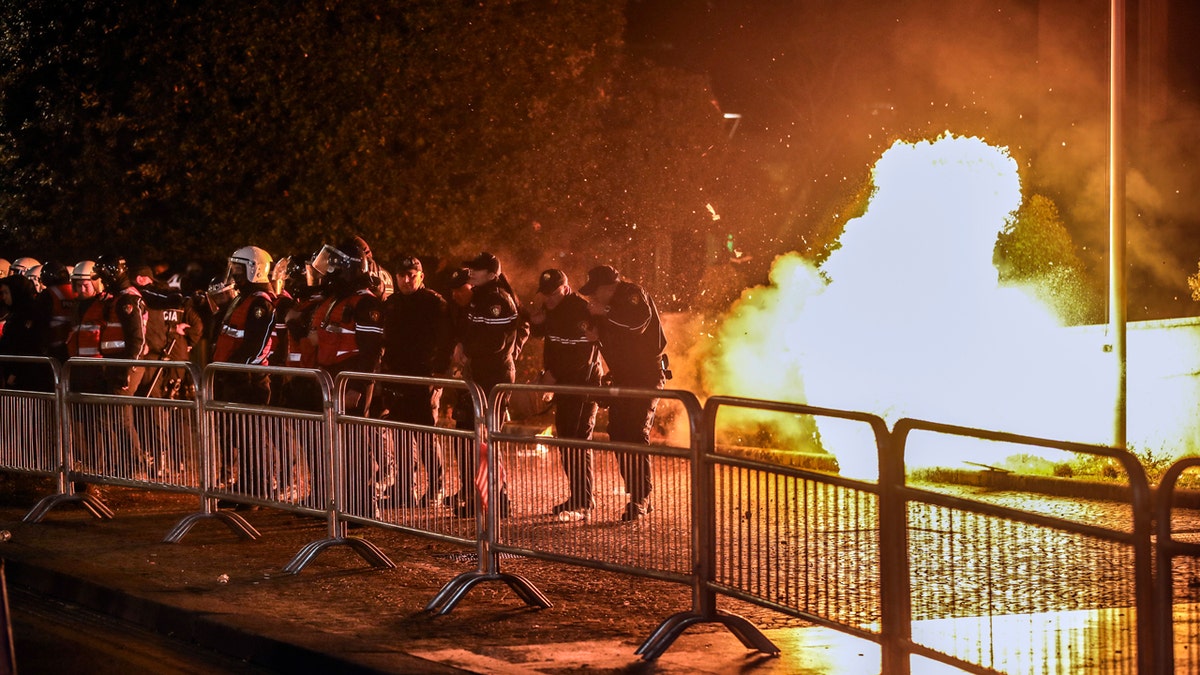
The project has not been met with universal acclaim. Instead, it has triggered widespread unrest, with thousands of people taking to the streets in protest. As reported by News.com.au and Al Jazeera, the project has been colloquially dubbed “Kushner Island” by critics, symbolizing a perceived takeover of national land by foreign interests with close ties to U.S. political power.
The protests are driven by a combination of nationalist sentiment and concerns over corruption. Many demonstrators view the deal as a “sweetheart” arrangement that favors a well-connected foreign investor over the interests of the local population. The optics of a Trump-linked developer acquiring a former state military asset have fueled accusations that the project is more about political influence than genuine economic development.
The scale of the protests indicates a deep-seated anxiety among Albanians regarding the sale of strategic coastal assets and the transparency of the processes used to approve such massive developments.
The social friction is exacerbated by the contrast between the projected “luxury” of the resort and the economic reality of the local communities who fear they will be priced out or excluded from the benefits of the development.
Environmental alarms: Is a protected wild coast at risk?
Beyond the political controversy, the project faces severe criticism from environmental organizations. BirdLife International has raised an alarm, stating that Albania is destroying a protected wild coast to facilitate the resort for President Trump’s son-in-law. The organization claims that the area in question possesses significant ecological value that is being ignored in favor of real estate profit.

The most serious allegation comes from BirdLife International, which asserts that the Albanian government has been lying to parliament about the environmental status of the land. According to the organization, the government has downplayed or misrepresented the protected status of the coastline to clear the way for construction.
The environmental stakes involve several critical factors:
- Habitat Destruction: The risk of permanently erasing wild coastal ecosystems that provide critical nesting and feeding grounds for birds.
- Legislative Deception: Claims that official reports provided to parliament omit the protected status of the wild coast.
- Irreversible Damage: The concern that once the “luxe resort” infrastructure is built, the natural biodiversity of the region cannot be recovered.
This conflict pits the government’s drive for foreign direct investment against international conservation standards. For BirdLife International, the project is not just a local issue but a violation of environmental commitments.
How has the Albanian government responded to the backlash?
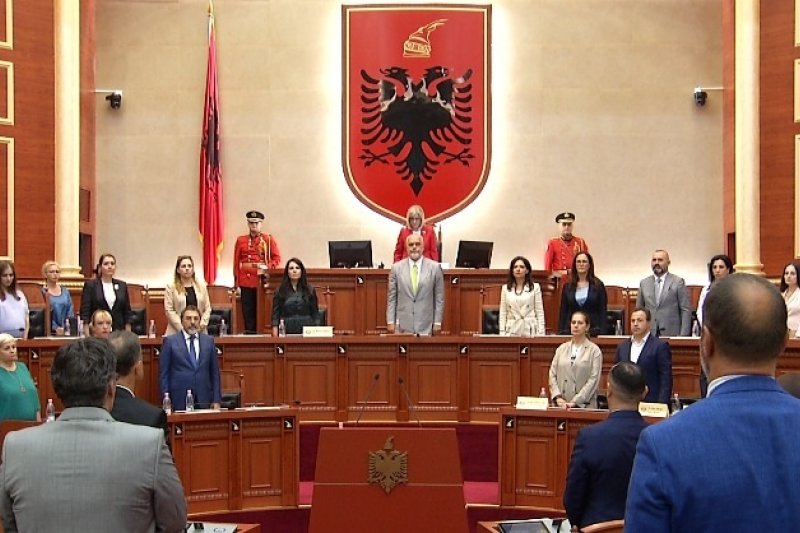
The Albanian government, led by Prime Minister Edi Rama, has pushed back against the wave of protests and environmental accusations. As reported by Euronews.com, Rama has defended the project, framing it as a necessary step for economic modernization and a way to attract high-value tourism to the country.
The government’s narrative focuses on the potential for job creation and the prestige associated with bringing in world-class developers. From the administration’s perspective, the conversion of a derelict communist military base into a luxury asset is an example of progress—turning a symbol of an oppressive past into a driver of future prosperity.
| Stakeholder | Primary Position | Core Argument |
|---|---|---|
| Albanian Government (PM Rama) | Supportive | Economic growth, modernization, and foreign investment. |
| BirdLife International | Opposed | Destruction of protected wild coasts and government dishonesty. |
| Local Protesters | Opposed | Corruption, loss of public land, and foreign influence. |
| Project Developers (Kushner-linked) | Proponent | Transformation of unused military land into a luxury destination. |
Despite the pushback, the government faces a difficult balancing act. While it seeks to maintain a pro-business image to attract investors like Kushner, the intensity of the protests suggests a growing domestic intolerance for projects perceived as opaque or environmentally destructive.
The broader context: Real estate and political influence
The controversy surrounding the Trump-linked plan to turn a communist-era military base into a luxe resort is not an isolated event but part of a larger trend of “prestige” real estate developments in emerging markets. The involvement of figures with high-level political connections often accelerates approval processes but simultaneously increases public suspicion.
In the Balkan region, the transition of state-owned land—especially former military sites—into private luxury assets has frequently been a source of tension. When these deals involve individuals linked to the U.S. presidency, they take on a geopolitical dimension. Critics argue that such projects can be used as leverage or as a means of establishing a footprint in strategic regions under the guise of commercial investment.
Furthermore, the “Kushner Island” narrative reflects a wider global debate about the “financialization” of nature. The idea that a protected wild coast can be converted into a luxury asset for the global elite is a core point of contention for environmentalists who argue that biodiversity should take precedence over luxury tourism.
For those interested in how such deals are structured, a related explainer on foreign direct investment in the Balkans may provide further context on the legal frameworks often used to facilitate these acquisitions.
Common misconceptions about the project
There are several points of confusion regarding the development that require clarification based on the available reporting:
Misconception 1: The land is currently unused and empty.
While the site is no longer an active military base, it is not “empty.” BirdLife International emphasizes that it is a “protected wild coast,” meaning it serves a critical ecological function even if it lacks permanent civilian residents.
Misconception 2: The project is a standard hotel development.
The terminology used—”luxe resort” and “Kushner Island”—suggests a scale and exclusivity far beyond a standard hotel. The goal is a high-end destination that fundamentally alters the landscape of the former military base.
Misconception 3: The government has been transparent about the land’s status.
While the government claims the project is legal and beneficial, BirdLife International explicitly alleges that the administration has lied to parliament regarding the environmental protections in place at the site.
Key points of the ongoing conflict
- The Site: A former communist military base on the Albanian coast.
- The Link: Jared Kushner is the primary figure linked to the luxury resort project.
- The Environmental Claim: BirdLife International asserts the project destroys a protected wild coast.
- The Political Claim: Protesters allege corruption and a lack of transparency in the land transfer.
- The Government Stance: PM Edi Rama maintains the project is a win for economic development.
Frequently Asked Questions
Who is behind the luxury resort project in Albania?
The project is linked to Jared Kushner, the son-in-law of former U.S. President Donald Trump. It involves the redevelopment of a former communist-era military base into a luxury resort destination.
Why is BirdLife International opposing the development?
BirdLife International claims that the project is destroying a protected wild coast. They have further alleged that the Albanian government misled parliament about the environmental status of the land to facilitate the project.
What are the “Kushner Island” protests?
These are mass demonstrations by thousands of Albanians who oppose the resort project. The protesters are concerned about the loss of public land, potential corruption, and the influence of foreign political figures in national real estate.
Has the Albanian government admitted to any wrongdoing?
No. Prime Minister Edi Rama has pushed back against the protests and critics, arguing that the project is a positive development for the country’s economy and tourism sector.
What was the original purpose of the land?
The site served as a military base during Albania’s communist era, characterized by fortifications and military infrastructure, which the current plan intends to replace with luxury amenities.
As the situation evolves, the clash between the Albanian government’s economic ambitions and the demands of environmentalists and local citizens will likely serve as a litmus test for the country’s commitment to ecological protection versus foreign investment. The world will be watching to see if the “protected wild coast” survives the push for luxury development.
