
Court Overrides Parental Religious Objections to Authorize Life-Saving Blood Transfusion for Infant
A significant legal battle over the intersection of religious freedom and pediatric medical care has culminated in a court ruling allowing a baby to receive a life-saving blood transfusion, despite the explicit objections of the mother on religious grounds. The case, which highlights the tension between parental autonomy and the state’s duty to protect the vulnerable, centers on the “best interests of the child” standard, a legal principle that often supersedes parental wishes in emergency medical situations.
The ruling in the case of Baby given blood transfusion despite mother’s objections on religious grounds, after court ruling – The Irish Times serves as a critical reminder of how judicial systems navigate the complex landscape of human rights, medical ethics, and the legal status of minors. When a child’s life is at immediate risk, courts are frequently called upon to determine whether a parent’s right to raise their child according to specific faith-based beliefs outweighs the child’s right to life-saving medical intervention.
The Legal Conflict: Religious Freedom vs. The Right to Life
At the heart of this dispute is a fundamental clash of rights. On one side is the right to freedom of religion and the right of parents to make decisions regarding the upbringing and healthcare of their children. On the other is the state’s obligation—often referred to as parens patriae (parent of the nation)—to intervene when a child’s health or life is in jeopardy.
In most jurisdictions, while competent adults have the legal right to refuse medical treatment based on religious beliefs, this autonomy does not automatically extend to their children. The law generally recognizes that children lack the capacity to make informed decisions about life-altering medical procedures and that the state has a compelling interest in ensuring that a child reaches an age where they can make those choices for themselves.
Key Legal Principles Involved
- The Best Interests of the Child: The primary consideration in any legal proceeding involving a minor. This standard requires the court to evaluate the medical necessity of the treatment against the potential harm of withholding it.
- Parental Rights: The presumption that parents act in the best interests of their children, though this is not an absolute right.
- Medical Necessity: The clinical determination that a specific treatment is essential to prevent death or permanent disability.
Legal precedents typically establish that religious objections cannot be used to deny a child essential, life-saving medical treatment, as the right to life is viewed as the most fundamental of all human rights.
The Medical Context: Why Blood Transfusions Become a Flashpoint
Blood transfusions are a common and often routine part of modern medicine, but for certain religious groups, the act of receiving blood is seen as a violation of divine law. In pediatric cases, the need for blood can arise from a variety of causes, including severe anemia, hemorrhage, or complications during birth and early infancy.
When medical professionals determine that a transfusion is the only viable option to save a patient, and the parents refuse, a medical-legal crisis ensues. Hospital ethics committees are typically the first line of response, attempting to find a compromise or an alternative treatment. However, when no alternatives exist and the risk of death is imminent, the hospital may seek an emergency court order to override parental consent.
Alternatives to Blood Transfusions
In some instances, doctors may employ “bloodless medicine” techniques to respect religious objections. These include:
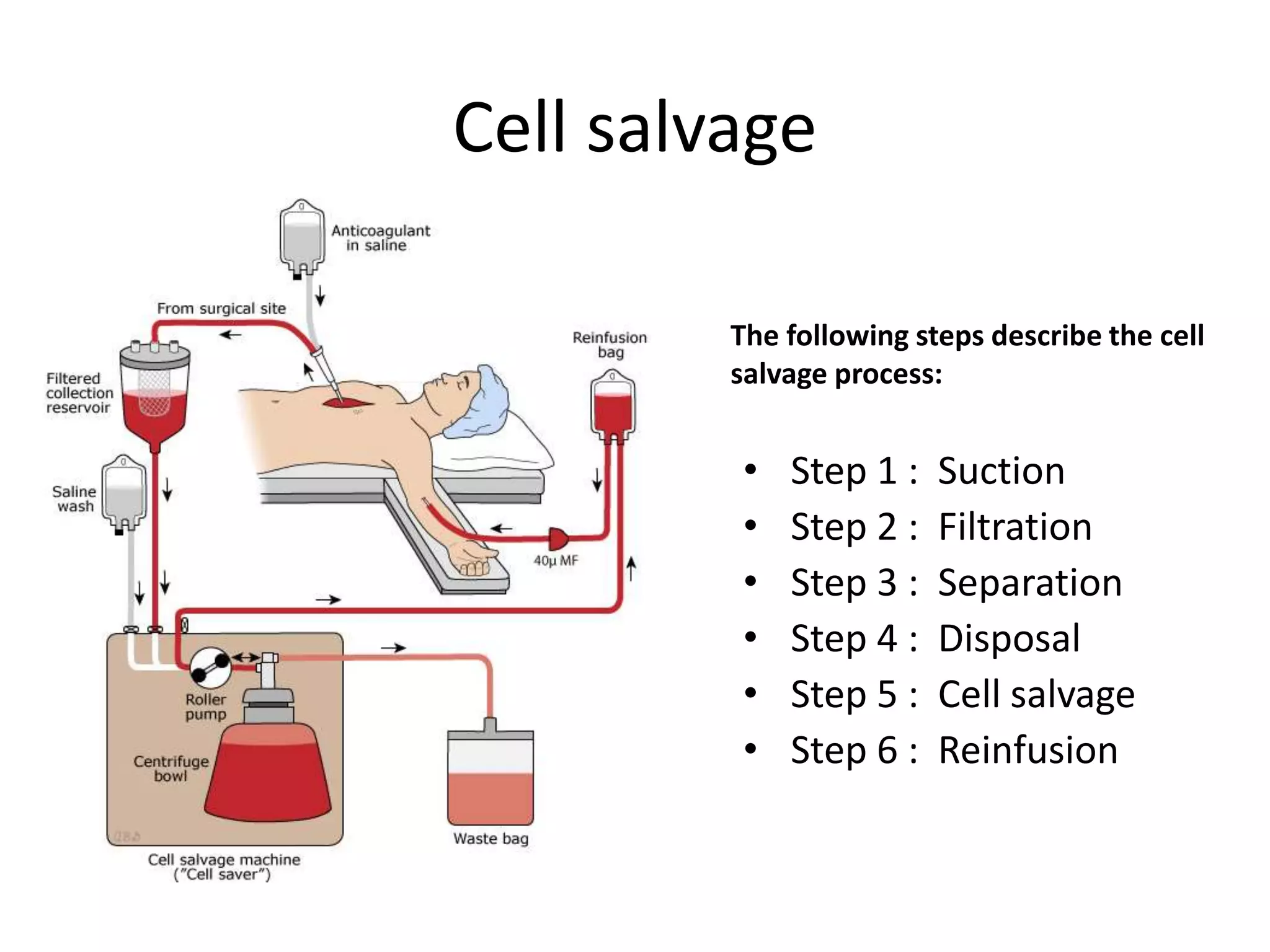
- Cell Salvage: Recovering a patient’s own blood during surgery and re-infusing it.
- Erythropoietin: Using hormones to stimulate the body to produce more red blood cells.
- Volume Expanders: Using non-blood fluids to maintain blood pressure and circulation.
Despite these advancements, there are critical thresholds where these alternatives are insufficient, and a direct transfusion becomes the only way to prevent organ failure or death.
Analyzing the Judicial Decision-Making Process
When a judge is presented with a case like the one involving Baby given blood transfusion despite mother’s objections on religious grounds, after court ruling – The Irish Times, the process is usually swift and focused on clinical evidence. The court does not typically rule on the validity of the religious belief itself, but rather on the application of that belief to a third party—the child.
| Consideration | Parental Perspective | Court/Medical Perspective |
|---|---|---|
| Primary Goal | Spiritual salvation and adherence to faith. | Physical survival and health preservation. |
| Decision Authority | Parents as primary guardians. | The State as ultimate protector of minors. |
| Risk Assessment | Spiritual harm/eternal consequence. | Immediate clinical death or disability. |
| Legal Standard | Religious freedom/Parental autonomy. | The Best Interests of the Child. |
The Role of Expert Testimony
Courts rely heavily on the testimony of pediatricians and hematologists. The judge looks for a consensus among medical experts that:
- The condition is life-threatening.
- The proposed treatment (transfusion) is the standard of care.
- The probability of success is significant.
- No acceptable medical alternatives are available.
Wider Implications for Human Rights and Medical Ethics
This case is not an isolated incident but part of a global discourse on where the boundaries of religious freedom end and the state’s duty of care begins. For advocates of religious liberty, such rulings can feel like an intrusion into the most private aspects of family life. For medical ethicists and child rights advocates, these rulings are seen as essential safeguards against “medical neglect” based on ideology.

The long-term implications of these rulings often extend beyond the immediate medical outcome. They reinforce the legal precedent that while adults may choose to martyr themselves or accept the risks of their faith, they cannot make that choice for a child who cannot consent. This ensures that the child is given the opportunity to reach adulthood, at which point they can decide for themselves which faith or medical philosophy to follow.
For those interested in further reading on the legalities of healthcare, a related explainer on medical ethics and consent may provide more context on how these decisions are handled in non-emergency settings.
Common Misconceptions Regarding Court-Ordered Treatment
There are several common misunderstandings about how the law handles religious objections to medical care for minors:
Myth: The court takes away parental rights permanently
In most cases, a court order for a specific medical procedure is a “limited” or “temporary” guardianship. The court is not seeking to terminate the parents’ relationship with the child or remove the child from the home permanently; it is simply granting the medical team the legal authority to perform one specific, life-saving act.
Myth: Doctors can just ignore the parents
Medical professionals cannot simply ignore parental refusal without risking legal action or charges of battery. This is why the court’s involvement is mandatory. The legal order provides the “shield” that allows doctors to act ethically and legally despite the parents’ lack of consent.
Myth: All religious objections are treated the same
While the “best interests” standard is universal, courts do take into account the specific nature of the objection and the availability of alternatives. If a religious objection is toward a specific type of blood product but not blood in general, the court and doctors will work to accommodate that preference whenever possible.
FAQ: Understanding Religious Objections and Court-Ordered Medical Care
Can parents legally refuse a blood transfusion for their child?
Parents can express their refusal and object based on religious beliefs. However, if the medical team determines the treatment is life-saving and necessary, they can petition a court to override that refusal. In most jurisdictions, the court will grant this request to protect the child’s right to life.
What is the “Best Interests of the Child” standard?
This is a legal principle used by courts to make decisions about the care and protection of children. It involves weighing all factors—medical, psychological, and social—to determine the outcome that most benefits the child’s well-being and survival, regardless of the parents’ wishes.

Does a court ruling for a transfusion mean the parents lose custody?
No. Usually, the court issues a specific order for the medical procedure only. This does not constitute a full termination of parental rights or a permanent change in custody, but rather a targeted intervention for a medical emergency.
Are there any alternatives to blood transfusions that courts consider?
Yes. Courts and doctors will consider “bloodless” alternatives such as cell salvage or the use of erythropoietin. If these are clinically viable and effective for the specific condition, they may be used to avoid the need for a court-ordered transfusion.
At what age can a child decide for themselves whether to receive a transfusion?
This varies by jurisdiction, but many regions recognize a “mature minor” doctrine. If a teenager can demonstrate a sufficient level of maturity and understanding of the risks and benefits of the treatment, a court may allow them to make their own medical decisions, even if they disagree with their parents or the doctors.
The resolution of the case regarding the Baby given blood transfusion despite mother’s objections on religious grounds, after court ruling – The Irish Times underscores a consistent legal priority: the preservation of life. While the law respects the sanctity of religious belief, it views the survival of a child as a non-negotiable prerequisite for the future exercise of any other right, including the right to faith.
