Cardano Social Activity Surges as ADA Falls Under 20 Cents to Four-Year Lows
The Cardano ecosystem is currently weathering a period of intense volatility and scrutiny as its native token, ADA, has plummeted below the 20-cent threshold. This price action represents a descent to four-year lows, triggering a massive spike in social media activity and community discourse. While price drops typically signal distress, the surge in social engagement reflects a complex mixture of investor panic, strategic accumulation discussions and a broader debate over the long-term viability of the network’s decentralized applications.
This downturn comes at a precarious time for the blockchain, coinciding with technical hurdles and warnings from leadership about the stability of the ecosystem’s supporting infrastructure. As ADA returns to price levels not seen since 2021, the community is grappling with a fundamental question: is this a temporary market correction or a deeper systemic failure of the Cardano value proposition?
The Price Collapse: Analyzing the Descent to 2021 Levels
The most immediate catalyst for the current unrest is the stark decline in ADA’s market value. Falling under 20 cents is more than just a numerical drop; We see a psychological breach that places the asset in a territory it has not occupied in several years. For many holders, this represents a return to the valuation levels of 2021, a period characterized by high volatility and the early stages of the broader smart-contract platform boom.
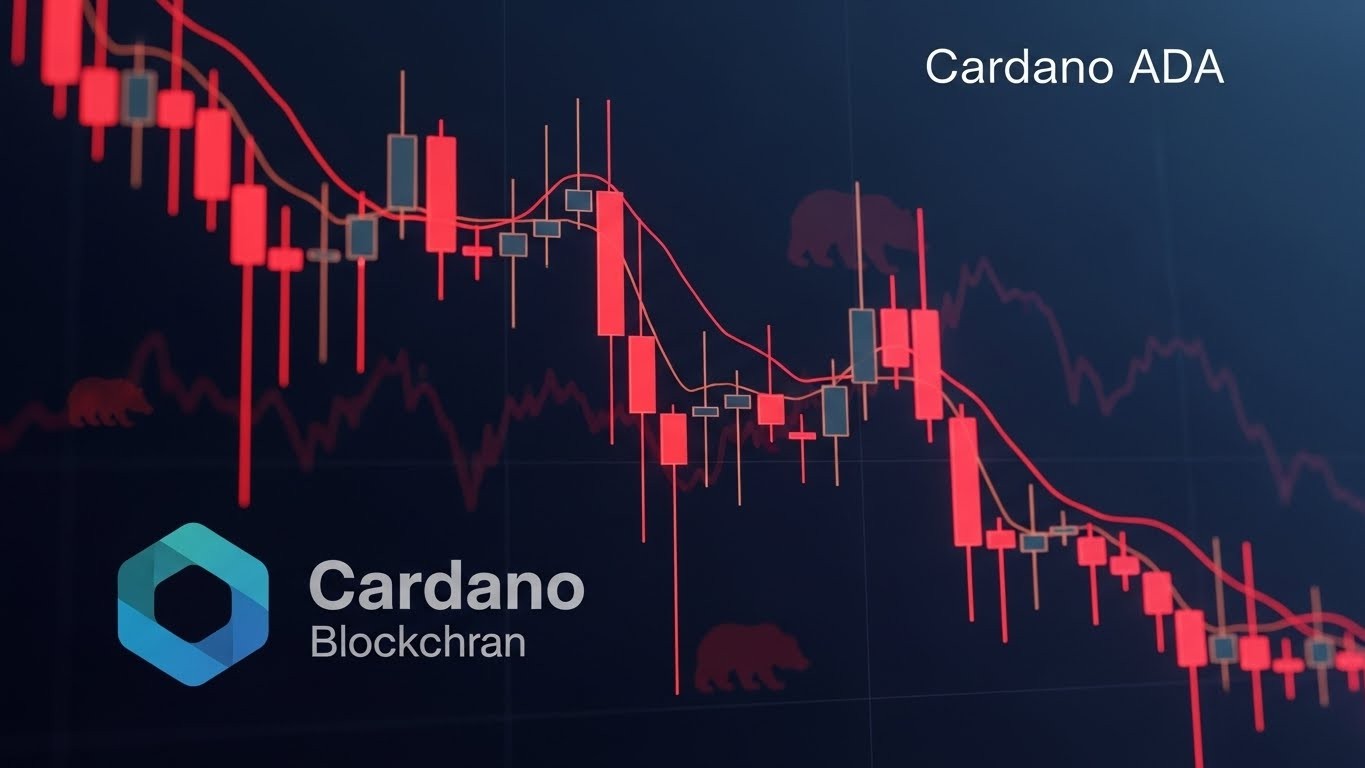
Market analysts have noted a pervasive bearish momentum, with some indicating that there is currently no clear support close to prevent further slippage. The lack of a definitive “floor” has created a vacuum of uncertainty, leading many traders to seek guidance from technical indicators and social sentiment.
Despite the bearish trend, some market perspectives suggest that the current decline may be leading toward a potential “buy zone.” Some technical outlooks have identified a range between $0.05 and $0.10 as the area where the asset might finally find sustainable support. However, reaching such levels would imply a significantly deeper correction than the current sub-20-cent dip.
| Metric | Current Status / Observation | Context |
|---|---|---|
| Price Threshold | Below $0.20 | Four-year lows |
| Market Momentum | Strongly Bearish | Lack of immediate support levels |
| Theoretical Buy Zone | $0.05 – $0.10 | Projected long-term support range |
| Historical Parallel | 2021 Levels | Return to early-cycle valuations |
Ecosystem Fragility and the ‘Wave of Failures’
The price decline has not occurred in a vacuum. It has been accompanied by troubling signals from within the Cardano development ecosystem. Most notably, the wind-down of TapTools has served as a catalyst for deeper concerns regarding the health of the network’s decentralized applications (dApps).
In response to these developments, Cardano’s founder, Charles Hoskinson, has issued a sobering warning regarding a potential “wave of failures.” This admission suggests that the struggles faced by projects like TapTools may not be isolated incidents but rather symptomatic of a broader struggle for sustainability among developers building on the platform.
“The wind-down of certain tools and platforms may be the start of a wider wave of failures across the ecosystem.”
This warning is particularly damaging because Cardano has long positioned itself as a research-driven, stable alternative to the “move fast and break things” ethos of other blockchains. When the leadership acknowledges an impending wave of failures, it challenges the narrative of a meticulously planned and sustainable growth trajectory.
The Impact of TapTools’ Wind-Down
TapTools provided essential infrastructure for users and developers to interact with the Cardano blockchain. Its closure creates a void in the user experience and signals to other developers that the current economic environment on Cardano may be unable to support certain business models. This “infrastructure attrition” can lead to a negative feedback loop: fewer tools lead to fewer users, which in turn reduces the incentive for developers to build new applications.
Technical Turbulence: The Ogmios Fork Bug
Adding to the atmospheric pressure of price drops and ecosystem failures, Cardano recently had to contend with a technical glitch involving Ogmios. Ogmios is a critical piece of infrastructure—a node API that allows external applications to communicate with the Cardano node.

A “fork bug” was identified within Ogmios, which could potentially disrupt how data is read from the blockchain during periods of chain reorganization (forks). While the development team acted quickly to fix the bug, the timing of the technical failure—occurring precisely as ADA price dropped to 2021 levels—fueled narratives of instability.
For the average investor, a “fork bug” might seem like a minor technical detail. However, for institutional players and dApp developers, the reliability of the node API is paramount. Any instability in the layer that connects the blockchain to the end-user application can erode trust in the network’s overall robustness.
- What is Ogmios? A tool that provides a JSON-RPC interface for the Cardano node.
- The Issue: A bug that affected how the system handled chain forks.
- The Resolution: A patch was deployed to resolve the discrepancy and stabilize data retrieval.
- The Perception: The bug coincided with the price crash, amplifying fears of technical fragility.
The Paradox of Surging Social Activity
One of the most striking aspects of this crisis is that as the price of ADA falls, social activity surrounding the project has actually surged. In the cryptocurrency world, a spike in social volume during a crash usually indicates one of three things: panic, “bottom-fishing” (searching for the lowest price to buy), or a coordinated effort by the community to maintain morale.
Panic and Capitulation
A significant portion of the social surge is driven by “capitulation.” This occurs when investors, exhausted by the downward trend, begin to sell their holdings in a wave of panic. The discussions on platforms like X (formerly Twitter), Reddit, and Telegram are often filled with frustration, with users questioning the “peer-reviewed” promise of Cardano in the face of devastating price losses.
The “Dip-Buying” Narrative
Conversely, a vocal segment of the community views the sub-20-cent price as a generational buying opportunity. These users argue that the fundamentals of the Ouroboros protocol and the network’s security remain intact despite the price action. The surge in activity here is focused on identifying the “true bottom” and encouraging others to accumulate ADA before a projected recovery.

Community Resilience vs. Echo Chambers
Cardano has one of the most loyal communities in the crypto space. The surge in activity also reflects an attempt to create a “support wall” of positivity. However, critics argue that this social activity can become an echo chamber, where genuine warnings about ecosystem failures (like those mentioned by Hoskinson) are drowned out by blind optimism.
Why This Matters: The Broader Implications for Layer 1 Blockchains
The current struggle of Cardano is a case study in the challenges facing “Layer 1” blockchains. For years, Cardano was praised for its slow, methodical approach to development. However, in a market that rewards speed, liquidity, and immediate utility, this cautious approach may have left it vulnerable.
The “wave of failures” warning suggests that the gap between technical capability (what the blockchain can do) and economic viability (how developers make money) is wider than previously thought. If developers cannot sustain their businesses on the network, the technical elegance of the code becomes irrelevant.
the price drop to four-year lows puts Cardano in direct competition with newer, more agile networks that are capturing the attention of the DeFi (Decentralized Finance) and NFT markets. The loss of market cap translates to a loss of influence and a reduced ability to attract top-tier talent.
Key Takeaways for Stakeholders
- For Long-term Holders: The focus has shifted from price speculation to ecosystem sustainability. The “buy zone” mentioned by some analysts suggests a much lower floor than current prices.
- For Developers: The wind-down of TapTools serves as a warning to evaluate the economic sustainability of their projects on the network.
- For the Industry: Cardano’s struggle highlights the risk of prioritizing theoretical research over rapid market adoption.
Common Misconceptions About the Current Crash
In the wake of the ADA price drop, several narratives have emerged that require clarification to avoid misinformation.
Misconception 1: The Ogmios Bug Caused the Price Drop
While the bug occurred during the price drop, there is no evidence that a technical glitch in a node API caused a systemic sell-off of the token. The price action is primarily driven by broader market sentiment, ecosystem concerns, and technical trading levels.
Misconception 2: Cardano is “Dead” Because of the TapTools Closure
The closure of a single tool or platform, while significant, does not mean the entire blockchain has failed. However, it does indicate that the business model for certain types of infrastructure on Cardano may be flawed. The network continues to function, but the economy surrounding it is in a state of correction.
Misconception 3: A Price Drop Always Equals a Fundamental Failure
Cryptocurrencies are notoriously volatile. A drop to four-year lows is a financial disaster for many, but it does not necessarily mean the underlying protocol (Ouroboros) is broken. The distinction between token price and network utility is crucial here.
Navigating the Path Forward
The road to recovery for Cardano will likely require more than just a market rebound. To regain trust, the ecosystem needs to demonstrate that it can move past the “wave of failures” and foster a sustainable environment for dApps.
The call for patience from leadership suggests that a long-term strategy is still in place, but the market’s patience is wearing thin. The focus will likely shift toward whether new, more resilient projects can emerge from the ruins of the current downturn. If Cardano can successfully transition from a “research project” to a “utility-driven economy,” the current lows may eventually be seen as a necessary pruning of the ecosystem.
Investors and observers should watch for three key indicators in the coming months: the stabilization of ADA above a consistent support level, the launch of new, sustainable infrastructure to replace lost tools like TapTools, and a reduction in critical technical bugs affecting node communication.
Frequently Asked Questions
Why has ADA fallen to four-year lows?
The decline is a result of a combination of factors, including strong bearish market momentum, a lack of immediate price support, and concerns over the sustainability of the Cardano ecosystem following the wind-down of projects like TapTools.
What did Charles Hoskinson mean by a “wave of failures”?
Hoskinson warned that the closure of certain ecosystem tools may be a sign of a broader trend where projects building on Cardano struggle to remain financially viable, potentially leading to more closures of dApps and services.
Is the Ogmios fork bug a sign that Cardano is insecure?
The Ogmios bug was a specific issue with the node API—the tool used to communicate with the blockchain—rather than a flaw in the core blockchain security or the Ouroboros protocol itself. It was patched quickly by the development team.
What is the projected “buy zone” for ADA?
While market sentiment remains bearish, some technical analysts have suggested a potential long-term support or “buy zone” between $0.05 and $0.10, though this is a theoretical range and not a guaranteed floor.
Why is social activity increasing while the price is decreasing?
Increased social activity during a crash typically reflects a mix of investor panic, debates over whether to sell or “buy the dip,” and efforts by the community to provide support and maintain morale during a period of high volatility.
For those seeking a deeper understanding of how Layer 1 platforms manage these crises, a related explainer on blockchain ecosystem sustainability may provide further context on the economic pressures facing decentralized networks.
