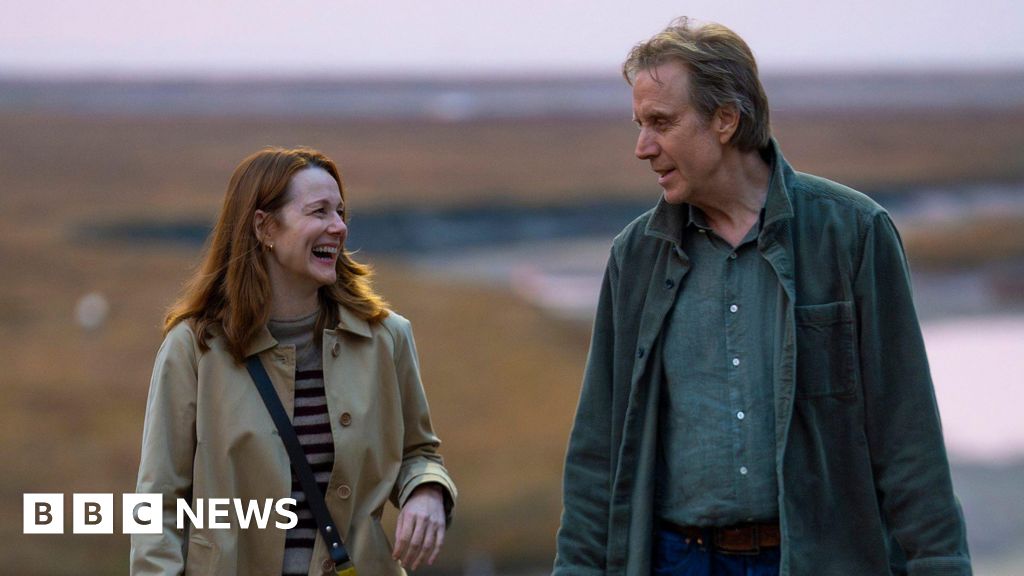
Notting Hill and Love Actually Actors Star in Groundbreaking BBC Film on Parkinson’s Disease
Renowned actors from iconic films like Notting Hill and Love Actually have joined forces for a new BBC production that delves into the complexities of Parkinson’s disease. The feature-length drama, which has already generated significant buzz, promises to shed light on a condition that affects millions globally. With its star-studded cast and emotionally resonant storyline, the film is poised to spark conversations about health, resilience, and the human experience.
The Cast and Their Impact
The project features a lineup of acclaimed performers, including Rhys Ifans and Laura Linney, both of whom have previously captivated audiences with their roles in beloved cinematic works. Ifans, known for his charismatic portrayal of the bookshop owner in Notting Hill, and Linney, whose heartfelt performance in Love Actually left a lasting impression, bring their signature depth to this new endeavor. Their involvement signals a commitment to using their platforms for meaningful storytelling.

While the film’s director and specific plot details remain under wraps, early reports suggest that the narrative will explore the personal and societal challenges faced by individuals living with Parkinson’s disease. The story is expected to balance moments of vulnerability with hope, offering a nuanced portrayal of a condition that often goes misunderstood.
Why Parkinson’s Disease Matters
Parkinson’s disease is a progressive neurological disorder that affects movement, often leading to tremors, stiffness, and difficulty with balance. According to the Parkinson’s Foundation, over 10 million people worldwide live with the condition, with symptoms typically worsening over time. Despite its prevalence, public awareness and understanding of Parkinson’s remain limited, leaving many patients and families to navigate its challenges without adequate support.
The film’s focus on this topic aligns with a growing trend of media addressing health issues with sensitivity and accuracy. By centering the story on the lived experiences of those affected, the production aims to challenge stereotypes and foster empathy. This approach not only educates audiences but also highlights the importance of ongoing research and advocacy efforts.
A Cultural Moment for Representation
The decision to tackle Parkinson’s disease through a high-profile film reflects a broader shift in the entertainment industry toward more inclusive and socially conscious storytelling. In recent years, creators have increasingly sought to amplify underrepresented voices and address pressing societal issues. This film continues that tradition, using the power of cinema to spark dialogue and drive change.
For actors like Ifans and Linney, the project represents more than just a professional opportunity—it’s a chance to contribute to a cause that resonates deeply. Their participation underscores the potential for celebrity influence to elevate awareness and encourage public engagement with critical health topics.
Public and Critical Reactions
Early previews of the film have already generated excitement among audiences and critics alike. A teaser released by the BBC showcased glimpses of the actors’ performances, with viewers noting the emotional weight and authenticity of the scenes. Social media platforms have been abuzz with speculation about the film’s themes and its potential to impact the conversation around Parkinson’s disease.
Health organizations have also expressed support for the project. The Parkinson’s UK charity praised the initiative, stating that “films like this play a vital role in breaking down barriers and fostering understanding. They remind us that behind every statistic is a person with a unique story.” Such endorsements highlight the film’s potential to serve as both entertainment and a catalyst for awareness.
Challenges and Opportunities
Creating a film centered on a complex medical condition presents unique challenges. Ensuring accuracy while maintaining artistic integrity requires collaboration with medical experts, patient advocates, and filmmakers. The production team has reportedly worked closely with neurologists and Parkinson’s support groups to craft a narrative that is both respectful and informative.
At the same time, the project offers opportunities to humanize the condition and challenge misconceptions. By portraying the everyday struggles and triumphs of those affected, the film can help combat stigma and encourage viewers to seek support or learn more about the disease. This dual focus on education and storytelling is a hallmark of impactful media.
What to Expect Next
While the film’s release date has not been officially announced, production is reportedly on track for a 2024 debut. Fans of the cast and supporters of health advocacy efforts are eagerly awaiting further details. The BBC has also hinted at a companion campaign to accompany the release, including educational resources and community engagement initiatives.

As the project progresses, its success will depend on its ability to balance artistic vision with social responsibility. If executed well, the film could become a landmark in both television and public health advocacy, proving that entertainment can be a powerful tool for change.
Frequently Asked Questions
What is the main theme of the film?
The film explores the personal and societal challenges of living with Parkinson’s disease, emphasizing resilience, empathy, and the human spirit.
How will the film address the topic of Parkinson’s disease?
The production aims to provide an authentic portrayal of the condition, drawing on input from medical professionals and patient communities to ensure accuracy and sensitivity.
What makes this film significant for public awareness?
By featuring well-known actors and focusing on a less-discussed health issue, the film has the potential to reach a wide audience and spark meaningful conversations about Parkinson’s disease.
Will the film include real-life stories or testimonials?
While specific details are not yet available, the production team has emphasized collaboration with patient advocates to incorporate real-life experiences into the narrative.
How can viewers support the cause after watching the film?
The BBC plans to launch a campaign alongside the film, offering resources
