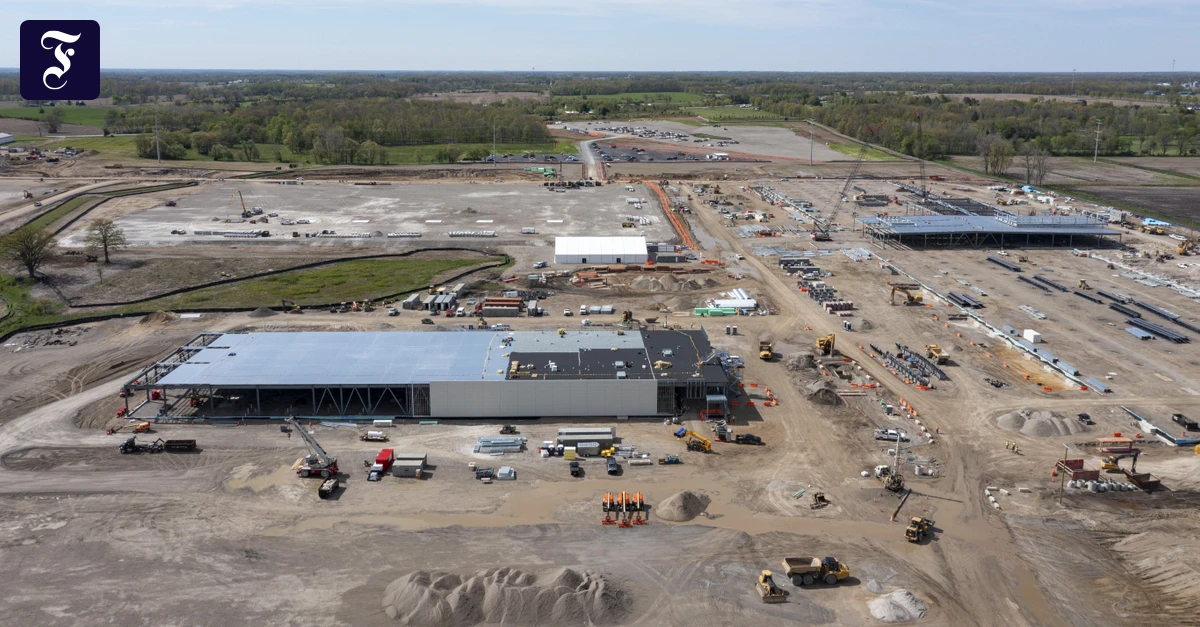
The rapid expansion of artificial intelligence is creating an environmental toll that may soon reach unsustainable levels, with projections suggesting that AI data centers could consume as much water as 1.3 billion people by 2030. This staggering estimate, highlighted in recent reports and UN-backed analyses, underscores a growing tension between the utility of generative AI and the physical resources required to sustain it.
- Water Consumption: AI infrastructure is projected to reach a water footprint equivalent to 1.3 billion people by 2030.
- Energy Shift: The massive power requirements for AI training and inference are triggering a new era of energy supply infrastructure.
- Environmental Footprint: UN reports indicate the ecological impact of AI is growing at an accelerating pace.
- Data Debate: Some analysts are questioning the reliability and methodology of these environmental impact studies.
The Resource Cost of Large-Scale Compute
At the heart of the issue is the physical infrastructure required to run Large Language Models (LLMs). Unlike traditional cloud computing, AI workloads require high-density GPU clusters that generate immense heat. To prevent hardware failure, data centers rely on cooling systems—many of which use evaporative cooling that consumes millions of gallons of fresh water.
According to reports on the UN footprint, this resource consumption is not linear but is growing rapidly as models become larger and more complex. The environmental cost encompasses not only the direct water usage for cooling but also the energy-intensive process of training models on massive datasets, which requires a constant, high-voltage power supply.
A New Era of Power Infrastructure
The energy demands of the AI boom are forcing a fundamental shift in how electricity is generated and distributed. Industry analysts describe this as the “Next Era” of power supply, as traditional grids struggle to accommodate the concentrated load of massive data center campuses.
This shift necessitates a transition toward more robust energy solutions, as the current infrastructure was not designed for the continuous, high-intensity draw required by AI inference and training. The urgency of this transition highlights a critical trade-off: the ability to deploy more powerful AI tools is now directly tied to the ability to scale energy production and cooling efficiency.
Debating the Reliability of Impact Studies
While the projected figures are alarming, the data is not without controversy. Some experts have raised questions regarding the reliability of the studies conducted by UN experts, suggesting that the methodologies used to calculate the total environmental footprint may need further scrutiny.

The debate centers on whether the projections account for upcoming efficiencies in hardware—such as more energy-efficient chips—and the transition to closed-loop cooling systems that recycle water. Despite these debates, the general consensus among researchers is that the current trajectory of AI growth poses a significant risk to local water tables and global energy targets.
The Balance of Utility and Sustainability
The core challenge for the technology sector is determining the price of AI’s utility. While AI offers transformative potential for medicine, science, and productivity, its physical requirements are creating a tangible ecological burden.
As the industry moves forward, the focus is expected to shift toward sustainable AI, where the success of a model is measured not only by its intelligence or speed but by its energy-per-token efficiency and its overall impact on the environment.
