Trump says US to declare ‘total victory’ over Iran in 2 weeks – Investing.com
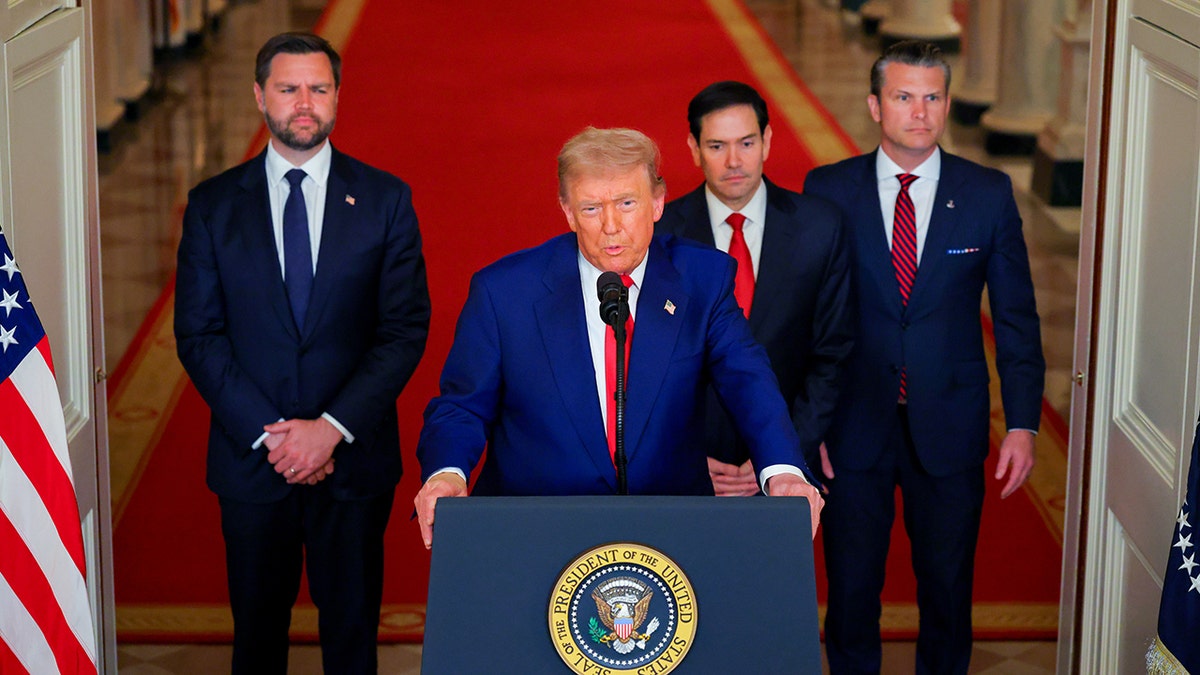
President Donald Trump has asserted that the United States is positioned to declare a “total victory” over Iran within a two-week timeframe, according to reporting from Investing.com. This bold claim comes amid a volatile period of Middle East negotiations and escalating military action in Lebanon, where the U.S. administration is attempting to balance aggressive diplomacy with Iran against the strategic interests of its allies.
What is the basis for the ‘total victory’ claim over Iran?
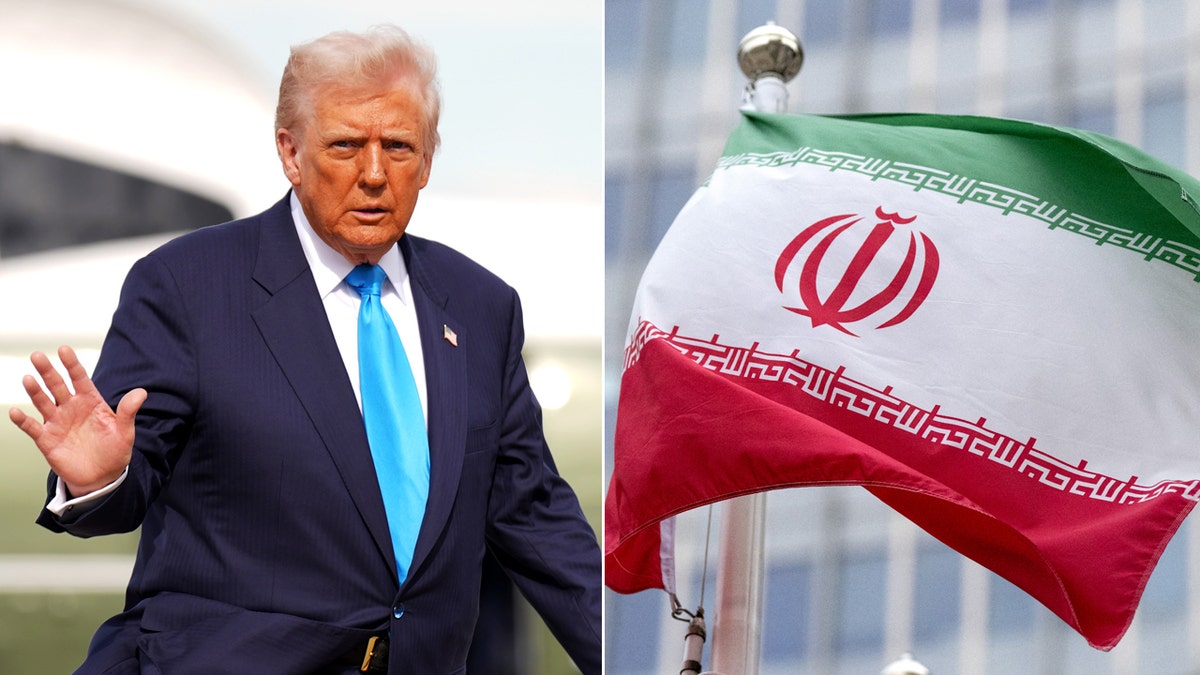
The assertion that the U.S. will achieve a “total victory” over Iran in two weeks, as reported by Investing.com, suggests a looming resolution or a significant strategic shift in the long-standing conflict between Washington and Tehran. While the specific terms of this “victory” have not been fully detailed, the rhetoric aligns with the administration’s broader strategy of leveraging maximum pressure to force concessions from the Iranian government.
This timeline indicates a sense of urgency or a specific milestone the administration believes is within reach. In the context of current negotiations, such a declaration could refer to a diplomatic breakthrough, the imposition of decisive new sanctions, or a commitment from Iran to drastically alter its nuclear and regional policies.
“We have all the power,” President Trump stated during ongoing negotiations, according to ABC News, signaling a belief that the U.S. holds the dominant hand in determining the outcome of the crisis.
How does the U.S. plan to handle Iran’s nuclear capabilities?
A central pillar of the current tension remains Iran’s nuclear program. According to NBC News, President Trump has indicated that the United States is willing to work directly with Iran to destroy its uranium stockpiles, provided that a comprehensive deal can be reached. This proposal suggests a shift toward a transactional approach: offering technical or political cooperation in exchange for the complete dismantling of Iran’s path to a nuclear weapon.
The focus on uranium destruction represents a high-stakes gambit. By offering to assist in the process, the U.S. may be attempting to provide Iran with a “face-saving” exit from its nuclear ambitions while ensuring the permanent removal of the threat. This approach contrasts with previous strategies that focused primarily on containment and sanctions without a clear, cooperative path toward disarmament.
Key Elements of the Proposed Nuclear Strategy
- Conditional Cooperation: The U.S. will only assist in uranium destruction if a formal deal is signed.
- Leverage: The administration believes the U.S. possesses the necessary power to dictate terms.
- Goal: Complete elimination of uranium supplies to prevent nuclear proliferation.
What is happening with the conflict in Lebanon and Israel?
While the administration focuses on a resolution with Iran, the regional situation remains precarious. Al Jazeera reports that Israel has continued bombing operations in Lebanon. This escalation has occurred despite direct warnings from President Trump to Prime Minister Benjamin Netanyahu to stop the military actions.

The humanitarian impact of these strikes is intensifying. According to The Guardian, Israel has issued forced evacuation orders for residents of the Lebanese city of Tyre. These orders typically precede intensified military operations, contributing to a growing displacement crisis in southern Lebanon.
The friction between the White House and the Israeli government highlights a complex balancing act. Trump is attempting to project strength and “victory” over Iran while simultaneously trying to prevent a full-scale regional war that could destabilize the very negotiations he is conducting with Tehran.
| Entity | Recent Action/Status | Source |
|---|---|---|
| United States | Claims “total victory” imminent; warns Israel to stop bombing. | Investing.com / Al Jazeera |
| Iran | Engaged in negotiations; facing pressure on uranium stockpiles. | NBC News / ABC News |
| Israel | Bombing Lebanon; ordering evacuations in Tyre. | Al Jazeera / The Guardian |
| Lebanon | Experiencing airstrikes and forced civilian displacements. | The Guardian |
Why does the ‘total victory’ timeline matter?
The two-week window mentioned by Investing.com is significant because it places a public deadline on the administration’s foreign policy goals. In international diplomacy, such deadlines are often used as psychological tools to force an opponent to the table or to signal to domestic audiences that a resolution is near.
If the administration fails to produce a tangible “victory” within this period, it could be perceived as a loss of momentum. Conversely, if a deal is reached, it would be framed as a validation of the “all the power” approach cited by ABC News. The stakes involve not only the nuclear status of Iran but also the stability of the Levant, as the U.S. attempts to decouple the Iran-Israel tension from the active conflict in Lebanon.
Potential Scenarios for the Next 14 Days
- Diplomatic Breakthrough: Iran agrees to the destruction of uranium in exchange for sanctions relief or security guarantees.
- Escalation: Failure to reach a deal leads to increased U.S. pressure or further regional conflict.
- Strategic Pivot: The “victory” is declared based on a symbolic or partial agreement rather than a total resolution.
Contradictions in the U.S. approach to the Middle East
There is a visible tension between the administration’s rhetoric and the reality on the ground. On one hand, the U.S. claims to be on the verge of a “total victory” and asserts that it holds “all the power.” On the other hand, the administration is struggling to restrain its closest ally, Israel, from expanding its military operations in Lebanon.
This creates a paradoxical environment:
- The Diplomatic Track: Seeking a deal with Iran to eliminate nuclear threats.
- The Military Track: Managing the fallout of Israeli bombings and forced evacuations in Tyre.
The ability of the U.S. to maintain this duality will determine whether the “total victory” is a sustainable peace or a temporary lull in hostilities. The warning to Netanyahu suggests that the White House views Israeli military escalation as a potential spoiler for the Iranian negotiations.
For a deeper look at the geopolitical stakes, readers may find a related explainer on nuclear non-proliferation treaties useful in understanding the legal framework surrounding uranium destruction.
Common Misconceptions About the Iran-US Negotiations
Misconception: The “total victory” refers to a military conquest of Iran.
Based on the reports from NBC News and ABC News, the administration is focusing on negotiations and the destruction of nuclear materials. The “victory” is more likely to be diplomatic or strategic rather than a conventional military invasion.
Misconception: The U.S. and Israel are in complete alignment regarding Lebanon.
The report from Al Jazeera explicitly states that Trump warned Netanyahu to stop the bombings, indicating a divergence in immediate tactical goals between the White House and the Israeli government.
Misconception: A deal on uranium means all tensions with Iran are resolved.
While destroying uranium is a critical step, the broader conflict involves regional proxies, missile programs, and economic sanctions, which may not be fully addressed in a narrow nuclear-focused agreement.
Frequently Asked Questions
What did Trump mean by “total victory” over Iran?
According to Investing.com, President Trump claims the U.S. will declare a “total victory” in two weeks. While the exact terms aren’t specified, context from ABC News and NBC News suggests this involves leveraging U.S. power to force Iran into a deal, potentially including the destruction of its uranium.
Is the U.S. currently at war with Iran?
The U.S. and Iran are engaged in a high-tension geopolitical struggle involving sanctions and diplomatic negotiations. While there are reports of regional conflicts—such as Israel bombing Lebanon—the current focus of the U.S. administration, as reported by ABC News, is on negotiations where they believe they hold “all the power.”
Why is Israel evacuating residents of Tyre?
As reported by The Guardian, Israel has issued forced evacuation orders for residents of Tyre, a Lebanese city. This is typically a precursor to increased military activity or airstrikes in that specific area.
Will the U.S. help Iran destroy its uranium?
NBC News reports that President Trump said the U.S. would work with Iran to destroy its uranium if the two nations can successfully reach a deal.
Has the U.S. stopped Israel from bombing Lebanon?
Al Jazeera reports that President Trump has warned Prime Minister Netanyahu to stop the bombings; however, the report also notes that Israel has continued its military actions in Lebanon despite this warning.
The coming two weeks will be critical in determining if the administration’s claims of “total victory” translate into a tangible shift in Middle Eastern security or if the regional escalation in Lebanon will overshadow the diplomatic efforts in Tehran. Observers will be watching for any formal announcements regarding uranium destruction or a finalized deal that would justify the administration’s confident timeline.
