
Toxic Oak Processionary Moth caterpillars are spreading rapidly across Switzerland and Germany, with reports indicating that an entire Swiss forest has been infested for the first time. Local reports describe the current period as an exceptionally strong infestation year, raising public health concerns due to the insects’ poisonous hairs.
-
Fast Facts
- Species: Oak Processionary Moth (Eichenprozessionsspinner).
- Primary Risk: Toxic hairs causing severe allergic reactions.
- Regions Affected: Switzerland and Germany (specifically the Celle region).
- Key Development: First recorded instance of a complete forest infestation in Switzerland.
Why is the caterpillar population surging?
The current surge is being characterized as an “exceptionally strong infestation year,” according to reports from the Tages-Anzeiger. This rapid multiplication has led to an unprecedented expansion of the species’ reach. In Switzerland, the situation has escalated to the point where an entire forest has been affected for the first time, according to blue News.
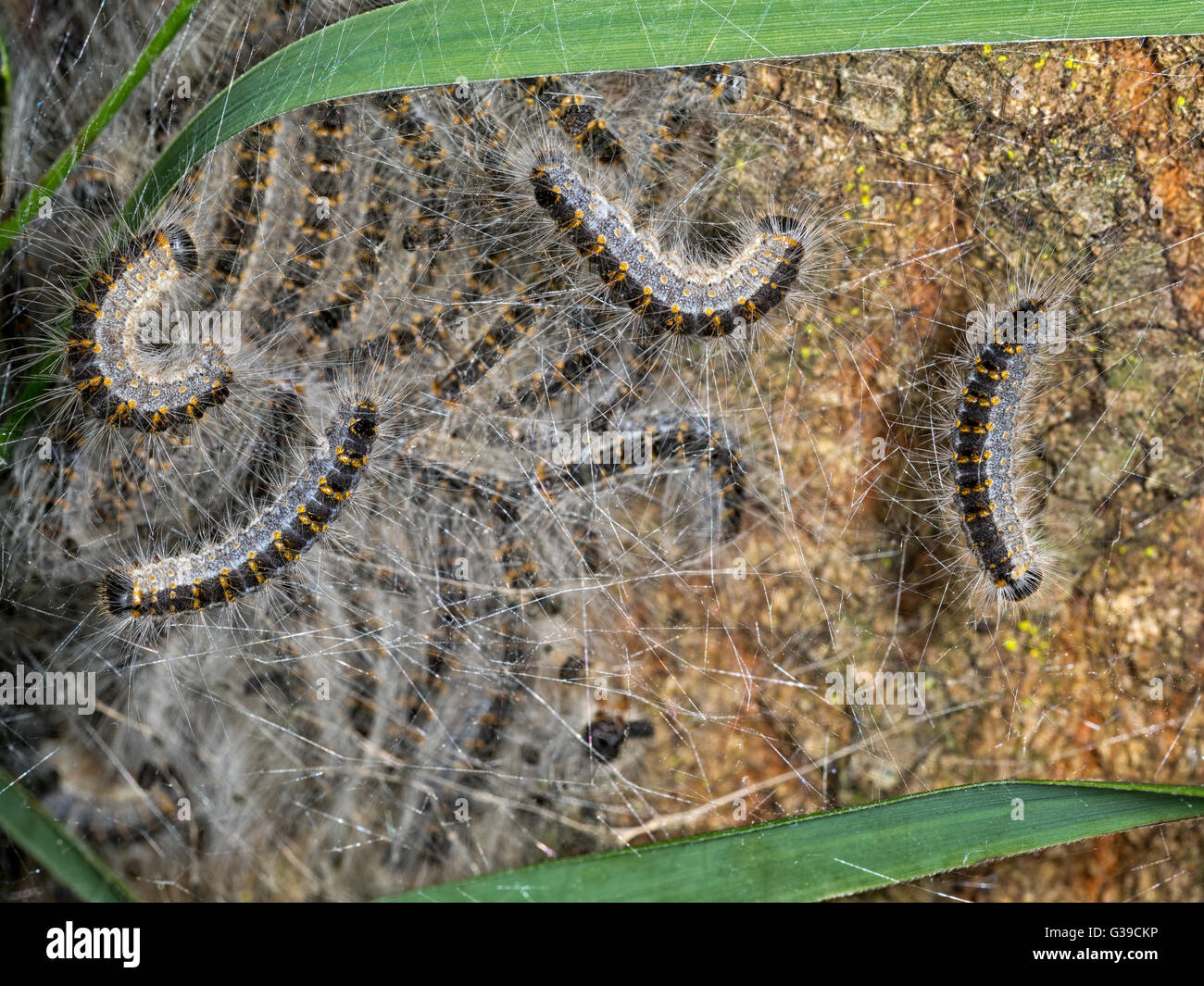
Reports from SWI swissinfo.ch confirm that these toxic caterpillars are continuing to advance across the region, suggesting a broader geographical shift in the infestation patterns compared to previous years.
What are the health risks in Germany and Switzerland?
The primary danger stems from the caterpillars’ poisonous hairs, which can cause significant allergic reactions in humans. In Celle, Germany, local reports from the Cellesche Zeitung indicate a massive spread of the species, specifically warning the public about the increased risk of allergies.
The hairs of the Oak Processionary Moth can cause skin irritation, respiratory issues, and other allergic responses upon contact or inhalation, necessitating public warnings in affected urban and forested areas.
How are authorities managing the infestation?
To combat the spread and protect public spaces, tree care specialists have been deployed in intensive operations. According to main-echo.de, these workers are currently in “constant use” to manage the caterpillars and mitigate the risk to the public.
A video report details the ongoing efforts of tree care professionals as they work to clear infestations from affected trees:
The scale of the current infestation has forced a shift in resource allocation, with maintenance crews working continuously to keep public pathways and parks safe from the toxic larvae.
