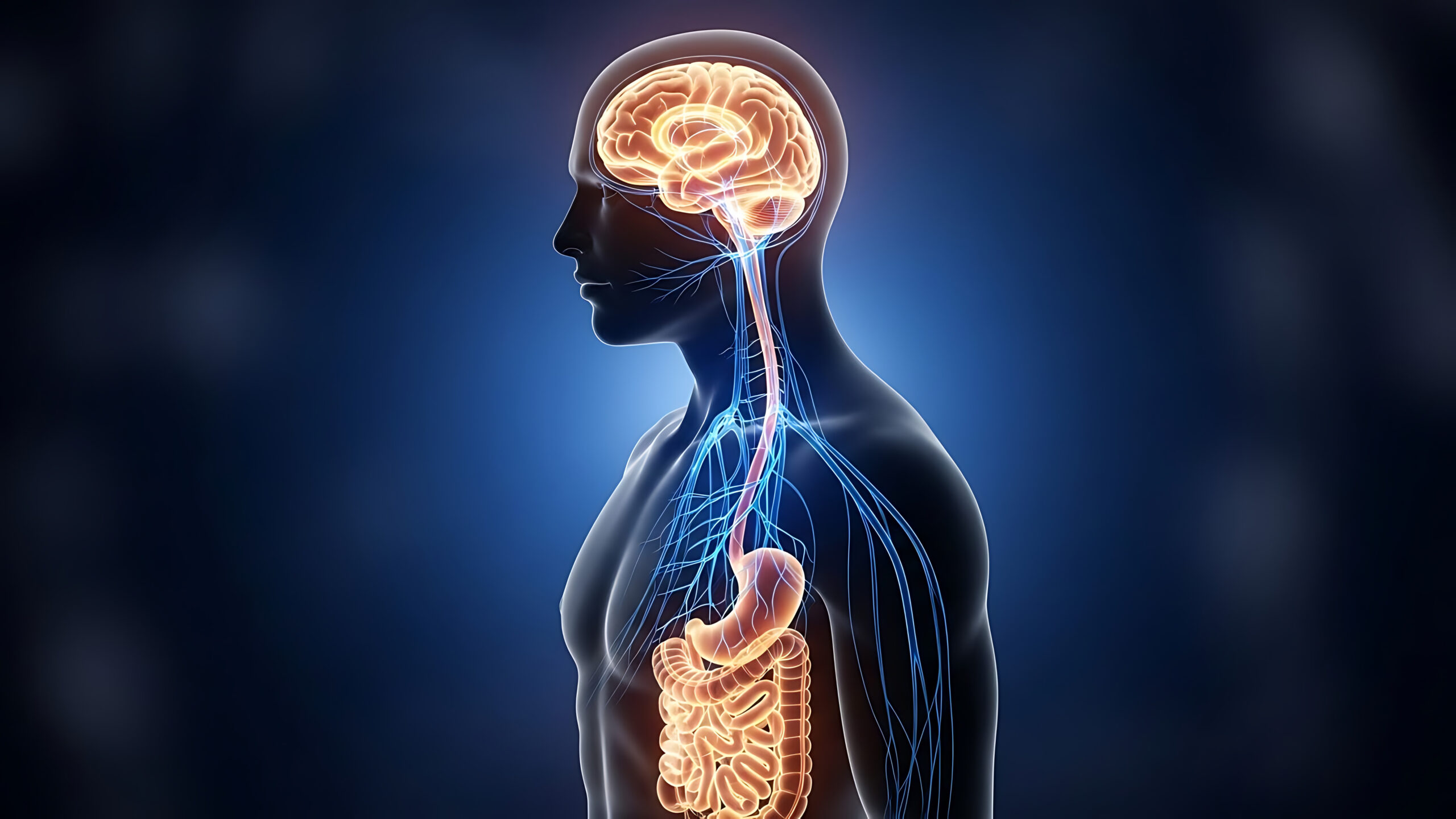
Recent research into the gut-brain axis indicates that the microbiome significantly influences neurological and cardiovascular health, with specific bacteria and metabolites linked to the management of depression, heart risk, and multiple sclerosis. These findings suggest that gut health is shaped not only by diet but also by social environments and biological pathways connecting the intestines to the brain.
Key Findings
- Multiple Sclerosis: Propionic acid is associated with a 30% increase in defense cells related to MS, according to AD HOC NEWS.
- Mental and Heart Health: Three specific bacteria have been identified as key factors in fighting depression and reducing cardiovascular risks, as reported by it boltwise.
- Biological Pathways: Gut bacteria can reach the brain via a critical nerve, according to Infosperber.
- Environmental Impact: Culture, stress, and social surroundings actively shape the health of the gut, according to Biermann Medizin.
How Does the Gut Influence Multiple Sclerosis?
Evidence suggests a direct link between gut metabolites and the immune response in neurological diseases. According to AD HOC NEWS, propionic acid—a short-chain fatty acid—increases defense cells associated with multiple sclerosis by 30%. This suggests that the chemical environment of the gut may play a role in modulating the body’s immune response to MS.

What Links the Microbiome to Depression and Heart Risk?
The relationship between intestinal flora and systemic health extends to both the heart and the mind. According to it boltwise, three specific bacteria act as key components in combating depression and lowering heart-related risks. This biological connection is complemented by dietary factors; research cited by womenshealth.de indicates that fiber intake may provide benefits for both the gut and mental well-being.
How Do Gut Bacteria Communicate With the Brain?
The communication between the digestive system and the central nervous system is not merely chemical. According to reporting from Infosperber, gut bacteria are capable of reaching the brain through a key nerve, providing a physical pathway for the microbiome to influence brain function.
What External Factors Shape Gut Health?
While diet and biology are central, the gut is also responsive to external psychological and social pressures. According to Biermann Medizin, the health of the gut is shaped by culture, stress, and the social environment, indicating that the gut-brain axis is influenced by a person’s lifestyle and surroundings as much as their internal biology.
