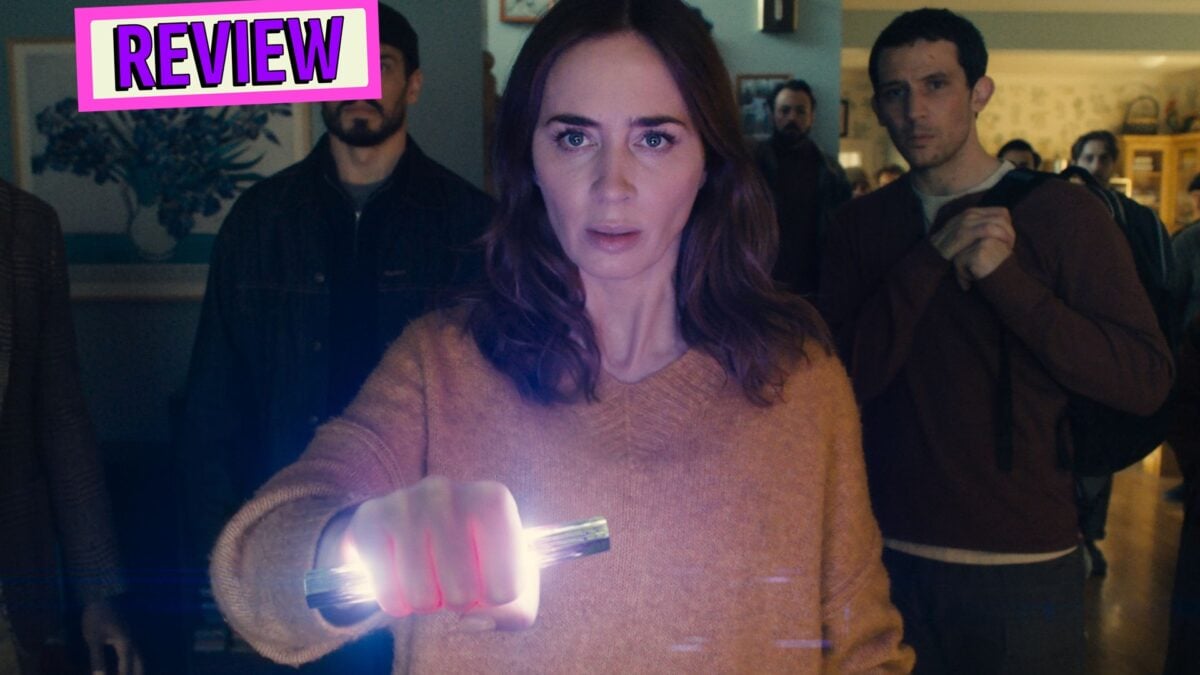
Steven Spielberg Returns to UFOs with ‘Disclosure Day’ Sci-Fi Spectacle
Steven Spielberg has released a new alien-themed blockbuster titled Disclosure Day, which Gizmodo describes as an “unforgettable Steven Spielberg Sci-Fi Spectacle.” The film focuses on government cover-ups and extraterrestrial contact, aligning with Spielberg’s stated belief, reported by the BBC, that humans will discover alien life within their lifetime.
What is ‘Disclosure Day’ and why is it generating buzz?
Disclosure Day marks the return of Steven Spielberg to the large-scale science fiction genre, specifically focusing on the intersection of UFOs and government secrecy. According to reports from ITVX, the film is a major blockbuster designed to revisit the themes of alien contact that Spielberg first popularized decades ago. The movie has already drawn significant critical attention for its scale and thematic ambition.
Gizmodo characterizes the production as an “unforgettable” spectacle, emphasizing the visual and emotional impact of the film. The narrative centers on the concept of “disclosure”—the hypothetical moment a government admits to the existence of extraterrestrial intelligence. This premise moves the film beyond a simple “first contact” story and into the realm of a political and social thriller.
The film arrives at a time of heightened public interest in Unidentified Anomalous Phenomena (UAP). By blending high-concept sci-fi with the tension of a conspiracy plot, Spielberg attempts to mirror contemporary debates regarding national security and cosmic transparency.
How does ‘Disclosure Day’ handle the theme of alien conspiracies?
The Guardian describes Disclosure Day as a “conspiracy spectacular,” noting that the film explores “close encounters of a deferred kind.” This phrasing suggests a narrative where the actual meeting with aliens is delayed or manipulated by human institutions, shifting the focus from the aliens themselves to the people hiding them.
Unlike some sci-fi films that focus on alien invasions or benevolent visitors, Disclosure Day appears to prioritize the psychological and political fallout of a cover-up. The “deferred” nature of the encounters implies a story about anticipation, deception, and the slow leak of truth.
- Institutional Secrecy: The film examines how governments manage information regarding non-human intelligence.
- Public Reaction: It explores the societal chaos and wonder that accompany the revelation of extraterrestrial life.
- The “Disclosure” Event: The plot hinges on the specific day the truth is made public, treating the event as a catalyst for global change.
“Disclosure Day review – close encounters of a deferred kind in Spielberg’s conspiracy spectacular” — The Guardian
Why is Steven Spielberg focused on alien life in 2026?
Spielberg’s creative choices for Disclosure Day are rooted in his personal convictions. According to the BBC, the director believes that the discovery of aliens will occur within our lifetime. This belief transforms the film from a mere entertainment piece into a reflection of the director’s own worldview.
The timing of the film’s release and its themes are not accidental. The BBC has highlighted why Spielberg’s 1977 classic, Close Encounters of the Third Kind, remains relevant in 2026. The 1977 film focused on the wonder and obsession of first contact; Disclosure Day evolves this by focusing on the systemic concealment of that contact.
The transition from the “wonder” of the 1970s to the “conspiracy” of the 2020s reflects a shift in how the public views authority. While Close Encounters featured a government that was secretive but ultimately cooperative, Disclosure Day leans into the modern “disclosure” movement, where the government is often viewed as an adversary hiding the truth from the citizenry.
Comparing Spielberg’s Alien Narratives
| Feature | Close Encounters (1977) | Disclosure Day (2026) |
|---|---|---|
| Primary Theme | Wonder and Communication | Secrecy and Revelation |
| Government Role | Organized and Secretive | Conspiratorial and Manipulative |
| Core Emotion | Awe/Curiosity | Tension/Suspense |
| Contact Type | Direct and Event-based | Deferred and Systemic |
What is the critical reception of the film?
Initial reactions to the film highlight a divide in how the “spectacle” is perceived. Gizmodo leans heavily into the visual and cinematic achievement, labeling it an “unforgettable” experience. This suggests that the film utilizes modern technology to create imagery that exceeds the capabilities of the 1970s era, while maintaining the “Spielbergian” sense of scale.
The Guardian’s framing is more analytical, focusing on the “conspiracy” elements. By calling it a “spectacular” in the context of a conspiracy, the outlet suggests that the film’s strength lies in its ability to weave a complex web of lies and revelations that keep the audience engaged.
ITVX positions the film as a “blockbuster,” indicating that despite its complex themes of government cover-ups, it remains accessible to a wide audience. The combination of these perspectives suggests a film that balances intellectual curiosity about the universe with the visceral thrills of a high-budget production.
Key Points of Critical Praise
- Visual Fidelity: The “spectacle” mentioned by Gizmodo suggests a high standard of CGI and practical effects.
- Thematic Depth: The Guardian highlights the sophisticated handling of the “deferred encounter” trope.
- Genre Evolution: Critics note the shift from the optimistic alien contact of the 20th century to the cynical, conspiracy-driven contact of the 21st.
How does ‘Disclosure Day’ relate to real-world UFO discourse?
The film taps into a specific cultural phenomenon known as the “Disclosure Movement.” This movement posits that world governments possess crashed extraterrestrial craft and biological entities, and that a formal “disclosure” is necessary for human evolution.
By naming the film Disclosure Day, Spielberg directly references this terminology. The film serves as a fictional exploration of a scenario that thousands of activists and some former government officials have claimed is real. This connection gives the movie a layer of topicality that separates it from standard sci-fi fantasies.
The BBC’s analysis of the relevance of Spielberg’s work in 2026 suggests that the line between science fiction and political discourse has blurred. As official government reports on UAPs become more common, a film about the “day of disclosure” feels less like a fantasy and more like a “what if” scenario based on current events.
For those interested in the history of this genre, a related explainer on the evolution of UFO cinema provides further context on how these stories have shifted from “invaders” to “visitors” to “secrets.”
Common misconceptions about the film’s premise
One common misconception is that Disclosure Day is a direct sequel to Close Encounters of the Third Kind. While it shares thematic DNA and a director, the sources indicate it is a “new alien blockbuster” rather than a chronological continuation. It is a spiritual successor that updates the themes for a new era.
Another misunderstanding is that the film is a documentary or a “mockumentary” about UFOs. While it deals with conspiracies, it is described as a “spectacle” and a “blockbuster,” confirming it is a scripted narrative feature. It uses the language of disclosure to tell a fictional story, rather than attempting to prove the existence of aliens in reality.
Finally, some may assume the film is a dark, dystopian take on aliens. However, the association with Spielberg—who typically maintains a sense of hope and humanity—and the description of the film as a “spectacle” suggest that while it deals with cover-ups, it likely retains the wonder associated with the director’s previous extraterrestrial works.
What makes this film a ‘spectacle’ according to critics?
When Gizmodo refers to the film as an “unforgettable Steven Spielberg Sci-Fi Spectacle,” the term “spectacle” refers to more than just explosions. In the context of Spielberg’s filmography, spectacle often involves the “money shot”—the moment of profound visual revelation that defines the movie.
In Disclosure Day, this spectacle is likely tied to the “Disclosure” event itself. The cinematic representation of a global revelation—where the entire world learns the truth simultaneously—provides a scale that is inherently spectacular. The Guardian’s mention of “deferred” encounters suggests a slow build-up, making the eventual visual payoff more impactful.
The use of modern cinematography allows Spielberg to explore the vastness of space and the intricacy of alien technology with a precision that was impossible in 1977. This technical evolution, combined with a high-stakes plot, creates the “spectacle” that critics are highlighting.
Elements of the Spielberg Spectacle
- Scale: Moving from individual experiences to global events.
- Lighting and Atmosphere: Utilizing contrast and light to create a sense of the unknown.
- Emotional Resonance: Pairing massive visual effects with intimate human reactions.
Frequently Asked Questions
What is the plot of ‘Disclosure Day’?
While full plot details are kept secret, Disclosure Day is described as a “conspiracy spectacular” involving government cover-ups and the eventual revelation of extraterrestrial life. It focuses on the “disclosure” of alien existence to the general public.
Is ‘Disclosure Day’ a sequel to Close Encounters of the Third Kind?
No. According to reports, it is a new blockbuster. While it shares themes of alien contact and is directed by Steven Spielberg, it is not a direct narrative sequel to his 1977 film.
Does Steven Spielberg actually believe in aliens?
Yes. As reported by the BBC, Spielberg has stated his belief that humans will discover extraterrestrial life within their lifetime.
Where can I watch ‘Disclosure Day’?
The film is a major theatrical release. Updates on streaming availability or cinema dates can be found via major entertainment outlets like ITVX.
How is the film different from other UFO movies?
Unlike traditional alien invasion films, Disclosure Day focuses on the political and social implications of a government cover-up and the specific event of “disclosure,” making it more of a conspiracy thriller than an action movie.
The arrival of Disclosure Day signals a return to form for Spielberg in the sci-fi genre, bridging the gap between the optimistic curiosity of the 1970s and the skeptical, information-driven era of the 2020s. By centering the story on the act of revelation, the film addresses modern anxieties about truth and authority while maintaining the visual grandeur expected of a Hollywood blockbuster.
