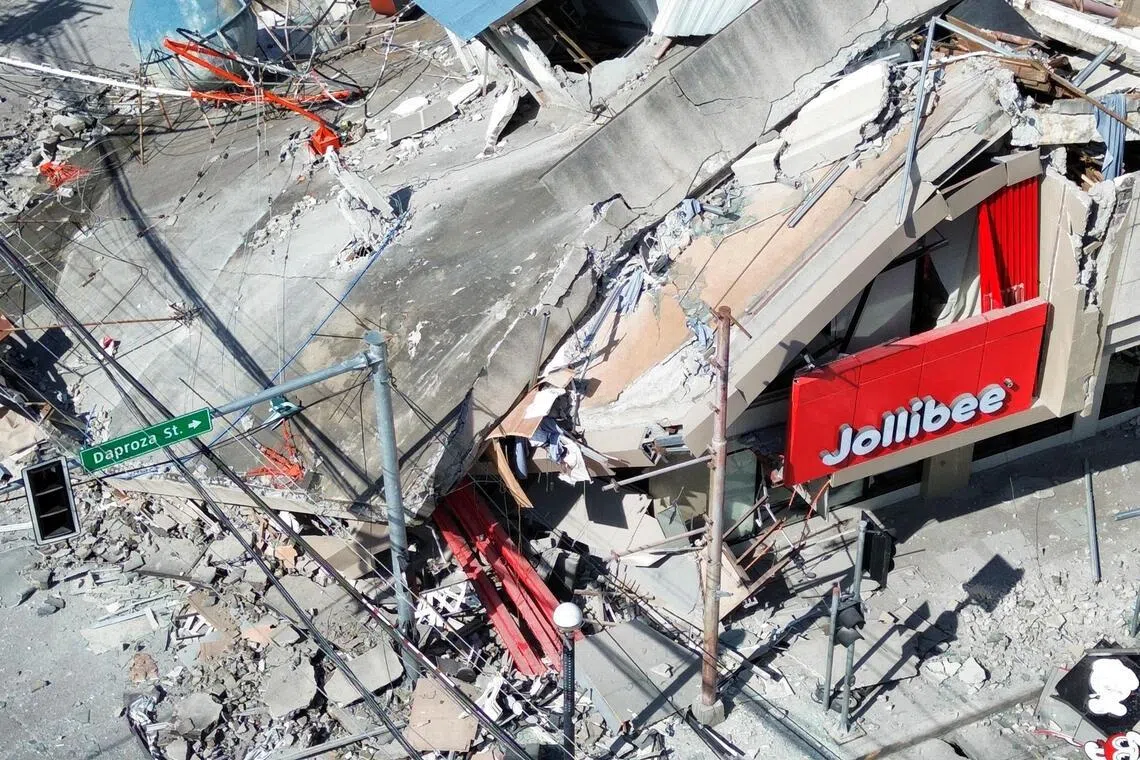
Over 1,000 Aftershocks Recorded After Powerful Mindanao Earthquake: Death Toll Rises as Region Recovers
A magnitude 7.8 earthquake struck the southern Philippines on Monday, June 8, 2026, killing at least 35 people and triggering widespread devastation across Mindanao. The powerful quake caused lethal landslides in Sarangani province and generated tsunami waves that reached as far as southern Japan, Indonesia, and Palau. Authorities continue to warn residents of extreme danger as the region grapples with a relentless series of aftershocks.
What Happened During the Mindanao Earthquake?
At 7:37 a.m. on Monday, June 8, 2026, a massive 7.8-magnitude earthquake rocked the southern Philippines. This event has been identified as the strongest earthquake to hit the Philippine archipelago so far this year. The shaking was felt intensely across the Mindanao region, causing immediate structural failures and panic in major urban centers.
In the port city of General Santos, a critical regional hub for commerce and the tuna export industry with a population exceeding 700,000, the impact was severe. Residents reported dashing out of their homes and into the streets as buildings shook violently. Rod Sosmeña, the regional director of the Office of Civil Defense, described the suddenness of the event while traveling through General Santos, noting that his pickup truck jerked so violently he initially believed he had a flat tire.
The devastation extended to Davao, where regional disaster-response official Ednar Dayanghirang reported that the ground shook so intensely he could “hardly stand and keep my balance” as he was leaving his residence.
| Detail | Event Information |
|---|---|
| Date | June 8, 2026 |
| Time | 7:37 a.m. |
| Magnitude | 7.8 |
| Primary Region Affected | Mindanao, Southern Philippines |
| Confirmed Death Toll | At least 35 |
Casualties and the Sarangani Landslides
The human cost of the earthquake has been stark, with the death toll currently standing at at least 35 people. A significant portion of these fatalities occurred in Sarangani province, where the seismic activity triggered catastrophic landslides in mountainous terrain.
Rene Punzalan, a disaster-mitigation official for Sarangani province, confirmed to the DZBB radio network that 13 villagers were killed when a landslide, set off by the quake, buried houses in the town of Glan. In addition to the landslide victims, another four villagers in Sarangani died, though the specific causes of those deaths remain unclear. In total, at least 17 people were killed within the province alone.
The combination of steep topography and intense seismic shaking made mountainous areas like Glan particularly vulnerable. Landslides often pose a greater threat than the shaking itself in these regions, as entire residential clusters can be buried in seconds, complicating rescue efforts and increasing the fatality rate.
Tsunami Warnings and International Impact
The magnitude of the 7.8 quake was sufficient to displace massive volumes of seawater, triggering tsunami warnings across the southern Philippines. While the resulting waves were characterized as “small,” their reach was expansive, demonstrating the far-reaching impact of the seismic event.
Tsunami activity was not limited to Philippine shores. Smaller waves were detected in several neighboring and distant regions:
- Indonesia: Small waves were recorded following the initial quake.
- Palau: Tsunami sensors detected wave activity.
- Southern Japan: Waves were detected as far away as the Japanese archipelago, highlighting the scale of the energy released during the event.
The detection of waves in southern Japan underscores the potency of a 7.8-magnitude event, as the energy propagates across the Pacific basin. While these waves did not cause widespread destruction abroad, they triggered high-alert protocols for maritime and coastal authorities across the region.
The Danger of Ongoing Aftershocks
The immediate aftermath of the main shock has been characterized by a volatile seismic environment. In the wake of the powerful Mindanao earthquake, the region has been plagued by a high volume of aftershocks, creating a secondary crisis for survivors and emergency responders.
Teresito Bacolcol, the director of the Philippine Institute of Volcanology and Seismology (PHIVOLCS), has categorized the event as a “major earthquake.” He has issued urgent warnings to the public, specifically advising people to seek professional guidance before attempting to re-enter any buildings or houses that sustained damage.
“It’s a major earthquake,” stated Teresito Bacolcol, warning that damaged structures could collapse entirely during subsequent aftershocks.
The risk of structural collapse is a primary concern for disaster management teams. Buildings that may appear stable after the initial quake often suffer from “hidden” structural fatigue. When a strong aftershock hits, these compromised buildings can fail catastrophically, leading to further casualties among residents attempting to salvage belongings or return home.
Why Aftershocks Are Dangerous
Aftershocks are smaller earthquakes that occur in the same general area as the main shock. While they are typically less powerful than the original event, they are dangerous for several reasons:
- Structural Weakening: The main quake often creates cracks in foundations and supports; aftershocks can cause these weakened points to give way.
- Psychological Stress: Constant shaking prevents displaced populations from feeling safe, hindering the recovery process.
- Secondary Hazards: Continued shaking can trigger further landslides in already unstable slopes, such as those seen in Glan.
Regional and Economic Implications
Beyond the immediate loss of life, the earthquake has struck a vital economic artery of the southern Philippines. The city of General Santos is not merely a population center of 700,000 people; it is the primary hub for the tuna export industry.
The disruption of port operations, warehouse damage, and the potential loss of cold-storage infrastructure in General Santos could have ripple effects on the regional economy. As a center for commerce, any prolonged instability in the city affects the supply chain for seafood exports and local trade across Mindanao.
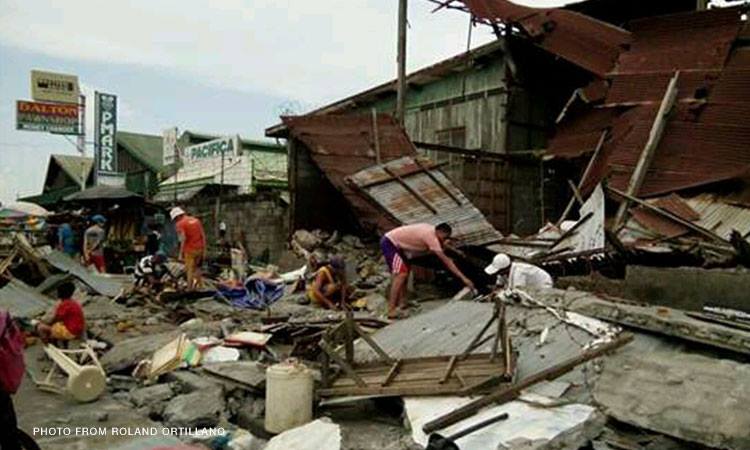
The collapse of small buildings and the damage to infrastructure in port cities like General Santos and Davao mean that the road to recovery will require significant investment in seismic retrofitting and urban planning to prevent similar levels of destruction in future events.
For those tracking regional stability, this event serves as a reminder of the Philippines’ position on the Pacific Ring of Fire, where tectonic activity is constant and the potential for high-magnitude events is ever-present. related explainer on the Pacific Ring of Fire and seismic risks
Summary of Key Impacts
- Human Toll: At least 35 dead, with a heavy concentration of fatalities in Sarangani province due to landslides.
- Infrastructure: Small buildings collapsed; significant shaking reported in General Santos and Davao.
- Environmental: Landslides in Glan; small tsunamis detected in the Philippines, Indonesia, Palau, and Japan.
- Current Status: PHIVOLCS warns against entering damaged buildings due to the risk of collapse from ongoing aftershocks.
Frequently Asked Questions
What was the magnitude of the Mindanao earthquake?
The earthquake that struck the southern Philippines on June 8, 2026, had a magnitude of 7.8.
How many people were killed in the earthquake?
The death toll has risen to at least 35 people, with 17 of those deaths occurring in Sarangani province, including 13 people killed by a landslide in Glan.
Did the earthquake cause a tsunami?
Yes, it sparked small tsunamis in the southern Philippines and generated waves that were detected in Indonesia, Palau, and as far away as southern Japan.
Which cities were most affected?
General Santos, a major port city and tuna export hub, and Davao were among the hardest-hit urban areas, while the town of Glan in Sarangani province suffered severe landslide damage.
Why are people being told not to return to their homes?
Teresito Bacolcol of PHIVOLCS warned that buildings damaged during the initial 7.8-magnitude quake are unstable and could collapse during the frequent aftershocks currently hitting the region.
