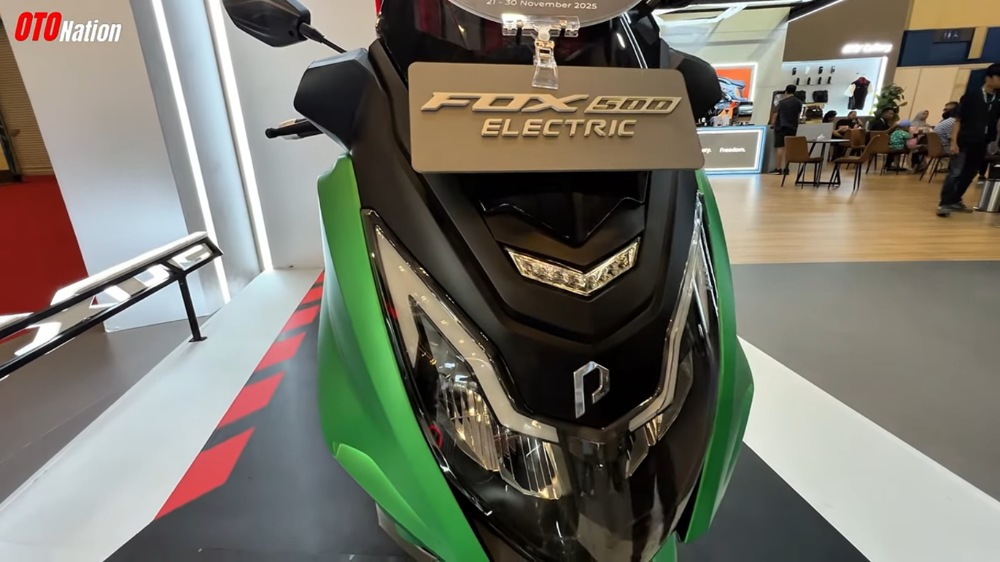
Polytron showcased the Fox 500 electric motorcycle at GJAW 2025, featuring a 5,000-watt motor and a top speed of 130 km/h. This high-performance model joins the more accessible Fox 350, which offers a 136 km range and utilizes a battery rental pricing scheme, according to local media reports.
- Polytron Fox 500: 5,000W motor, 130 km/h top speed.
- Polytron Fox 350: Priced between Rp15 million and Rp16 million with a 136 km range.
- Business Model: The Fox 350 employs a battery rental system to lower the initial purchase price.
- Competitive Set: The Fox R is positioned against the ALVA N3 for daily commuting and office use.
How the Fox 500 Performance Specs Compare
The Polytron Fox 500 represents a shift toward higher performance in the brand’s electric vehicle lineup. According to local media reports, the motorcycle’s 5,000-watt motor allows it to reach a top speed of 130 km/h, positioning it as a premium option for users requiring more power than standard city commuters. The model gained significant attention during its appearance at the GJAW 2025 exhibition.

What Drives the Fox 350’s Pricing Model
Polytron is targeting a different market segment with the Fox 350, focusing on affordability and range. The motorcycle is available to consumers at a price point of approximately Rp15 million to Rp16 million, according to local reports. This lower entry cost is made possible through a battery rental scheme, where the user pays for the vehicle but rents the battery separately rather than owning it outright.
Technically, the Fox 350 emphasizes endurance over raw speed, delivering a travel distance of 136 km on a single charge. This creates a clear distinction in the Polytron catalog: the Fox 500 targets speed and power, while the Fox 350 targets long-distance efficiency and low upfront costs.
Fox R vs. ALVA N3: Daily Commuting Trade-offs
In the broader market for daily and office commuting, the Polytron Fox R competes directly with the ALVA N3. Local media analysis suggests that the choice between these two models depends on specific user priorities for urban transit. While both are designed for the “ngantor” (office-going) demographic, they differ in their feature sets and operational costs.
The integration of battery rental options across the Polytron line, as seen with the Fox 350, remains a primary differentiator against competitors who may rely on traditional battery ownership models, which typically increase the initial purchase price.
