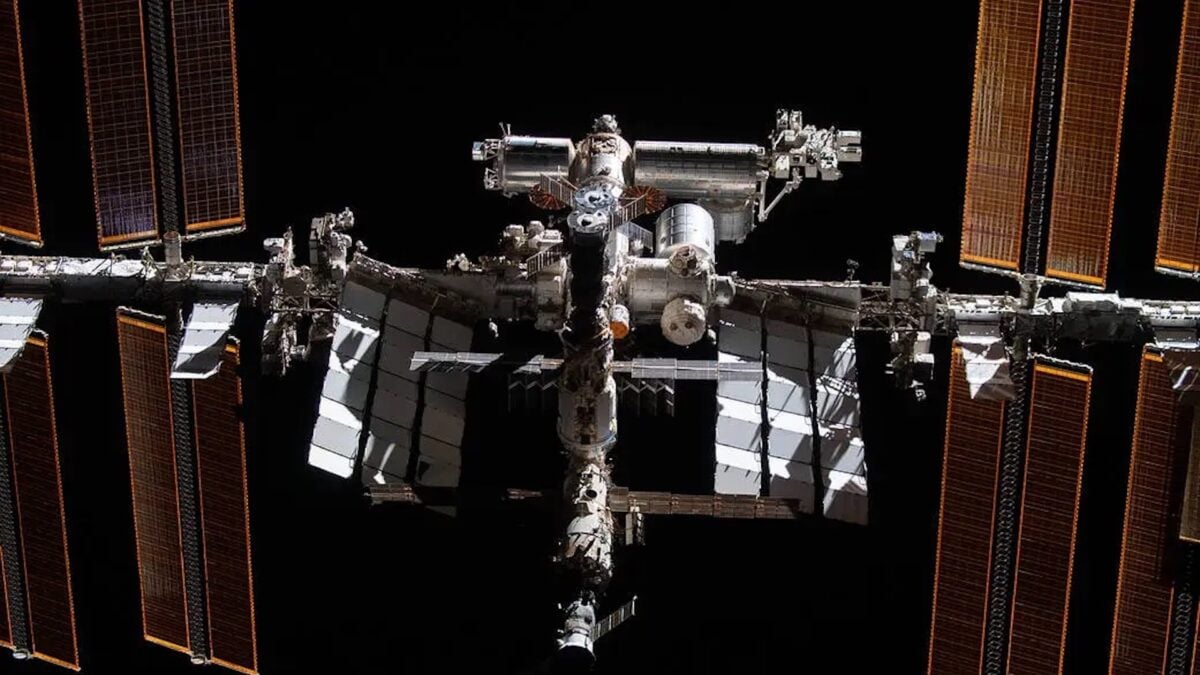
NASA’s Crew Safety Alert Exposed a Bigger ISS Leak Problem – Gizmodo
NASA reversed an evacuation alert for International Space Station (ISS) astronauts after an air leak prompted emergency crew safety precautions. While NASA officials paused repair efforts and allowed the crew to return to normal operations, the incident highlighted ongoing challenges with the station’s structural integrity and pressure maintenance, according to reports from Gizmodo and NASA.
What triggered the NASA crew safety alert on the ISS?
The emergency began when NASA detected a loss of pressure on the International Space Station, leading officials to issue a crew safety alert. According to reports from Sky News and The Guardian, this alert required astronauts to take shelter and prepare for a potential evacuation from the orbiting laboratory. The order was a precautionary measure to ensure the crew could quickly enter their return spacecraft if the leak accelerated or became uncontrollable.
The situation shifted when NASA reversed the evacuation order. NASA officials informed the crew they could return to their standard duties as the immediate threat to life was downgraded. However, this reversal did not mean the leak was fixed; rather, it indicated that the rate of air loss was manageable enough to allow the crew to remain in the station while engineers analyzed the problem from the ground.
Key details of the event include:
- The Action: Astronauts were ordered to take shelter in safe zones.
- The Reversal: NASA ended the shelter-in-place order once the immediate risk was reassessed.
- The Status: Repair efforts were paused to prevent further destabilizing the pressure environment.
Why did NASA pause the air leak repair efforts?
NASA paused the active repair of the air leak to avoid making the problem worse. According to The Guardian, the decision to stop repair attempts was a strategic move to stabilize the station’s environment. In the vacuum of space, applying a patch or attempting a mechanical fix on a pressurized vessel can sometimes cause secondary leaks or structural stress if the source of the breach is not precisely located.
Ground controllers and the crew must first pinpoint the exact location of the leak using ultrasonic leak detectors or by monitoring pressure drops in isolated modules. Because the ISS is a complex assembly of interconnected modules from different nations, isolating the leak requires a methodical process of sealing off sections of the station. If a repair is attempted in the wrong area, it could potentially compromise the integrity of a healthy seal, turning a small leak into a catastrophic failure.
“Nasa tells astronauts to return to International Space Station as air leak repair paused,” reported The Guardian, highlighting the tension between the need for a fix and the need for safety.
How this event exposes a larger ISS structural problem
While the immediate alert was resolved, the incident suggests a systemic issue with the aging infrastructure of the ISS. As noted in the analysis regarding “NASA’s Crew Safety Alert Exposed a Bigger ISS Leak Problem – Gizmodo,” this is not an isolated event. The station has been continuously inhabited for over two decades, and the materials used in its construction are subject to extreme temperature swings and constant bombardment by micro-meteoroids and orbital debris.
The “bigger problem” refers to the increasing frequency of pressure anomalies. For example, the Russian Zvezda service module has dealt with recurring leak issues over the last few years. When a new alert is triggered, it often reveals that previous “fixes” were temporary or that new leaks are forming in adjacent areas. This creates a cycle of reactive maintenance rather than proactive preservation.
The implications of these leaks include:
- Resource Depletion: Constant air loss requires more frequent shipments of nitrogen and oxygen from Earth.
- Crew Stress: Repeated safety alerts and evacuation drills increase the psychological burden on astronauts.
- Mission Risk: A sudden, large-scale decompression could force an immediate abandonment of the station, resulting in the loss of decades of scientific research.
Timeline of the ISS Leak and Safety Response
The following table outlines the sequence of events based on reports from NASA, Sky News, and RTE.ie.
| Phase | Action Taken | Status/Outcome |
|---|---|---|
| Detection | Pressure drop detected in ISS modules. | Alert triggered. |
| Emergency Response | Crew ordered to take shelter/prepare for evacuation. | Safety protocols active. |
| Assessment | NASA engineers analyze leak rate and location. | Repair efforts initiated then paused. |
| Resolution | Evacuation order reversed; crew returns to work. | Station stabilized but leak persists. |
Comparing the current leak to previous ISS incidents
To understand the gravity of the current situation, it is helpful to compare this event with previous pressure losses on the station. According to NASA (.gov) updates and historical data, the ISS has a built-in tolerance for “micro-leaks,” which are common in any pressurized vessel in space. However, the transition from a “micro-leak” to a “crew safety alert” marks a significant escalation in risk.
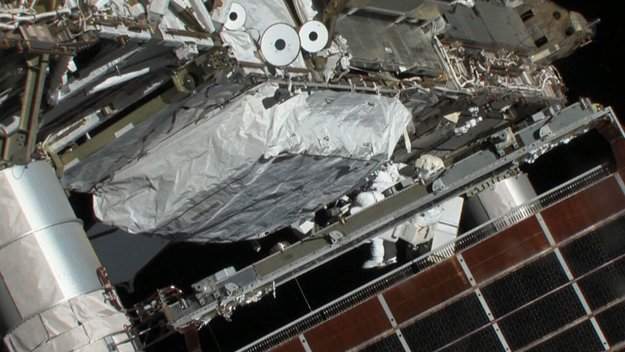
In previous years, leaks in the Russian segment were often handled with internal patches and sealant. The current incident is distinct because it triggered a formal evacuation alert, suggesting that the leak’s location or rate of increase was unpredictable. While the crew was eventually told to return to their duties, the fact that NASA paused repairs indicates a higher level of uncertainty than in previous, more routine leak events.
The contrast in reporting is also notable. Official NASA communications focus on the “update” and the “reversal” of the order, emphasizing stability. In contrast, the analysis surrounding “NASA’s Crew Safety Alert Exposed a Bigger ISS Leak Problem – Gizmodo” frames the event as a symptom of a decaying orbital asset. This highlights the gap between the operational necessity of maintaining a “business as usual” atmosphere for the crew and the technical reality of an aging station.
Potential causes of the pressure loss
Engineers typically look for three primary causes when a leak of this nature occurs:
- Seal Degradation: Rubber gaskets and seals between modules can perish over time due to radiation and temperature cycling.
- Micro-Meteoroid Impact: A tiny piece of space debris traveling at thousands of miles per hour can punch a pinhole through the hull.
- Mechanical Fatigue: The constant expansion and contraction of the station’s metal skin can lead to stress fractures.
The role of international partners in ISS maintenance
The International Space Station is a joint venture between NASA (USA), Roscosmos (Russia), ESA (Europe), JAXA (Japan), and CSA (Canada). Because the station is modular, a leak in one section can affect the entire complex. According to RTE.ie, the coordination between these agencies is critical during a safety alert.
If a leak occurs in a Russian module, NASA must still coordinate the safety of the entire crew, including the American and international astronauts who may be residing in that section. The decision to pause repairs often involves a consensus between ground control in Houston and Moscow. This geopolitical layer adds complexity to the technical challenge; if the two primary partners disagree on the repair method or the risk level, the crew remains in a state of limbo.
The reliance on aging Russian hardware, specifically the Zvezda module, has become a point of contention and concern. As the station nears its planned decommissioning date, the cost and risk of maintaining these legacy systems increase. This makes every new safety alert a reminder of the station’s finite lifespan.
What this means for future orbital habitation
The recurring leak problems on the ISS serve as a case study for the next generation of space stations. Commercial entities and space agencies are now designing stations with more modularity and easier-to-replace seals. The “bigger problem” exposed by this alert is the difficulty of repairing a structure that was not designed for a 30-year lifespan in the harshest environment known to man.
Future designs are expected to incorporate:
- Self-healing materials: Polymers that can automatically seal small punctures.
- Enhanced modular isolation: The ability to completely seal off a module without affecting the atmospheric pressure of the rest of the station.
- Robot-led external repairs: Reducing the need for risky spacewalks to patch external hull breaches.
For more on how NASA is transitioning from the ISS to commercial platforms, see a related explainer on commercial space stations.
Frequently Asked Questions
Was the ISS crew in immediate danger during the safety alert?
According to reports from Sky News and The Guardian, the crew was ordered to take shelter as a precaution. While the alert indicated a potential risk, the subsequent reversal of the order suggests that the leak rate did not reach a critical threshold that would have caused an immediate loss of atmosphere.
Is the air leak on the ISS permanently fixed?
No. Based on NASA’s update and reporting from The Guardian, repair efforts were paused to stabilize the station. The leak remains a concern, but it is currently being managed by ground controllers and the crew through pressure monitoring.
.jpg/560px-International_Durastar_4400_(16279366960).jpg "Is the air leak on the ISS permanently fixed?")
How do astronauts detect leaks in space?
Astronauts and ground controllers use several methods, including monitoring the overall station pressure, using ultrasonic leak detectors that “hear” the air escaping, and sometimes using specialized sprays that create bubbles when they hit a leak.
Why is the ISS prone to these types of leaks?
The ISS is an aging structure exposed to extreme conditions. According to the analysis of “NASA’s Crew Safety Alert Exposed a Bigger ISS Leak Problem – Gizmodo,” factors include the degradation of seals over decades, impacts from micro-meteoroids, and the general wear and tear of metal fatigue in the vacuum of space.
Could the ISS be forced to evacuate permanently?
While NASA has not indicated this is the current case, a catastrophic leak that cannot be patched would necessitate a permanent evacuation. This is why the crew maintains a constant state of readiness and why return spacecraft are always docked to the station.
