
The global oil market experienced a sharp decline, with prices falling below $90 per barrel amid easing tensions in the Middle East, according to market analyses. Asian stock indices mirrored U.S. market movements, reflecting investor caution as geopolitical risks persisted.
Market Volatility Amid Geopolitical Tensions
Oil prices dipped below $90 per barrel on Friday, marking a significant drop from recent levels. This decline followed reports of reduced fears surrounding conflicts in the Middle East, which had previously driven up energy costs. Traders noted that the easing of regional hostilities contributed to the price correction, though ongoing uncertainties continue to influence market dynamics.
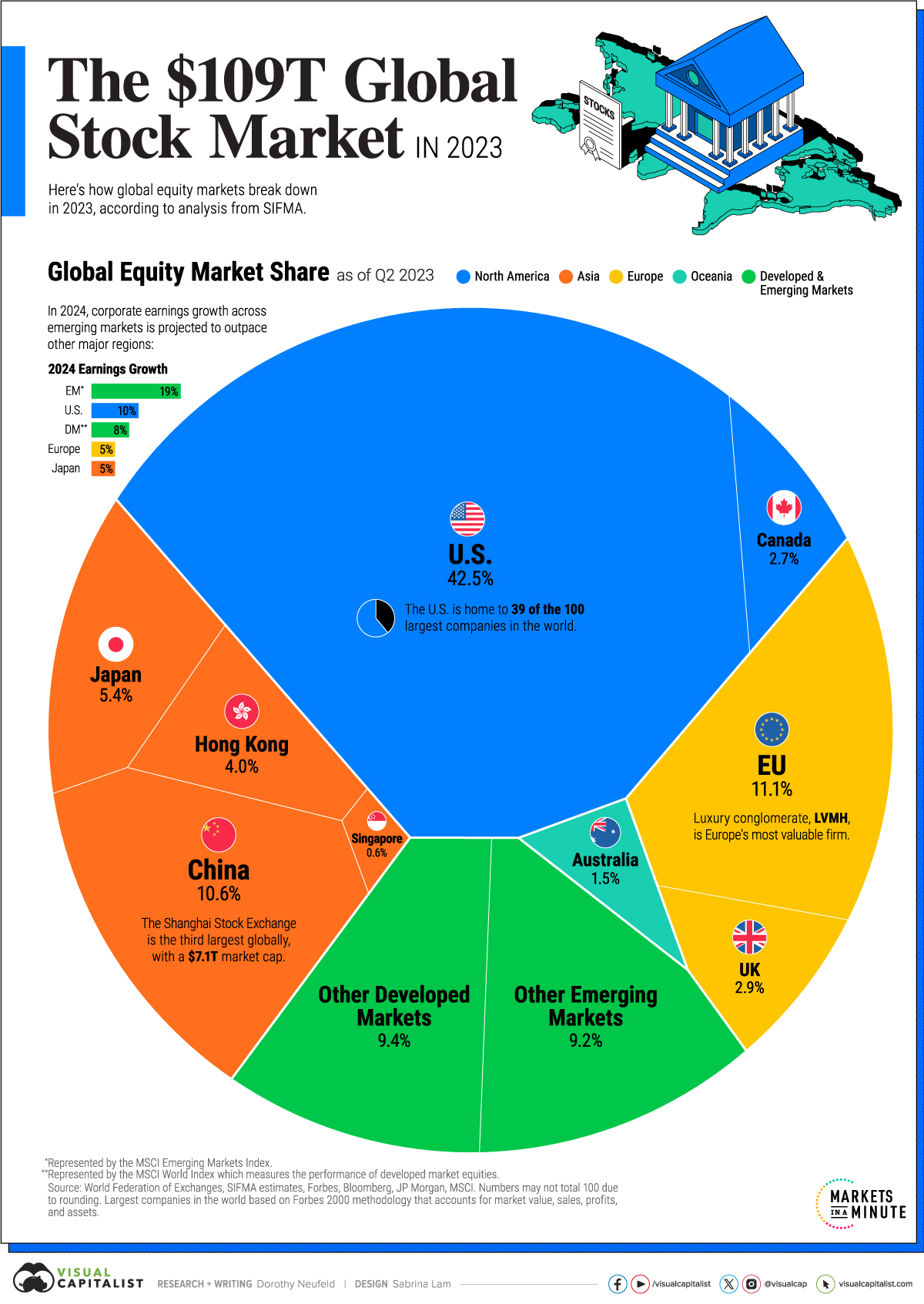
Asian stock markets showed mixed performance, with major indices aligning with Wall Street’s recent trends. Analysts attributed the correlation to global economic interdependence, where developments in one region swiftly impact others. The Tokyo Nikkei and Shanghai Composite both reflected cautious optimism, though gains remained limited compared to earlier in the week.
Oil Prices Reflect Regional Uncertainty
The drop in oil prices has prompted discussions about its broader economic implications. Lower energy costs could alleviate pressure on consumers and businesses, particularly in sectors reliant on transportation and manufacturing. However, producers in oil-exporting nations face challenges as revenue streams shrink, potentially affecting global trade balances.
Market participants are closely monitoring developments in the Middle East, where recent diplomatic efforts have temporarily reduced the risk of escalation. Despite this, analysts caution that the region’s complex geopolitical landscape means volatility remains a constant factor. “The market is reacting to short-term signals, but long-term risks are still present,” a financial analyst noted, citing ongoing conflicts in adjacent areas.
The interplay between energy prices and stock market performance underscores the fragility of global economic stability. As investors navigate these shifts, the focus remains on how policy responses and geopolitical developments will shape future market trends.
