
Use of GLP-1 drugs early in pregnancy should not cause alarm – Yahoo Lifestyle Canada
Recent data suggests that the use of GLP-1 drugs early in pregnancy should not cause alarm, as a study of 168 pregnancies with first-trimester exposure showed no increased risk of miscarriage, stillbirth, or preterm delivery. While clinical guidelines generally recommend discontinuing these medications before conception, these findings provide critical reassurance for women who discover they are pregnant while still using these treatments.
Why the use of GLP-1 drugs early in pregnancy should not cause alarm – Yahoo Lifestyle Canada
For many women, the discovery of an unplanned pregnancy while taking GLP-1 receptor agonists can trigger immediate anxiety. These medications, which have gained massive popularity for both diabetes management and weight loss, come with cautious labeling. However, evidence now indicates that early exposure does not necessarily lead to the major adverse outcomes many fear.
According to MotherToBaby, a study involving 168 pregnancies where GLP-1s were used during the first trimester found no evidence of an increased chance of stillbirth, preterm delivery (defined as birth before 37 weeks), or miscarriage. This is a significant finding because the first trimester is the most critical period for fetal organ development, the window where most medication-related concerns are centered.
The reassurance stems from the fact that these specific, high-risk pregnancy outcomes did not spike among the exposed group. For patients who may have missed the window to stop the medication before conception, this data suggests that the risk profile may be lower than previously assumed, though medical supervision remains mandatory.
What are GLP-1 medications and how do they work?
GLP-1 receptor agonists are a class of medications designed to mimic a naturally occurring hormone in the human body called glucagon-like peptide-1. This hormone plays a central role in regulating how the body handles energy and blood sugar.
According to MotherToBaby, these drugs perform three primary functions:
- Blood Sugar Control: They help the body manage glucose levels more effectively.
- Digestive Regulation: They slow down the speed at which food leaves the stomach.
- Appetite Suppression: By making the user feel full for longer periods, they facilitate weight loss.
Most of these medications are administered via injection, though some oral versions exist. The most widely recognized and studied versions in the context of pregnancy include:
- Semaglutide: Marketed under brand names such as Ozempic®, Wegovy®, and Rybelsus®.
- Liraglutide: Marketed as Victoza®.
“The best-known [GLP-1s] are liraglutide (Victoza®) and semaglutide (Ozempic®, Wegovy®, Rybelsus®). These are also the ones most studied in pregnancy so far,” reports MotherToBaby.
The critical link between obesity and pregnancy risks
To understand why the use of GLP-1 drugs early in pregnancy should not cause alarm – Yahoo Lifestyle Canada, it is necessary to look at the alternative: the risks associated with uncontrolled obesity during pregnancy. Weight management is not merely a cosmetic concern; it is a clinical necessity for fetal and maternal health.
In the United States, approximately 6 in 10 women are classified as overweight or have obesity. This baseline health status significantly alters the risk profile of a pregnancy. According to MotherToBaby, being overweight or having obesity increases the likelihood of several severe pregnancy-related complications.
| Risk Category | Potential Pregnancy Complications |
|---|---|
| Fetal Outcomes | Birth defects, Miscarriage, Stillbirth, Preterm delivery (before 37 weeks) |
| Maternal Health | Gestational diabetes, High blood pressure during pregnancy |
| Delivery & Recovery | Cesarean delivery, Thromboembolic events (blood clots) |
Because of these risks, health providers often emphasize weight loss before pregnancy begins. MotherToBaby notes that even a modest weight reduction—just 5% to 7% of total body weight—prior to conception can lead to improved health outcomes for both the parent and the child.
This creates a complex clinical balancing act: the desire to avoid medication exposure versus the desire to reduce the systemic risks posed by obesity. When GLP-1s are used to achieve that 5-7% weight loss, they can potentially lower the risk of the very complications (like gestational diabetes or high blood pressure) that they are cautioned against during pregnancy.
Understanding the timeline: When to stop GLP-1 drugs
The tension regarding the use of GLP-1 drugs early in pregnancy should not cause alarm – Yahoo Lifestyle Canada often arises from the gap between official product labels and biological reality.
The Label Recommendation
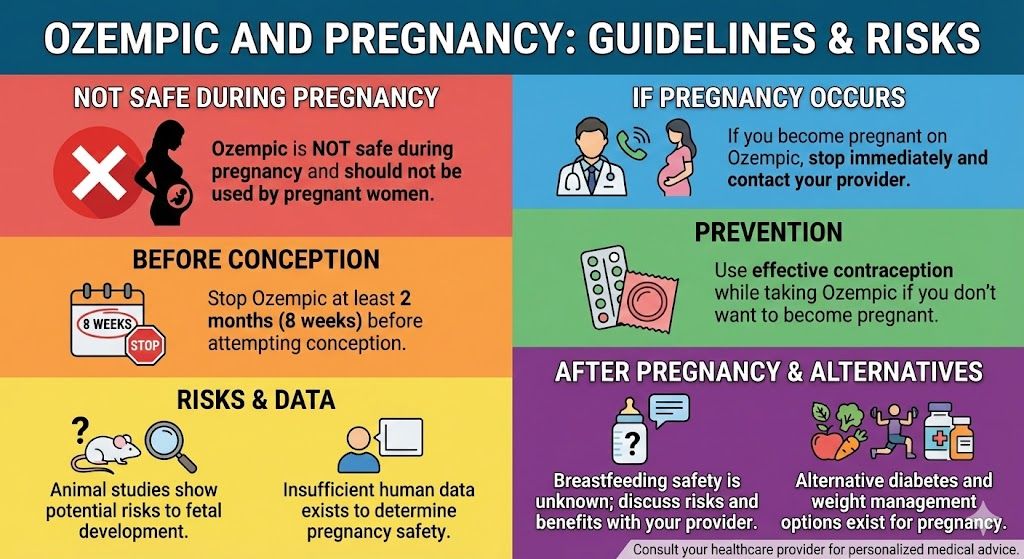
Current product labels for GLP-1 medications recommend that users stop taking the drug at least two months before attempting to become pregnant. This conservative window is intended to ensure the medication is entirely cleared from the system before a fertilized egg implants.
The Biological Clearance Rate
However, the time it takes for the body to process and eliminate these drugs varies. According to MotherToBaby, in healthy, non-pregnant women, it takes an average of six weeks for most of the GLP-1 medication to leave the body.
This discrepancy means that many women may still have traces of the medication in their system during the earliest days of pregnancy, even if they stopped shortly before conceiving. The finding that first-trimester exposure in 168 pregnancies did not correlate with increased miscarriage or stillbirth rates is therefore vital for those who fall into this “clearance window.”
The Challenge of Weight Regain
One of the most difficult aspects of following the “stop two months early” rule is the biological rebound. Stopping GLP-1 medications can lead to weight regain. For a woman who has used these drugs to mitigate the risks of obesity, regaining weight immediately before pregnancy can feel counterproductive and frustrating, adding psychological stress to the planning process.
Why this news matters for maternal health strategy
The shift in understanding regarding GLP-1s reflects a broader move toward evidence-based reassurance in maternal medicine. For years, the default stance on many medications during pregnancy has been extreme caution due to a lack of data. As more data emerges, the narrative is shifting from “avoid at all costs” to “manage the risks.”
The fact that early exposure to semaglutide or liraglutide did not show an increased chance of preterm delivery or miscarriage allows doctors to provide more nuanced counseling. Instead of causing panic in a patient who discovers a pregnancy while on Ozempic or Wegovy, providers can point to the study of 168 pregnancies to lower anxiety while still transitioning the patient to safer, pregnancy-approved glucose or weight management strategies.
It also highlights the importance of the “pre-conception window.” While early exposure may not be catastrophic, the goal remains to enter pregnancy at the healthiest possible weight. The use of GLP-1s as a tool to reach that 5-7% weight loss threshold before pregnancy remains a viable and beneficial strategy, provided the discontinuation timeline is managed with a healthcare provider.
For those interested in further reading on managing health before conception, a related explainer on pre-conception nutrition and health may provide additional guidance.
Frequently Asked Questions
What happens if I found out I’m pregnant while taking Ozempic or Wegovy?
According to data cited by MotherToBaby, a study of 168 pregnancies with first-trimester exposure to GLP-1s did not show an increased risk of stillbirth, miscarriage, or preterm delivery. While you should contact your healthcare provider immediately to discuss stopping the medication, this data suggests that early exposure should not cause immediate alarm.
Why do labels say to stop GLP-1s two months before pregnancy?
The two-month recommendation is a precautionary measure to ensure the drug is fully cleared from the body. While the average clearance time in non-pregnant women is about six weeks, the label provides a wider margin of safety to account for individual biological differences.
Can GLP-1 drugs actually help a pregnancy by reducing weight first?
Yes, in the sense that reducing body weight by 5-7% before pregnancy can lower the risk of complications such as gestational diabetes, high blood pressure, and preterm delivery. The benefit comes from the weight loss achieved before conception, not from taking the medication during the pregnancy itself.
What are the risks of obesity during pregnancy if I don’t use these drugs?
Obesity increases the chance of several complications, including thromboembolic events (blood clots), C-section deliveries, stillbirth, and birth defects. This is why managing weight before pregnancy is considered a critical part of a healthy pregnancy plan.
Which GLP-1 drugs have been studied the most in pregnancy?
The most studied medications in this class regarding pregnancy are semaglutide (found in Ozempic®, Wegovy®, and Rybelsus®) and liraglutide (found in Victoza®), according to MotherToBaby.
