
IDR/USD: Indonesia Delivers Off-Cycle Rate Hike to Temper Market Rout – Bloomberg
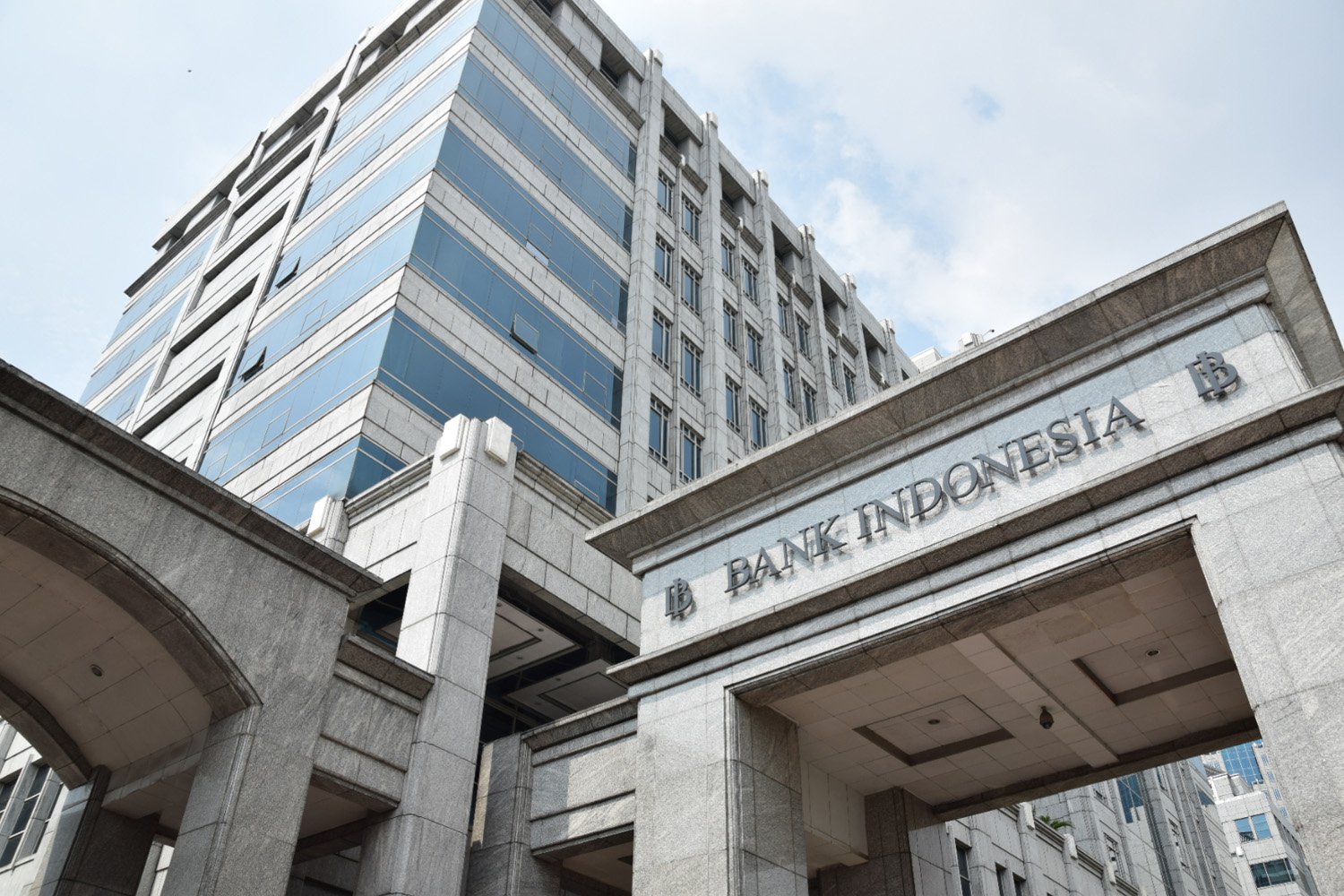
Bank Indonesia implemented an unexpected off-cycle interest rate hike to stabilize the Indonesian rupiah (IDR) and halt a broad market sell-off. According to reports from Bloomberg and the Wall Street Journal, the central bank acted to stem currency “bleeding” and prevent further declines in domestic bonds and stocks.
Why did Bank Indonesia implement an off-cycle rate hike?
Bank Indonesia (BI) raised interest rates outside of its scheduled meeting cycle to combat a rapid decline in the value of the rupiah against the U.S. dollar. According to the Wall Street Journal, the move was designed specifically to “stem rupiah bleeding,” suggesting that the currency’s depreciation had reached a critical threshold that required immediate intervention.
The decision comes as a direct response to a systemic decline in Indonesian financial assets. Yahoo Finance Singapore reports that a “market rout” had deepened, with investors selling off not only the currency but also Indonesian government bonds and equities. By raising rates, the central bank aims to make rupiah-denominated assets more attractive to foreign investors, thereby increasing demand for the currency and stabilizing its exchange rate.
Key drivers behind the decision include:
- Currency Volatility: A sharp drop in the IDR/USD exchange rate that threatened economic stability.
- Asset Sell-off: Simultaneous declines in the bond and stock markets, according to Yahoo Finance.
- Market Sentiment: The need to signal the central bank’s commitment to currency stability to prevent a panic-driven rout.
How did the Indonesian market react to the rate increase?
The immediate reaction to the surprise policy shift was a recovery in the local currency. According to thestar.com.my, the Indonesian rupiah strengthened following the announcement of the surprise BI rate hike. This indicates that the market responded positively to the central bank’s willingness to take aggressive, non-scheduled action to protect the currency.
Before the hike, the market was characterized by high volatility. Yahoo Finance Singapore noted that the rout had been widening, affecting multiple asset classes. The rate hike acted as a circuit breaker for this trend by altering the yield calculus for investors holding Indonesian assets.
| Asset Class | Pre-Hike Trend | Post-Hike Reaction | Source |
|---|---|---|---|
| Indonesian Rupiah (IDR) | Sinking/Bleeding | Strengthened | CNA / The Star |
| Government Bonds | Sliding | Stabilizing | Yahoo Finance |
| Equities (Stocks) | Sliding | Stabilizing | Yahoo Finance |
What caused the market rout leading up to the BI decision?
The “market rout” described by Bloomberg and Yahoo Finance involves a coordinated exit by investors from Indonesian assets. While the specific external catalysts are often tied to global macroeconomic shifts—such as U.S. Federal Reserve policy or changes in emerging market risk appetite—the internal result was a synchronized slide in bonds, currency, and stocks.
/RUPIAH-WALLST-IHSG-26112025.jpg "What caused the market rout leading up to the BI decision?")
CNA reports that the rupiah was “sinking,” a phrasing that suggests a loss of support levels that typically hold the currency in place. When a currency falls sharply, it often triggers a feedback loop: investors sell bonds to avoid currency losses, which further weakens the currency, leading to more bond sales. Bank Indonesia’s off-cycle hike was intended to break this loop by providing a higher nominal yield to offset the currency risk.
“Bank Indonesia Surprises With Rate Hike to Stem Rupiah Bleeding” — The Wall Street Journal
How do different news outlets characterize the BI intervention?
Analysis of the reporting shows a slight variation in how the urgency of the situation was framed. Bloomberg characterizes the event as a move to “temper market rout,” focusing on the broader systemic instability across various financial instruments. In contrast, the Wall Street Journal uses more visceral language, describing the need to “stem rupiah bleeding,” which places the primary emphasis on the currency’s rapid devaluation.
CNA frames the action as a move to “prop up” the sinking rupiah, implying a supportive role for the central bank. Meanwhile, thestar.com.my focuses on the outcome, reporting that the currency “strengthens” as a direct result of the surprise. These perspectives collectively show that while the rupiah was the primary target, the broader goal was to stop a contagion effect moving from the currency market into the bond and stock markets.
Comparative Framing of the Event
- Systemic View (Bloomberg/Yahoo Finance): Focuses on the “rout” across bonds, stocks, and currency.
- Currency View (WSJ/CNA): Focuses on “bleeding” and “sinking” of the IDR specifically.
- Outcome View (The Star): Focuses on the immediate strengthening of the IDR.
What are the implications of an off-cycle rate hike?
An off-cycle rate hike is a rare tool used by central banks when market conditions deteriorate faster than the standard meeting schedule can address. For Indonesia, this move signals that Bank Indonesia views currency stability as a higher priority than the potential negative impact of higher borrowing costs on domestic economic growth.
The primary implications include:
- Increased Borrowing Costs: Higher rates typically lead to more expensive loans for businesses and consumers within Indonesia.
- Attracting Capital: By increasing the yield on rupiah-denominated assets, BI encourages foreign capital to flow back into the country, which provides the necessary demand to support the IDR/USD exchange rate.
- Inflation Control: A weaker rupiah makes imports more expensive, which drives up domestic inflation. By strengthening the currency, BI is also indirectly fighting imported inflation.
Investors typically view surprise hikes as a sign of desperation or extreme urgency, but if the move successfully stabilizes the currency, it can restore confidence in the central bank’s resolve. This is evident in the report from thestar.com.my, which noted the immediate strengthening of the rupiah.
For those tracking the emerging market currency trends, this event serves as a case study in how central banks manage the “impossible trinity”—the attempt to maintain a stable exchange rate, an independent monetary policy, and open capital flows simultaneously.
Common misconceptions about surprise rate hikes
One common misconception is that rate hikes are always designed to fight inflation. While that is the standard mandate, this specific move by Bank Indonesia was primarily a currency defense mechanism. The goal was not necessarily to cool an overheating economy, but to prevent a currency collapse that could lead to financial instability.
Another misunderstanding is that a rate hike automatically fixes a currency. A hike only works if the increase in yield outweighs the perceived risk of holding that currency. In this case, the “surprise” element added a psychological boost, signaling to the market that the central bank would do “whatever it takes” to stop the rupiah from sinking, as reported by CNA.
Frequently Asked Questions
Why did Bank Indonesia raise rates off-cycle?
Bank Indonesia raised rates off-cycle to stop the rupiah from rapidly losing value (described by the Wall Street Journal as “bleeding”) and to halt a broader market rout that was dragging down Indonesian bonds and stocks, according to Bloomberg and Yahoo Finance.
Did the rupiah strengthen after the announcement?
Yes. According to thestar.com.my, the Indonesian rupiah strengthened following the surprise rate hike, as the move made rupiah-denominated assets more attractive to investors.
What other assets were affected by the market rout?
Beyond the currency, Yahoo Finance Singapore reported that Indonesian government bonds and the stock market also experienced significant slides during the rout.
What is the difference between a scheduled and off-cycle rate hike?
A scheduled hike occurs during a regular monetary policy meeting. An off-cycle hike is an emergency measure taken between scheduled meetings to address immediate crises, such as a currency collapse or extreme market volatility.
Who was most affected by this decision?
Foreign investors holding Indonesian assets, domestic borrowers who will face higher interest rates, and importers who benefit from a stronger rupiah were the primary stakeholders affected by this policy shift.
