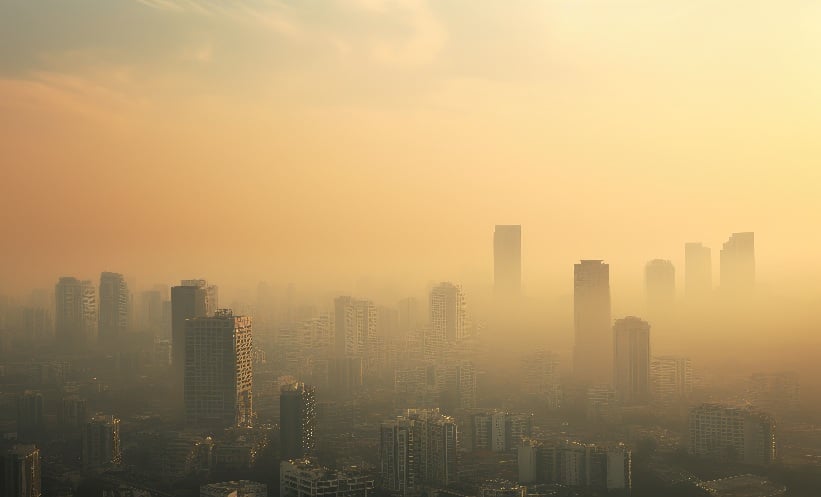
Air Pollution Linked to 60% Higher Aortic Stenosis Risk – EMJ: New Findings on Heart Valve Health
Long-term exposure to air pollution increases the risk of developing aortic stenosis by 60%, according to research published by the European Medical Journal (EMJ). The study identifies fine particulate matter (PM2.5) as a primary driver of valve calcification, suggesting that environmental quality directly impacts the structural integrity of the heart’s aortic valve.
How Air Pollution Increases Aortic Stenosis Risk
The research detailed in the European Medical Journal (EMJ) establishes a significant correlation between the inhalation of ambient air pollutants and the development of aortic stenosis (AS). Aortic stenosis occurs when the aortic valve narrows, restricting blood flow from the left ventricle to the aorta. According to the EMJ findings, individuals exposed to high levels of pollution face a 60% higher likelihood of developing this condition compared to those in cleaner environments.
The primary culprit identified is PM2.5—fine particulate matter with a diameter of 2.5 micrometers or less. These particles are small enough to penetrate deep into the lung tissue and enter the bloodstream. Once in the systemic circulation, they trigger a cascade of biological responses that target the cardiovascular system. The EMJ report indicates that these pollutants promote chronic inflammation and oxidative stress, which are precursors to the calcification of heart valves.
Calcification is essentially the buildup of calcium deposits on the valve leaflets. In a healthy heart, these leaflets open and close fluidly. However, pollution-induced inflammation causes the valve to stiffen. Over time, this stiffness reduces the valve’s opening area, forcing the heart to work harder to pump blood, which eventually leads to heart failure if left untreated.
| Risk Factor | Impact on Aortic Valve | Relation to EMJ Findings |
|---|---|---|
| PM2.5 Exposure | Triggers systemic inflammation and oxidative stress | Linked to 60% increase in AS risk |
| Age/Genetics | Natural wear and tear; hereditary predisposition | Traditional risk factors, now compounded by pollution |
| Hypertension | Increased pressure on the valve leaflets | Common co-morbidity in polluted urban areas |
| Hyperlipidemia | Lipid deposits contributing to calcification | Synergistic effect with particulate matter |
The Biological Mechanism: From Lungs to Heart Valve
The link between air quality and heart valve failure is not immediate but cumulative. According to the EMJ, the process begins with the inhalation of pollutants. When PM2.5 enters the alveoli of the lungs, it triggers a local immune response. Macrophages attempt to clear these particles, releasing pro-inflammatory cytokines into the blood.
These cytokines travel throughout the body, creating a state of low-grade systemic inflammation. This inflammation affects the endothelium—the inner lining of the blood vessels and heart valves. The EMJ research suggests that the aortic valve, which is constantly subjected to high-pressure blood flow, is particularly vulnerable to this inflammatory environment.
The process mirrors the development of atherosclerosis (hardening of the arteries). The inflammation attracts lipids and calcium to the valve leaflets. As these deposits grow, the valve loses its elasticity. This transition from a flexible tissue to a rigid, calcified structure is what defines the progression of aortic stenosis.
The Role of Oxidative Stress
Oxidative stress occurs when there is an imbalance between free radicals and antioxidants in the body. The EMJ report highlights that air pollutants increase the production of reactive oxygen species (ROS). These unstable molecules damage cellular proteins and DNA within the valve cells (valvular interstitial cells). When these cells are damaged, they may transform into osteoblast-like cells, which actively deposit bone-like calcium into the valve tissue.
Who is Most at Risk?
While the 60% risk increase is a broad statistical finding, certain populations are more susceptible to the effects of air pollution on heart health. The EMJ data indicates that the risk is not distributed evenly across all demographics.
- Urban Residents: People living in densely populated cities with high traffic volume and industrial activity face the highest concentrations of PM2.5 and nitrogen dioxide (NO2).
- The Elderly: Since aortic stenosis typically manifests in older age, the cumulative effect of decades of pollution exposure makes the elderly the primary victim group.
- Individuals with Pre-existing Conditions: Those already suffering from hypertension, diabetes, or chronic obstructive pulmonary disease (COPD) show a more rapid progression of valve calcification when exposed to poor air quality.
- Socioeconomically Disadvantaged Groups: These populations often live closer to highways or industrial zones, increasing their daily “dose” of pollutants.
“The association between long-term exposure to air pollution and the risk of aortic stenosis suggests that environmental factors play a more critical role in valve degeneration than previously recognized.” — Findings attributed to the EMJ research.
Comparing Aortic Stenosis to Other Pollution-Linked Heart Issues
For years, medical consensus has linked air pollution primarily to myocardial infarction (heart attack) and stroke. These conditions are usually the result of acute events—a clot forming in a narrowed artery. Aortic stenosis is different; it is a chronic, degenerative structural failure.
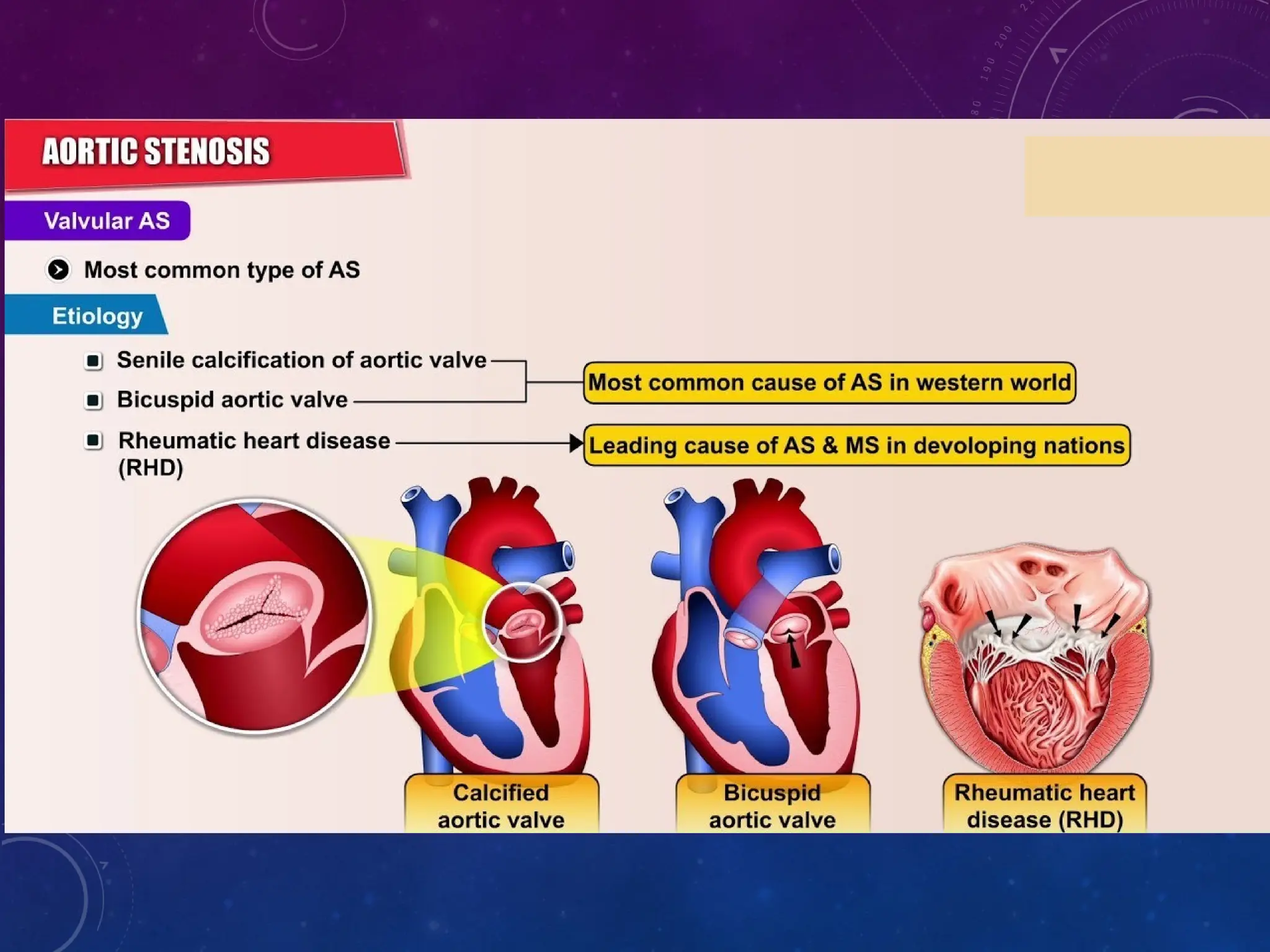
Unlike a heart attack, which can happen suddenly, the pollution-linked AS described by the EMJ develops over years. This makes it a “silent” threat. While a patient might feel the effects of pollution through asthma or shortness of breath, the calcification of the aortic valve often goes unnoticed until the narrowing is severe.
Comparing the two shows a shift in how environmental health is viewed. While pollution was once seen as a trigger for acute cardiac events, the EMJ findings suggest it is also a driver of permanent structural changes to the heart’s anatomy.
Clinical Implications and the Need for Early Screening
The discovery that air pollution is linked to a 60% higher risk of aortic stenosis necessitates a change in clinical approach. Physicians may need to incorporate environmental history into cardiovascular risk assessments. If a patient has spent decades living in a highly polluted industrial city, they may require more frequent echocardiograms to monitor valve thickness and flow velocity.
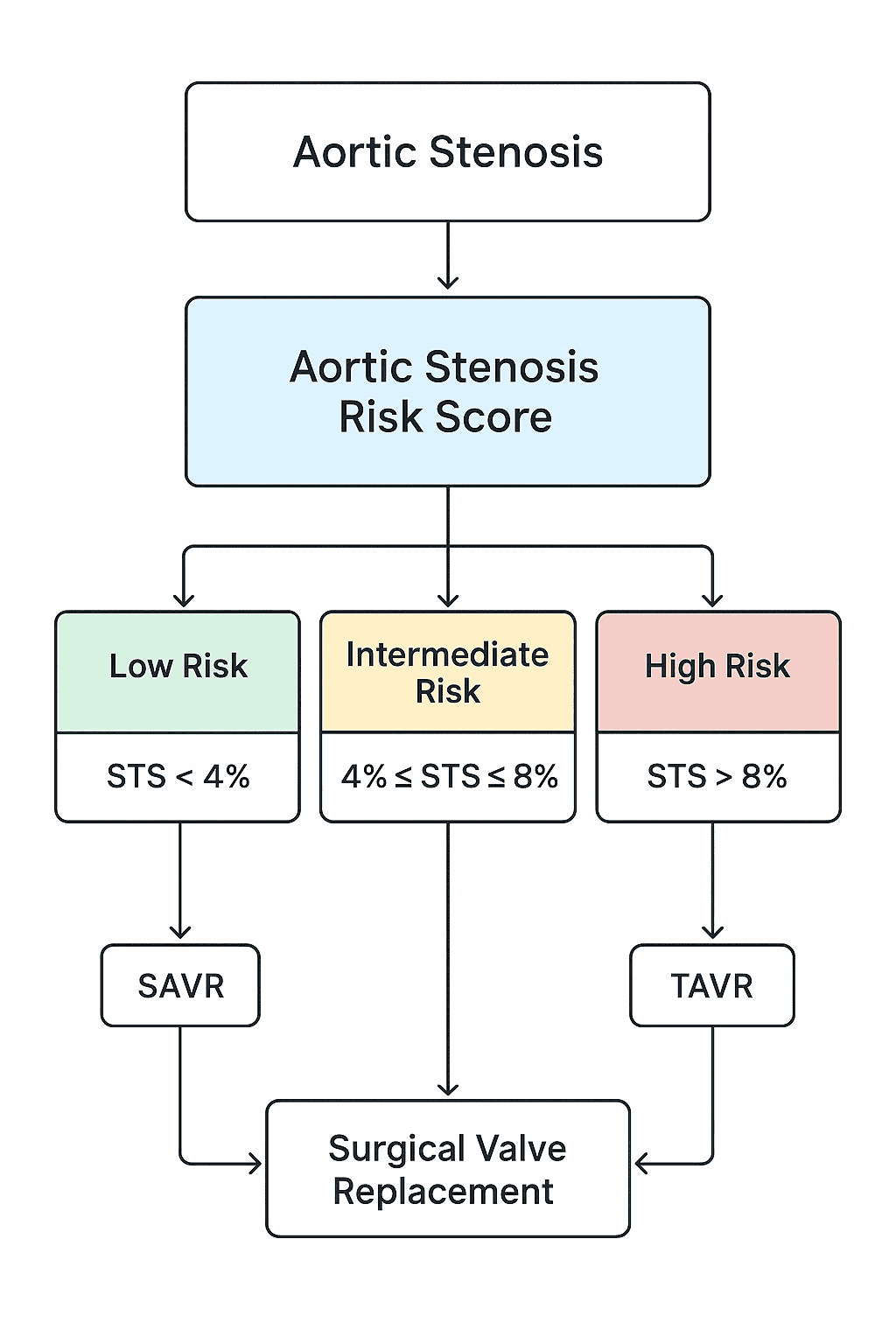
Early detection is critical because aortic stenosis is often asymptomatic in its early stages. By the time a patient experiences chest pain (angina), fainting (syncope), or shortness of breath (dyspnea), the valve is usually severely narrowed. At this stage, the only effective treatments are surgical interventions, such as:
- Surgical Aortic Valve Replacement (SAVR): An open-heart surgery to replace the damaged valve with a mechanical or biological one.
- Transcatheter Aortic Valve Replacement (TAVR): A less invasive procedure where a new valve is inserted via a catheter, typically through the femoral artery.
The EMJ research implies that by reducing pollution levels, the incidence of these high-cost, high-risk surgeries could potentially decrease over the long term.
Public Health and Policy Consequences
The link between PM2.5 and heart valve failure provides a strong medical argument for stricter air quality standards. Most governments follow guidelines set by the World Health Organization (WHO), but enforcement varies. The EMJ findings suggest that current “acceptable” levels of pollution may still be high enough to cause structural heart damage.
To mitigate this risk, public health experts suggest several interventions:
- Urban Planning: Creating “green buffers” between residential areas and heavy traffic corridors to filter particulate matter.
- Transition to Clean Energy: Reducing reliance on coal and diesel, which are primary sources of PM2.5.
- Indoor Air Filtration: Using HEPA filters in homes and workplaces in high-pollution zones to reduce the daily load of particulates on the cardiovascular system.
- Public Awareness: Encouraging high-risk individuals to avoid outdoor exercise during “high pollution” alert days.
For more information on how environmental factors impact cardiovascular health, see our related explainer on urban pollutants and heart disease.
Common Misconceptions Regarding Aortic Stenosis
Many people believe that heart valve issues are purely a matter of “bad luck” or aging. However, the EMJ report clarifies that external triggers play a significant role. Here are a few corrections to common myths:
Myth: Aortic stenosis only affects people with a family history of heart disease.
Fact: While genetics matter, the EMJ study shows that environmental factors like air pollution can increase risk by 60%, regardless of family history.
Myth: If you don’t smoke, your heart valves are safe from pollution.
Fact: Smoking exacerbates the problem, but PM2.5 enters the bloodstream through the lungs regardless of smoking status, triggering the same inflammatory pathways.
Myth: Air pollution only affects the lungs.
Fact: The respiratory system is the entry point, but the resulting systemic inflammation affects the entire vascular system, including the heart valves and the brain.
FAQ: Air Pollution and Aortic Stenosis
What is the specific link between air pollution and aortic stenosis?
According to the EMJ, long-term exposure to PM2.5 (fine particulate matter) triggers systemic inflammation and oxidative stress. This process leads to the calcification of the aortic valve leaflets, narrowing the valve and increasing the risk of aortic stenosis by 60%.
What are the symptoms of aortic stenosis that I should watch for?
Common symptoms include shortness of breath during physical activity, chest pain (angina), dizziness or fainting, and a feeling of fatigue. Because it develops slowly, these symptoms may be mistaken for general aging.
Can reducing my exposure to pollution reverse valve calcification?
Current medical evidence suggests that once a valve is calcified, the process cannot be reversed with medication or air filtration. However, reducing pollution exposure can slow the progression of the disease and prevent new calcification from occurring.
Is TAVR the only treatment for pollution-linked aortic stenosis?
TAVR is a common, minimally invasive option, but SAVR (open-heart surgery) is still used depending on the patient’s age and overall health. The choice of treatment depends on the severity of the stenosis and the patient’s surgical risk.
How can I protect my heart from PM2.5 pollution?
You can reduce your risk by using HEPA air purifiers indoors, wearing N95 masks in highly polluted areas, monitoring local air quality indices (AQI), and advocating for cleaner urban transport and energy policies.
The findings from the European Medical Journal underscore a critical intersection between environmental policy and cardiovascular medicine. As urban populations grow and air quality fluctuates, the 60% increase in aortic stenosis risk serves as a warning that the air we breathe is a primary determinant of our heart’s structural health. Monitoring and mitigation are no longer just about lung health; they are essential for the longevity of the heart itself.
